How to Visit the Alhambra Without Queuing for Hours
Skip the ticket chaos. A practical, opinionated guide to the Alhambra, free tapas bars and the Albaicín — Granada done slowly and done right.
Three hours in a queue outside the Alhambra in July. That is a real thing that happens to real people, and it is entirely avoidable. Granada rewards anyone who turns up with a loose plan and a bit of patience — and punishes those who don't book ahead or who show up at midday expecting a walk-in ticket. Get the logistics right and the rest of the city opens up: free tapas with every drink, a medieval Moorish quarter you can genuinely get lost in, and one of the most extraordinary palace complexes in Europe without the panicked shuffle of a group tour.
The short answer on how to visit the Alhambra without queuing: book your timed-entry ticket on the official Patronato website (alhambra.org) at least two to three weeks in advance, choose either the morning slot (8:30am–14:00) or the afternoon slot (14:00–20:00), and go straight to the entrance with your QR code. Do not buy from resellers. Do not arrive hoping for same-day availability. With a pre-booked ticket, you walk past everyone standing at the box office and go directly through the gates.
Booking the Alhambra Ticket: What Nobody Tells You
The official ticket site sells out fast — often within minutes of new dates going live, which happens roughly three months in advance. Set a reminder. The general admission ticket (around €19 per adult as of 2026, though check the official site for the latest price) covers the Nasrid Palaces, the Alcazabia and the Generalife gardens. The Nasrid Palaces section has a specific 30-minute entry window printed on your ticket, and they enforce it. Miss it by twenty minutes and you lose the palaces entirely, even if you're already inside the complex.
That 30-minute window is the bit that catches people. Most visitors book the afternoon slot and then dawdle through the Generalife first, lose track of time among the water channels and cypress trees, and arrive at the Nasrid Palaces flustered. Go to the palaces first. Everything else can be seen in any order.
If tickets are fully booked — which happens constantly in summer and around Easter — there are a few legitimate options. The Alhambra Experience guided tours book their own allocation of tickets and often have availability when the general site does not. You pay a premium (roughly €50–65 per person), but if you've flown to Granada specifically for this, it's worth it. Some hotels, particularly the parador inside the complex itself, can occasionally assist guests. Honestly though, the parador (Parador de Granada) is extraordinary to stay in if your budget allows — waking up inside the Alhambra grounds before the day visitors arrive is a different experience entirely.
One genuinely useful tip: the Alhambra opens at 8:30am. The first hour is quieter than any other time of day. By 10:30am the coach groups have arrived and the Nasrid Palaces feel crowded. By 11:30am in July, it is relentless. Book the earliest morning slot you can get.
The Albaicín: How to Actually Walk It
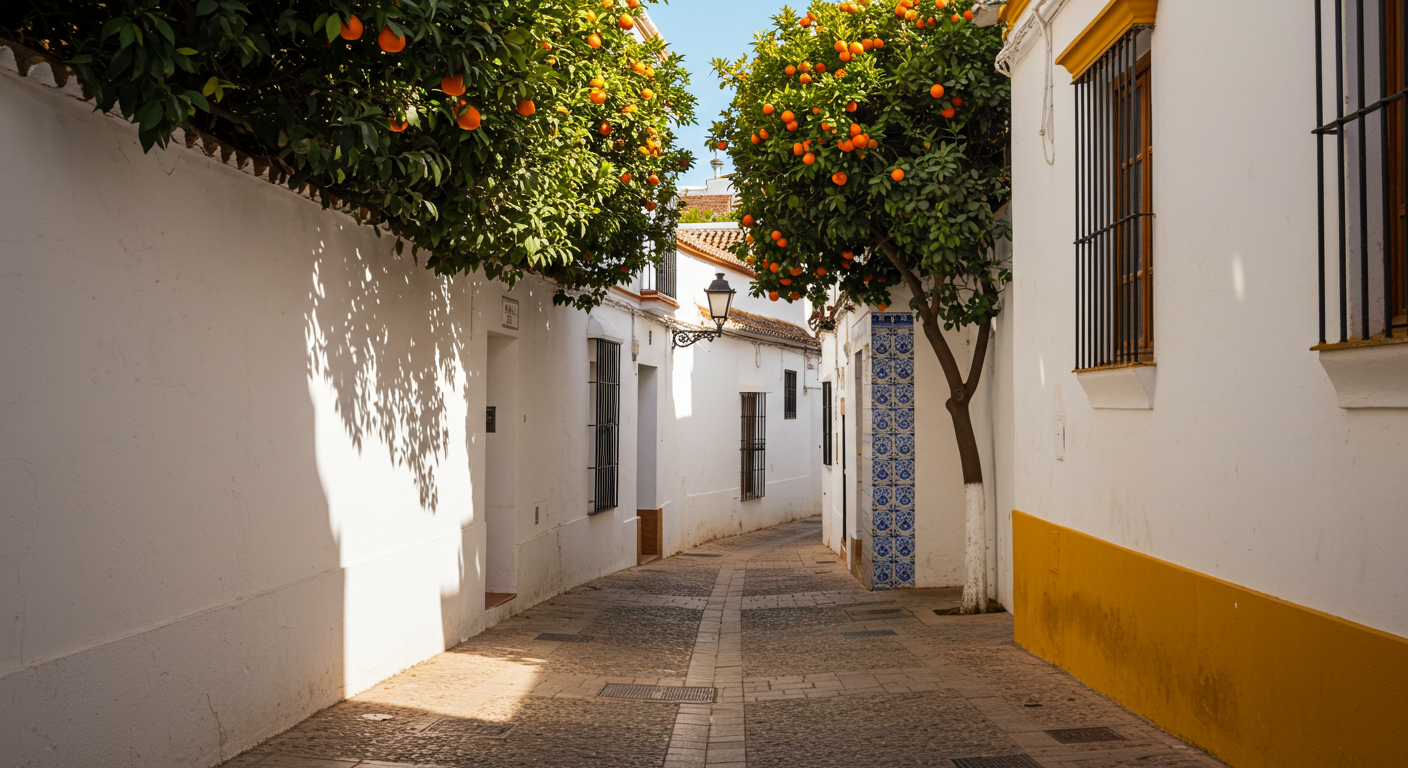
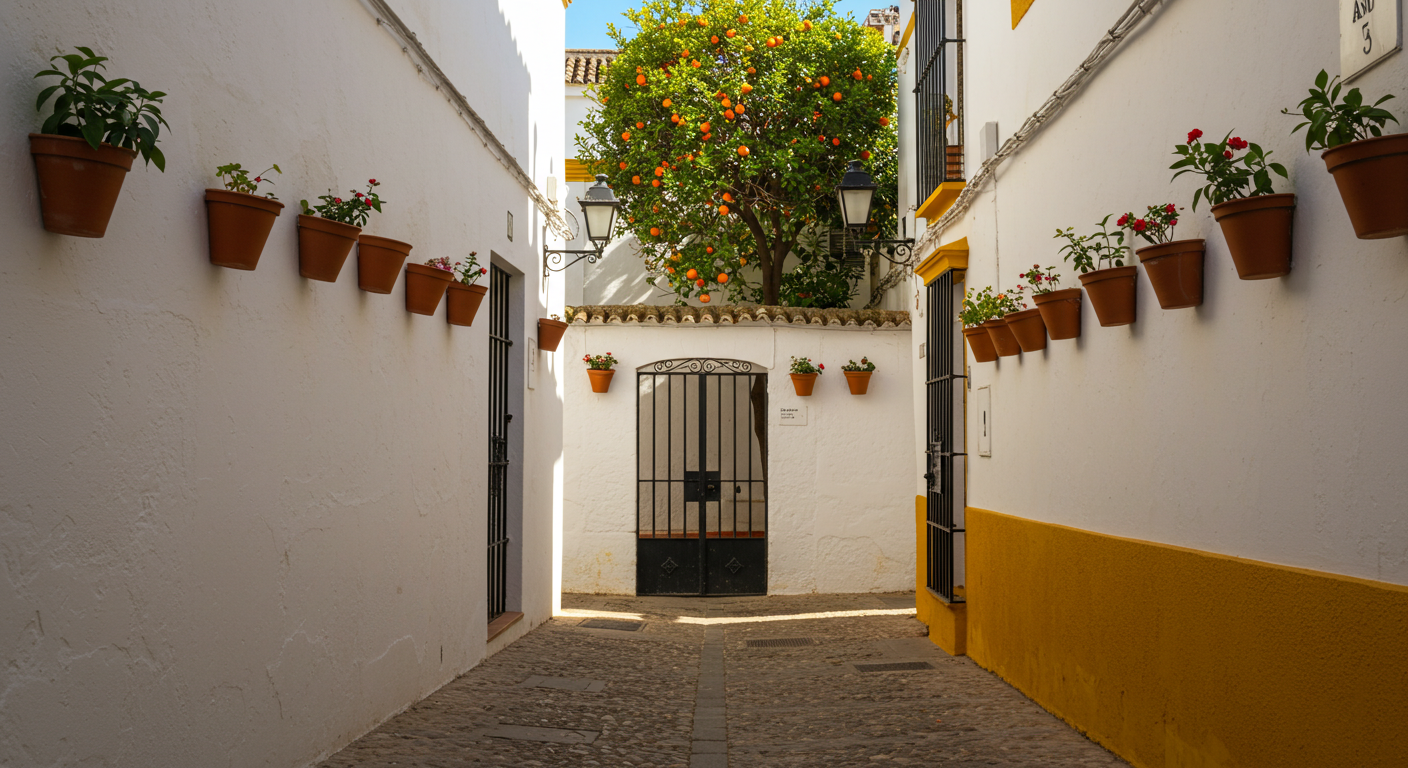
The Albaicín is Granada's old Moorish quarter, a UNESCO-listed tangle of whitewashed houses, carmenes (those walled garden villas), cobbled lanes and steep staircases that climb the hill facing the Alhambra. It is also, in parts, extremely touristy. The distinction matters.
The lower Albaicín — along Calle Calderería Nueva, which is lined with Moroccan tea houses and souvenir shops — is fine for a mint tea and a browse, but it's not where you'll find the neighbourhood's character. Walk uphill. The further you go from the cathedral district, the quieter it gets. The area around Plaza Larga and the old Puerta Nueva is where locals actually shop and have coffee. There's a small market most mornings. The lanes around Calle Agua and up towards the church of San Nicolás feel genuinely residential.
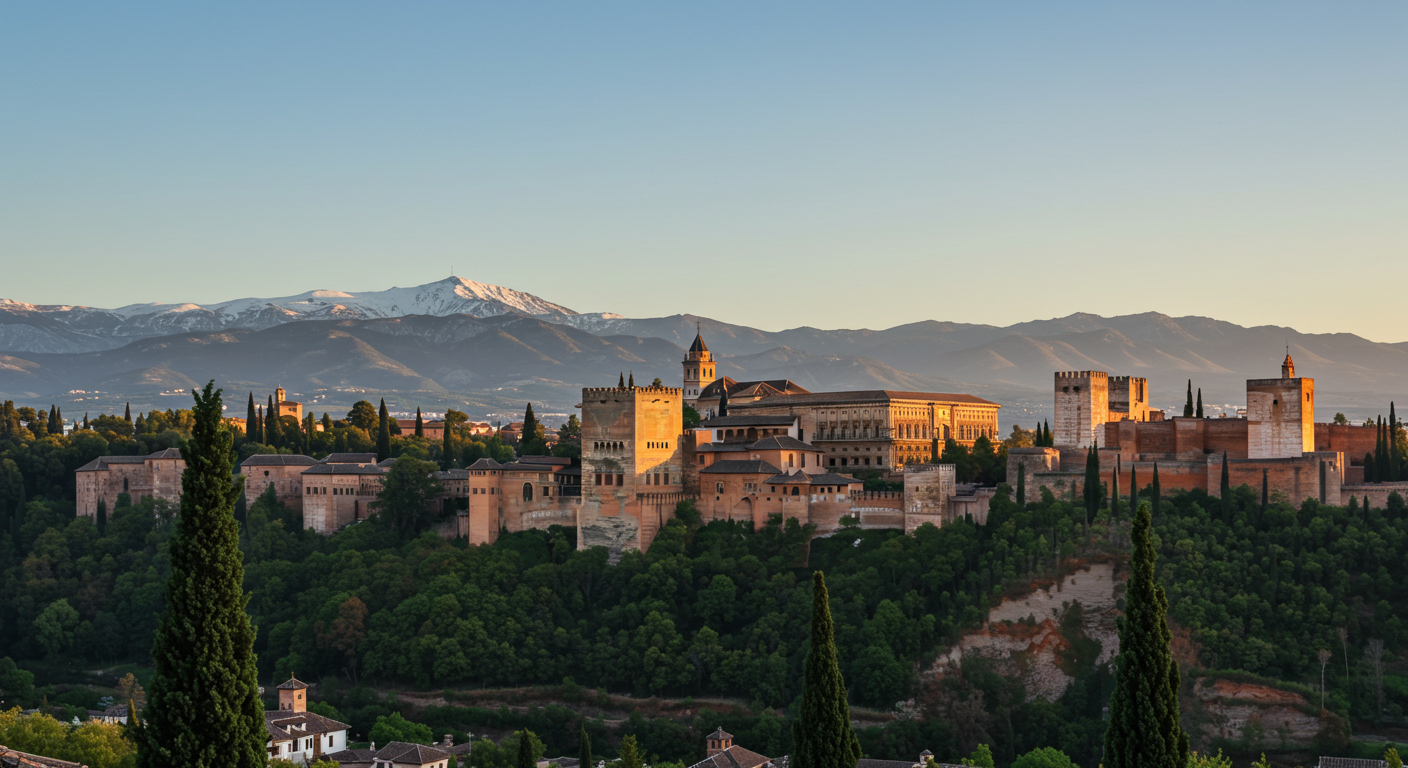
The mirador of San Nicolás is famous for its view of the Alhambra at sunset and yes, it's worth it — but go at sunrise instead if you can. At sunset in summer there are hundreds of people, often a flamenco busker or two, and a scrum for the best viewpoint. At 7am you may have it almost to yourself, the Alhambra catching the early light against the Sierra Nevada still dusted with snow. That view, in that quiet, is Granada at its best.
For a deeper look at pacing yourself through the city over several days rather than a single breathless visit, the slow travel guide to Granada on this site covers the rhythms worth understanding.
Free Tapas: The Real System
Granada is one of the last cities in Spain where ordering a drink gets you a free tapa. Not a few olives. An actual small plate of food — patatas bravas, a montadito, a little dish of migas or rabo de toro. Order two drinks and you've essentially eaten lunch.
The system works like this: you sit down, you order a caña (small beer, around €1.80–2.20) or a glass of house wine, and a tapa arrives. You don't choose it in most traditional bars — it's the chef's decision. Order another drink and you get another tapa, usually different. The quality varies enormously.
The bars around the cathedral and Bib-Rambla plaza serve tapas but they're aimed at tourists and the food is mediocre. The better free tapa culture survives in a few specific areas. Calle Navas, just south of Plaza Nueva, has a run of traditional bars where the tapas are generous — Bar Los Diamantes is reliable for fried fish, always packed, always good. The Realejo neighbourhood (the old Jewish quarter, south of the cathedral) has a cluster of bars on and around Calle Campo del Príncipe that locals actually use. El Bar de Fede and similar places there are doing proper food.
The Albaicín itself has fewer free tapa bars and more sit-down restaurants, many of which have dropped the free tapa tradition entirely in favour of upscale plates. That's not a criticism — some of the cooking up there is excellent — but don't assume the whole city works the same way.
For context on how Granada's food culture compares to the pintxos world of the north, the honest guide to pintxos and fine dining in San Sebastián is a useful counterpoint — two very different food cities, both worth understanding on their own terms.
A Practical Day-by-Day Shape for Granada
Granada deserves at least three nights. Two is survivable but rushed. Here's roughly how I'd structure it.
Day one — arrive, walk the lower city, find your tapas legs. Plaza Nueva is the natural hub; the bars here are touristy but useful for orientation. Walk up into the Albaicín in the late afternoon, find a terrace, have a drink. Eat late — 9pm is normal, 10pm is fine.
Day two — Alhambra, using your pre-booked ticket. Nasrid Palaces first, then Alcazabia, then Generalife. Budget four to five hours. Don't try to do anything else of significance that afternoon; you'll be saturated. Evening tapas in the Realejo.
Day three — morning at the San Nicolás mirador, slow walk through the upper Albaicín, the Sacromonte cave district if you're curious (the cave museum is genuinely interesting; the touristy flamenco shows in caves are hit and miss — ask your accommodation for an honest recommendation rather than buying off the street). Afternoon: the cathedral and the Royal Chapel, where the tombs of Ferdinand and Isabella are kept. It's quieter than the Alhambra and worth an hour.
Getting There and Getting Around
Granada has an airport but it's small, with limited routes. Most people fly into Málaga and take the bus — ALSA runs a direct service from Málaga airport to Granada bus station, roughly 1h45m, and tickets cost around €12–15 each way. Book ahead in summer. The train from Málaga involves a change and takes longer; the bus is the better option.
Within Granada, you walk almost everywhere in the centre. The Albaicín is steep and the lanes are too narrow for anything other than feet. There's a minibus — the C1 and C2 routes — that winds up through the Albaicín from Plaza Nueva if your legs give out, and it's worth knowing about. Taxis are cheap and available.
If you're considering Granada as a base rather than just a visit — it's a university city, genuinely affordable by Spanish standards, with a strong community of long-term foreign residents — the question of residency paperwork becomes relevant quickly. The NIE and TIE step-by-step guide is the place to start, and if you're thinking about staying longer term, understanding NIE appointment wait times in 2026 in Andalusia specifically is worth doing before you commit to a timeline.
The Alhambra at Night
There are separate night visit tickets for the Nasrid Palaces — Tuesday to Saturday, roughly 22:00–23:30, though hours shift seasonally. These sell out just as fast as day tickets. The experience is genuinely different: fewer people, the palaces lit by warm artificial light, the carved plasterwork of the Sala de los Abencerrajes throwing shadows in ways you don't see during the day. If you can get a night ticket and a day ticket, do both. They show you different things.
Granada is not a city you rush. The Alhambra is the headline, but the city underneath it — the one giving away food with every drink, the one where the university keeps things lively and affordable year-round — is the reason people come back.
Frequently asked questions
- How far in advance should I book Alhambra tickets?
- At least two to three weeks ahead for most of the year, and six to eight weeks ahead for July, August and Holy Week (Semana Santa). New dates go on sale roughly three months in advance on the official site (alhambra.org) and sell out quickly. Same-day tickets at the box office do sometimes exist — cancellations happen — but it's a gamble not worth taking if the visit is the reason you're in Granada.
- Can I visit the Alhambra without a guided tour?
- Yes, and for most people it's the better option. The official audio guide app (Alhambra Audioguía) is free to download and covers all the major areas well. Guided tours add cost and lock you into a group pace; the complex is well signposted and the context from the app or a good guidebook is plenty. That said, if tickets are sold out, a legitimate tour operator with their own ticket allocation is a valid workaround.
- Is the free tapas culture still going in Granada in 2026?
- Yes, though it's concentrated in specific bars and neighbourhoods rather than city-wide. Traditional bars in the Realejo district, along Calle Navas and in the university area still serve a free tapa with every drink. The tourist-facing bars around Bib-Rambla and the cathedral are less reliable for this. Stick to places where you can see locals sitting down.
- What's the best time of year to visit Granada?
- March to May and September to November. Spring is warm, the Sierra Nevada still has snow on the peaks, and the tourist volumes are manageable. Summer (July–August) is brutally hot — Granada sits in a basin and regularly hits 38–40°C — and very crowded. Winter is cold but clear, the Alhambra is emptier, and the city feels more like itself.
- Is the Albaicín safe to walk around at night?
- Generally yes, though some of the darker lanes in the upper Albaicín are poorly lit and feel isolated late at night. The main areas around Plaza Nueva, Calle Calderería and up to San Nicolás are fine. Common sense applies — don't flash expensive kit, don't wander into unlit dead ends you don't know. The Sacromonte area at night, away from the cave venues, is more isolated; take a taxi back from there.
- How long do you need inside the Alhambra?
- Budget four to five hours for a thorough visit covering the Nasrid Palaces, Alcazabia and Generalife. You could do a rushed version in three hours but you'd be skipping things. The Generalife gardens alone are worth an hour if you let yourself slow down.
- Can I stay inside the Alhambra complex?
- Yes — the Parador de Granada (Parador de San Francisco) sits within the Alhambra grounds, in a converted 15th-century convent. It's expensive (rooms typically €200–350+ per night as of 2026) and books out months in advance, but it gives you access to the grounds before and after day visitors, which is a completely different experience. Worth it for a special occasion if the budget allows.