A Slow Guide to Valencia: Old Town, Ruzafa, Turia & Beach
A slow travel guide to Valencia covering the old town, Ruzafa, the Turia gardens and the beach — with honest tips on what to skip and where to linger.
Three days in Valencia is enough to get a feel for the place. Two weeks is when you start to understand it. That gap — between tourist and temporary local — is what slow travel is actually about, and Valencia rewards the approach more than almost any other Spanish city.
This is a slow guide to Valencia's old town, Ruzafa, the Turia gardens and the beach: four distinct pieces of a city that, taken together, make a surprisingly coherent whole. The focus keyword here is intentional. "Slow travel Valencia old town Ruzafa Turia gardens" is exactly the kind of search that leads to something useful — not a highlight reel, but a way of moving through a place.
The Old Town (Ciutat Vella): Don't Rush the Cathedral Quarter
Valencia's old town is compact enough to walk end to end in twenty minutes, which is precisely why most people do exactly that and miss everything. The Cathedral — technically the Catedral de Santa María — sits at the heart of it, and yes, you should go in, but skip the audio guide and just sit in the nave for ten minutes. It costs a few euros to enter the main church (around €8–9 for the full visit including the Miguelete tower, as of 2026) and the tower is worth the climb if your knees are up to it. The views over the orange-tree-lined rooftops are genuinely good.
The streets immediately around the Cathedral — Carrer dels Cavallers, Plaça de la Reina, the tangle behind the Mercat Central — are where the city feels oldest. The Mercat Central itself is one of the finest covered markets in Europe, full stop. Go on a Tuesday or Wednesday morning, not a Saturday. The crowds on weekends are manageable, but the stalls are half-empty by midday regardless of the day, so arrive before eleven.
The Barri del Carmen is the neighbourhood that runs north from the Cathedral toward the old city walls. It has a reputation for nightlife, and that's fair, but in the mornings it's genuinely quiet — faded azulejo tiles on doorways, cats on windowsills, a woman hanging washing three floors up. The graffiti murals along Carrer de les Blanqueries are worth a slow look. This is also where you'll find some of Valencia's better independent coffee spots: Espai Mescladís on Carrer de la Beneficència is one; Clandestí, further into El Carmen, is another.
One honest caveat: the tourist-facing restaurants immediately around the Cathedral and Plaça de la Reina are almost universally mediocre. The paella at those terrace tables is frozen, reheated, and overpriced. Walk ten minutes in any direction and the quality improves dramatically.
Where to Eat in the Old Town Without Getting Ripped Off
For lunch, head to the area around Carrer del Mossén Femades or the streets behind the Llotja de la Seda. Bar Pilar, on Carrer del Mossén Femades, has been serving clòtxines (local mussels) in a broth since the 1940s. It's loud, it's cramped, and a portion costs about €4. It's also the real thing in a way that very little in the tourist centre is.
For a proper sit-down lunch, La Pepica on the Malvarrosa beachfront is the famous option (Hemingway ate there, the walls will remind you repeatedly), but it's overrated and expensive. More interesting is Sagardi, near the Llotja, for Basque pintxos — or, if you want Valencian rice done properly, make the trip to Restaurante La Riua in the Russafa/Gran Via area, where the arroz a banda is about €18–22 per person and worth every cent.
Ruzafa: The Neighbourhood That Keeps Getting Written About
Every article about Valencia mentions Ruzafa (also spelled Russafa). Most of them make it sound like a discovery. It isn't — it's been Valencia's most self-consciously hip neighbourhood for over a decade — but it's still genuinely good, and the hype hasn't entirely hollowed it out yet.
The grid of streets between Carrer de Sueca and Carrer de Dénia is where most of the action sits. Coffee shops, natural wine bars, vintage clothing, Lebanese food, independent bookshops with Spanish-language stock and the occasional English section. It has a density of interesting small businesses that's unusual for a city this size.
For coffee, Federal Café on Carrer del Literat Azorín is the anchor — Australian-influenced, good flat whites, reliable eggs on toast if you're homesick. Bluebell Coffee is newer and arguably better for espresso. For evening drinks, Bar Berlín on Carrer de Sueca has been around long enough to feel settled rather than trying too hard. The natural wine bar scene has expanded considerably: Bar Doble, on Carrer de Cadis, is worth knowing.
Ruzafa also has some of the better options for renting if you're staying longer than a week. Apartments here tend to be in early-20th-century buildings with high ceilings and tiled floors, and the neighbourhood is walkable to the Turia gardens and to the centre. Expect to pay €900–1,300/month for a decent one-bedroom as of 2026, though prices have been climbing. If you're planning a longer stay and navigating the rental market without a Spanish payslip, it's worth reading up on how foreigners manage to rent in Spain without local proof of income.
The Morning Rhythm in Ruzafa
The thing about Ruzafa is that it has a genuine neighbourhood rhythm that most tourist-facing areas lose. The mercado — Mercat de Russafa, on Carrer del Doctor Serrano — opens weekday mornings and sells produce to actual residents, not tourists. A coffee and a croissant at the bar inside costs about €2.50. The neighbourhood fills up after 10am and empties again after 3pm for lunch, then comes alive again around 8pm. If you want to understand Valencia's relationship with time, just sit at a terrace table in Ruzafa for a few hours and watch.
The Turia Gardens: Seven Kilometres You Should Walk End to End
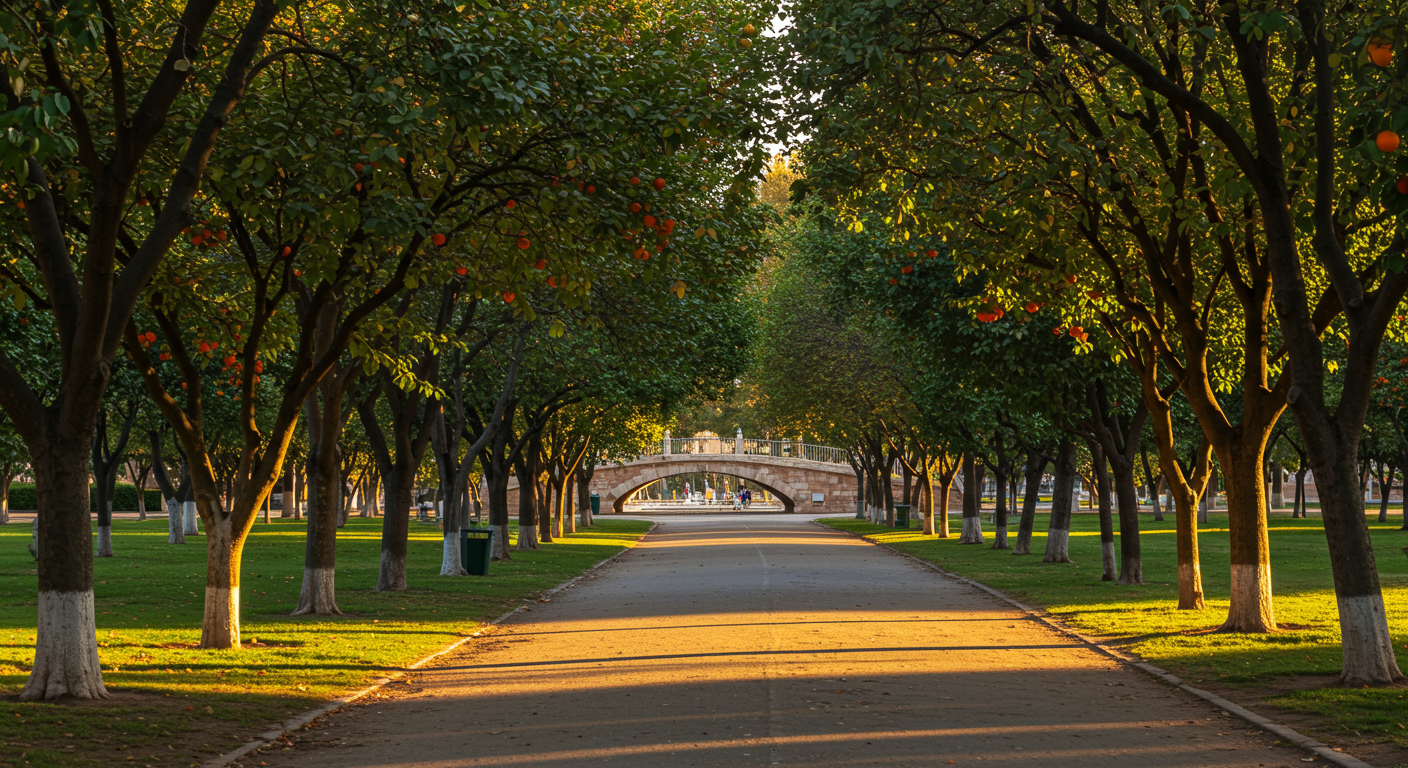
The Turia is the best urban park in Spain. I'll stand by that. The river was diverted after catastrophic flooding in 1957, and the dry riverbed — running in a long curve from the western outskirts all the way to the City of Arts and Sciences — was turned into a linear park in the 1980s. It's about 9km end to end, though the most interesting stretch runs from the Pont de Serrans (near the old town) eastward to Calatrava's buildings.
Most visitors see it only near the City of Arts and Sciences, which is a shame. The western sections, around Pont del Real and the Jardins del Reial (the old botanical gardens), are shadier, quieter, and more interesting botanically. The stretch past the Palau de la Música is where locals run, cycle, play pétanque, and sit on benches reading. It's also where the city's dog-walking population congregates around 7am and 6pm — a reliable barometer of neighbourhood life.
For slow travel purposes, the best approach is to walk the full length on a weekday morning, starting at the Pont de Serrans and finishing at the Hemisfèric. Allow three to four hours if you stop, which you should. There are decent café stops along the way — the kiosks near the Palau de la Música do acceptable coffee, and there's a good juice bar near the Pont de l'Àngel Custodi.
The City of Arts and Sciences at the eastern end is architecturally extraordinary and worth seeing once. The Oceanogràfic (the aquarium) is one of Europe's largest and genuinely impressive if you're with children. Budget €32–38 for an adult ticket as of 2026. The L'Hemisfèric IMAX is fine. Skip the Museu de les Ciències unless you have a specific interest — it's interactive science museum content that doesn't justify the entry price.
The Beach: Malvarrosa and Beyond
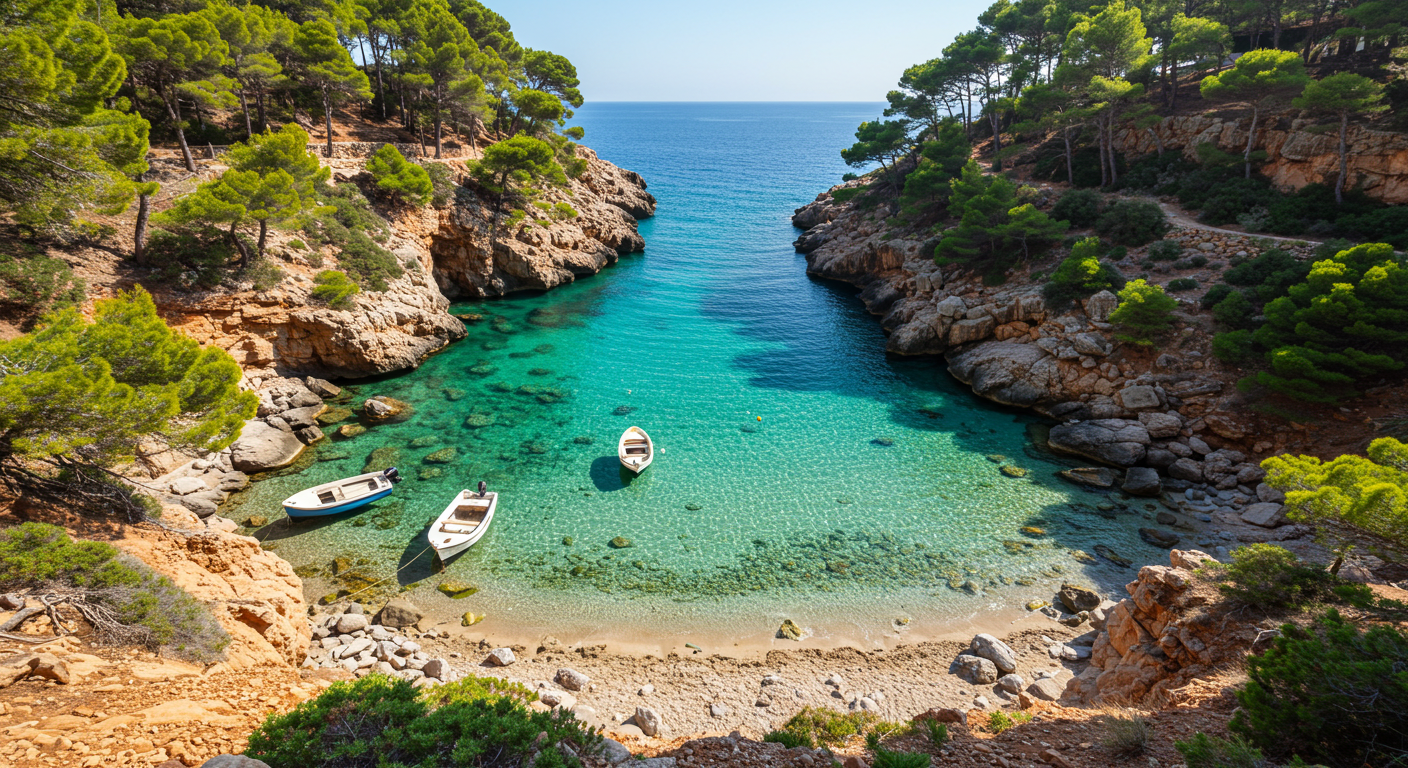
Valencia's beach is not the Côte d'Azur. The water isn't turquoise, the sand is grey-yellow, and the promenade — the Passeig Marítim — is wide, flat, and slightly windswept even in summer. But it's a proper urban beach, 4km of it, accessible by tram from the city centre (Line 4 from Pont de Fusta, about 20 minutes, roughly €1.50 each way), and it has a particular atmosphere that grows on you.
The beach neighbourhood, La Malvarrosa, is worth exploring beyond the strip. The streets behind the promenade — Carrer del Progrés, Carrer de la Reina — have a working-class seaside feel that's different from anything in the centre. The paella restaurants along the front range from decent to dreadful; La Pepica is the famous one but, as mentioned, expensive. Better value is Casa Carmela, about ten minutes' walk south toward El Cabanyal, which has been doing wood-fired paella Valenciana since 1922 and charges around €18–22 per person.
El Cabanyal deserves a mention on its own. It's the old fishing district immediately behind the beach, and it spent years under threat of demolition for a road extension. The demolition plan was eventually stopped, and the neighbourhood is now in a long, slow process of renovation. It's patchy — beautiful tiled façades next to derelict buildings, gentrifying tapas bars next to old men's social clubs — but that patchiness is exactly what makes it interesting. The Mercat del Cabanyal, when it's running (check locally, hours vary), sells fish landed the same morning.
If you're spending time in Valencia and thinking about the practicalities of staying longer — banking, registration, healthcare — the bureaucratic side is manageable but takes planning. Getting empadronado (registered at your local address) is the first step for almost everything, and it's worth doing early. If you're arriving as a digital nomad, the Spanish Digital Nomad Visa is worth looking into before you come.
Moving Between the Four: A Note on Pace
The temptation is to do all four in a day. Old town in the morning, Ruzafa for lunch, Turia walk in the afternoon, beach for sunset. It's doable, and you'll have seen everything and understood nothing. The city rewards a slower pace — a morning in one neighbourhood, a long lunch, an afternoon siesta (genuinely: everything shuts from roughly 2–5pm in the quieter areas), then an evening walk.
Valencia is also a city that changes with the light. The Cathedral in the early morning, before the tour groups arrive, is a different building from the Cathedral at noon. The Turia at dusk, with the Calatrava buildings turning gold, is worth the wait. The beach at 8am in July, before the families arrive, is practically empty and genuinely peaceful.
If you're considering Valencia as a base rather than just a stop — and many people do, because the quality of life is high and the cost, while rising, is still below Madrid or Barcelona — the practicalities of setting up are worth thinking about early. Opening a Spanish bank account as a non-resident is one of the first things to sort out, and it's easier to do in person than remotely.
Valencia doesn't need to be rushed. It's at its best when you're not trying to finish it.
Frequently asked questions
- How many days do you need in Valencia to see the old town, Ruzafa, the Turia gardens and the beach?
- Four to five days is the minimum for doing all four areas at a genuinely slow pace. Three days is tight but possible if you're organised. A week allows you to actually settle into the rhythm of each neighbourhood rather than just passing through.
- Is Ruzafa safe to stay in as a tourist or slow traveller?
- Yes, entirely. Ruzafa is a residential neighbourhood with a mix of young professionals, families and creatives. Normal city precautions apply — don't leave bags unattended on café terraces — but it's not an area with any particular safety concerns.
- What's the best way to get from Valencia city centre to the beach?
- Tram Line 4 from Pont de Fusta (near the old town) to Neptú on the Malvarrosa beachfront takes about 20 minutes and costs roughly €1.50 each way as of 2026. It runs frequently throughout the day. Cycling along the Turia gardens is also a good option — there are several bike rental shops near the riverbed.
- Can you walk the entire Turia gardens in one go?
- Yes. The full length is around 9km, and walking end to end takes roughly 2–3 hours at a steady pace without stops. Most people do a section rather than the full route. The stretch from Pont de Serrans to the City of Arts and Sciences is the most varied and interesting.
- Is the paella in Valencia's tourist centre actually good?
- Mostly no. The restaurants immediately around the Cathedral and Plaça de la Reina are largely serving reheated, frozen paella at inflated prices. For genuine Valencian rice — paella Valenciana or arroz a banda — head to El Cabanyal beach district or the Russafa area, and expect to pay €18–25 per person for the real thing.
- What's the difference between Malvarrosa beach and El Cabanyal in Valencia?
- Malvarrosa is the beach itself — the long stretch of sand and the promenade. El Cabanyal is the old fishing neighbourhood immediately behind it, known for its distinctive 19th-century tiled façades. They're adjacent and easy to combine, but El Cabanyal is worth exploring as a neighbourhood in its own right, not just as a route to the beach.
- Is Valencia a good city for slow travel or longer stays?
- It's one of the best in Spain for it. The cost of living is lower than Madrid or Barcelona (though rising), the city is genuinely walkable, the food culture rewards repeated exploration, and the Turia gardens give you a built-in daily walk. Many digital nomads and remote workers use it as a base; if you're considering that, look into the visa and registration requirements before you arrive.