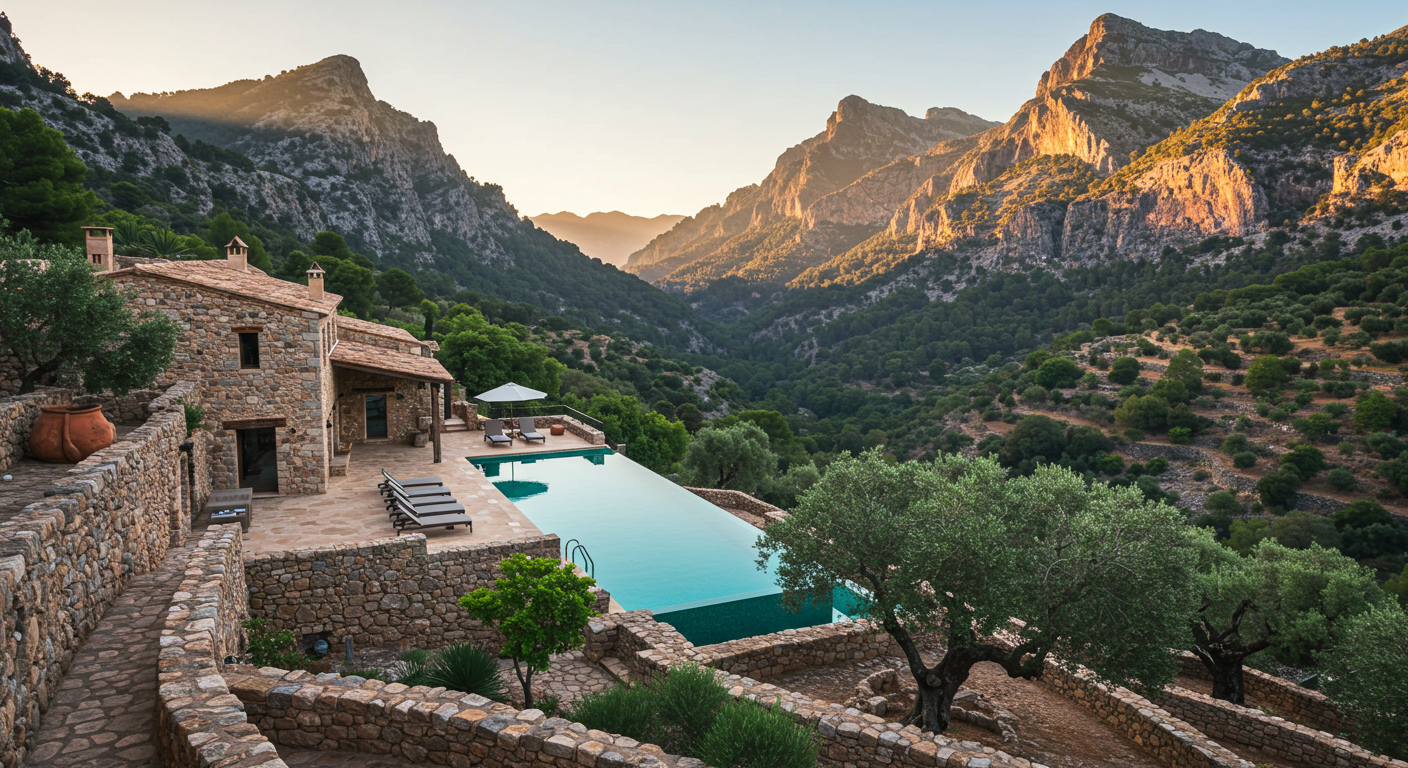
Formentera in One Week: How to Do Spain's Smallest Balearic Island
How to visit Formentera on a budget: ferries, bikes, the best beaches, where to eat without getting robbed. Real tips from someone who's been there.
How to Visit Formentera on a Budget (Without Ruining It)
Formentera is, by a considerable margin, the most expensive place I've spent a week in Spain. It is also, by a similarly considerable margin, one of the most beautiful. Those two facts are related, and understanding that relationship is the whole trick to doing this island well.
The short answer to visiting Formentera without haemorrhaging money: take the ferry from Ibiza town (not the port hotels — walk to Estació Marítima yourself), hire a bicycle or moped rather than a taxi, cook at least half your meals from the small supermarket in Sant Francesc Xavier, and book accommodation at least three months ahead for July or August. Do all that, and a week here is entirely possible for two people spending €150–€180 a day combined, all in. Ignore that advice and the same week will cost twice as much and feel half as good.
Getting There: Ferries, Timings and the Ibiza Trap
There's no airport on Formentera. You fly into Ibiza and take a ferry — that's the only way in, and it's actually part of what keeps the island sane. The crossing takes roughly 30–35 minutes on the fast ferries (Baleària and Trasmapi both run them), or about an hour on the slower car ferries. As of 2026, a return foot-passenger ticket runs around €28–€40 depending on the season and how far in advance you book. Cars cost significantly more and are honestly not worth the faff — the island is 20 kilometres long.
The ferry terminal in Ibiza is right in the old port, a short walk from the centre. Don't let anyone in a high-vis jacket direct you toward a shuttle or a private transfer. Just walk. The ferry companies have their own ticket booths at the terminal. Buy direct from them or online in advance; the mark-up through hotel concierges is real.
In high summer — July and August — the ferries run roughly every 30 minutes from around 7am to midnight, sometimes later. In shoulder season (May, June, September, October) the schedule thins out but there are still plenty of crossings. In winter, Formentera goes very quiet indeed; many restaurants and most rental shops close from November through March.
Getting Around the Island: Bikes Beat Everything
This is non-negotiable. Hire a bicycle. The island is flat enough that even reasonably unfit people can manage it comfortably, and it has a proper network of camins — old cart tracks — that take you between beaches and villages without touching the main road. A basic pedal bike rents for around €10–€15 a day; an e-bike for €20–€30. Mopeds (50cc) go for roughly €35–€50 a day. You'll find rental places the moment you step off the ferry in La Savina — there are dozens of them, prices are competitive, and you don't need to book ahead except in the peak of August.
Cars exist on Formentera, but the island actively discourages them. In summer, private vehicles from the mainland are restricted at certain access points. Taxis are scarce and expensive. There's a bus service connecting La Savina, Sant Francesc, Es Pujols and the lighthouse at La Mola — cheap, but infrequent. Bike is the answer. It always has been.
The Beaches: Where to Go and What to Skip
Formentera has genuinely exceptional beaches. The water colour — that particular shade of turquoise that looks digitally enhanced but isn't — comes from Posidonia oceanica, the protected seagrass meadows that carpet the seabed and filter the water to extraordinary clarity. The EU has protected these meadows, which is partly why boats can't anchor wherever they like.
Ses Illetes is the headline act. A long, narrow spit of sand pointing north toward Ibiza, with shallow water on both sides. It's the kind of beach that makes people cancel their flights home. It is also, in July, absolutely rammed. Go early — before 10am — or go late afternoon. The crowds thin dramatically after 5pm and the light is better anyway.
Platja de Migjorn is the long southern beach, several kilometres of it, and because it faces south it gets the best afternoon sun. There are beach bars dotted along it, but also long stretches with nothing at all. This is where you go when you want space.
Cala Saona is on the west coast, a proper cove with reddish cliffs. Smaller, prettier in a different way, and worth the bike ride. Gets busy at lunchtime; quieter by 4pm.
Skip Es Pujols as a beach. It's the island's main tourist strip and the beach there is fine but nothing you couldn't find on the Costa Brava. The town is useful for ATMs, supermarkets and pharmacies, but don't base yourself there expecting the real Formentera.
Where to Stay: The Honest Breakdown
Accommodation on Formentera is expensive. There's no way around it. A mid-range double room in a small hotel or agroturismo in peak July runs €180–€350 a night. Apartment rentals through Airbnb or local agencies can be better value — you're looking at €100–€200 a night for a decent two-bed place, more for anything with a pool or sea view.
Sant Francesc Xavier, the island's small capital, is the most practical base: supermarket, pharmacy, a decent Saturday market, and roughly central. La Savina (the port) is convenient for arrivals but not especially atmospheric. Es Caló de Sant Agustí, a tiny fishing village on the north coast, is genuinely lovely and quieter than most alternatives.
Book early. This cannot be overstated. People who rock up to Formentera in August hoping to find something on the night are either sleeping on a beach or paying €400 for the last room in a mediocre hotel.
Eating and Drinking: Where the Money Goes
Food on Formentera follows the Ibiza law: location premium is steep, and the further from the beach you eat, the cheaper and often better the food gets.
The island's signature dish is bullit de peix — a two-course fish stew where you eat the broth with rice first, then the fish and potatoes separately. It's served in traditional restaurants (Ca Na Pepa in Sant Ferran is one of the better-known ones), costs around €20–€25 per person for the full thing, and is genuinely worth having at least once.
The beach bars (chiringuitos) are beautiful and expensive. A grilled fish plate at Ses Illetes will set you back €25–€35. A gin and tonic is €12–€15. Nobody is forcing you to order three rounds before lunch, but somehow it always happens.
For budget eating: the supermarket in Sant Francesc (there's a Spar and a small Co-op-style local shop) sells excellent local produce — sobrasada, hierbas ibicencas, good bread, fresh fruit. A picnic on the beach costs €8 and is arguably a better lunch than most of the restaurant options.
The local hierbas liqueur — the Balearic herby digestif — is worth picking up a bottle of. Cheap from any supermarket; expensive from anywhere that involves a sunset view.
The Interior: Don't Just Do Beaches
Most visitors spend all their time at the beach and miss the fact that Formentera's interior is quietly extraordinary. The road up to La Mola plateau at the eastern end of the island climbs through pine woods and farmland, and the views from the lighthouse at the top (Far de la Mola) are spectacular. Jules Verne apparently set part of Hector Servadac here, a detail the local tourist office is very proud of.
Sant Francesc Xavier has a small but good ethnographic museum and a 16th-century fortified church worth ten minutes of your time. The Saturday market in the square outside sells local honey, pottery and linen — not cheap, but the quality is genuine.
The camins network deserves more attention than it gets. These old stone-walled tracks cross the island and are mapped on the free leaflet you can pick up at the tourist office in La Savina. On a bike, you can cover most of them in two or three days.
Practical Realities: Money, Connectivity and Timing
Formentera uses euros, obviously. Cash is useful — some of the smaller beach bars and market stalls don't take cards reliably. There are ATMs in La Savina, Sant Francesc and Es Pujols.
Mobile signal is generally decent on the main roads; it gets patchy on the more remote beaches. Don't rely on Google Maps navigating you through the camins — download an offline map before you go.
The best time to visit: late May and early June, or September. The water is warm enough (22–25°C in September), the ferries run frequently, and the island hasn't been completely taken over yet. July and August are peak season in the most intense sense — beautiful, crowded, loud, and expensive. October is genuinely lovely but you'll find some places already closed.
If you're considering a longer stay — a month or more working remotely — Formentera in low season is a very different proposition. Cheap-ish long-term rentals do exist in winter (relative to summer prices; still not cheap by mainland standards), and the island in November has a particular quiet beauty. For the paperwork side of a longer Spanish stay, things like sorting a Spanish bank account as a non-resident or understanding your healthcare cover before your TIE arrives are worth getting straight before you go. If you're thinking about the digital nomad visa route, the income thresholds matter more than people realise.
A Realistic Week on Formentera
Day one: arrive La Savina, collect bike, check in, swim at Ses Illetes late afternoon. Day two: cycle the northern spit in the morning, lunch from a supermarket picnic, Cala Saona in the afternoon. Day three: explore Sant Francesc market (if Saturday), museum, lunch in the village. Day four: Migjorn beach, full day. Day five: La Mola plateau and lighthouse, lunch in El Pilar de la Mola village. Day six: Es Caló, snorkelling, slow afternoon. Day seven: whatever you missed, ferry back to Ibiza for your flight.
That's a week that uses the island properly. You won't feel like you've rushed it, and you won't feel like you've missed much.
Formentera rewards slowness. It was built for it.
Frequently asked questions
- How do you get to Formentera from Ibiza?
- You take a ferry from Ibiza's Estació Marítima (the old port). Fast ferries run by Baleària and Trasmapi take about 30–35 minutes. As of 2026, a return foot-passenger ticket costs roughly €28–€40 depending on season. Ferries run very frequently in summer (roughly every 30 minutes); less often in spring and autumn. There is no airport on Formentera.
- Is Formentera worth visiting on a budget?
- It can be done, but it requires planning. The main savings come from hiring a bicycle instead of taxis, self-catering for some meals using local supermarkets, avoiding beach-bar drinks at €12+ a round, and booking accommodation well in advance. A realistic daily budget for two people is €150–€180 all in if you're careful; more like €300+ if you eat and drink at beach restaurants every day.
- When is the best time to visit Formentera?
- Late May to early June, or September. The sea is warm, the island is much less crowded than in July–August, and prices drop noticeably. October is quiet and beautiful but some businesses start closing. July and August are peak season — stunning but very busy and expensive.
- Do you need a car in Formentera?
- No. The island is small and flat, making bicycles the ideal way to get around. A basic bike rents for €10–€15 a day; e-bikes for €20–€30. There's also a bus connecting the main settlements, and mopeds are available to rent. Bringing a car from the mainland is possible but restricted in summer and generally not worth the cost or hassle.
- What is the best beach in Formentera?
- Ses Illetes is the most famous — a narrow strip of white sand with extraordinary turquoise water on both sides, pointing north toward Ibiza. It gets very crowded in high summer, so go early or late afternoon. Platja de Migjorn is the best option for space and a long stretch of undeveloped coastline. Cala Saona is the prettiest cove, with red cliffs and calmer water.
- Can you visit Formentera as a day trip from Ibiza?
- Technically yes — the ferry is only 30 minutes. But it's a shame to rush it. A day trip gives you time to visit one or two beaches and that's about it. If you can manage even two nights on the island, you'll get a far better sense of the place. It's also much cheaper to eat and drink in Formentera than in Ibiza town.
- Is Formentera good for long-term stays or remote working?
- In winter, yes — it's quiet, the light is beautiful, and long-term rentals become more affordable relative to peak season (though still not cheap). The infrastructure is limited: patchy internet in some areas, limited healthcare facilities (a basic health centre in Sant Francesc; anything serious requires going to Ibiza or the mainland). If you're planning an extended stay and need to sort residency paperwork, bear in mind that bureaucratic appointments are handled through Ibiza, not on the island itself.