Best Luxury Wellness Hotels in Mallorca by Region
The best luxury wellness hotels in Mallorca by region — from the Tramuntana mountains to the southeast coves. Real picks, honest prices, no tourist-trap filler.
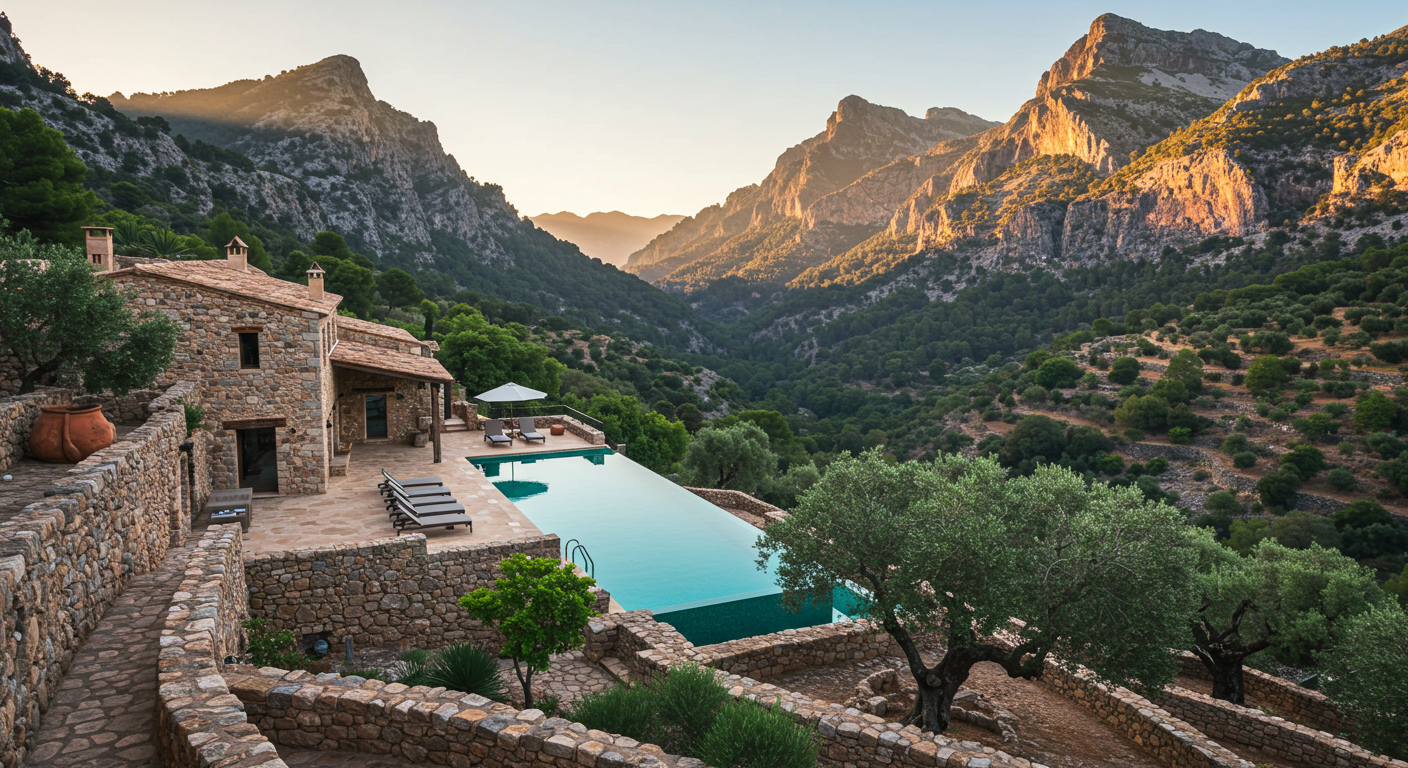
Mallorca has roughly 900 kilometres of coastline and enough spa hotels to fill a small catalogue. The problem isn't finding luxury — it's knowing which corner of the island actually suits what you're after, and which properties are worth the eye-watering rack rates.
The best luxury wellness hotels in Mallorca by region break down like this: the Tramuntana northwest is for serious retreat energy, silence and olive groves; the southwest bay area around Port d'Andratx is for nautical glamour; the northeast is wilder and more authentic; and the southeast — Cala d'Or, Santanyí — is where you go for clear-water coves without the Magaluf chaos. Each region has its own character, and picking the wrong one is the most common expensive mistake visitors make.
Why Region Matters More Than the Star Rating
Mallorca is bigger than most people expect. Palma to Cap de Formentor is about 80 kilometres. If you book a five-star spa hotel in the northeast thinking you'll pop into Palma for dinner, you're looking at an hour-plus drive each way on mountain roads. That's fine if you want total isolation — not fine if you want the city nearby.
The island divides roughly into five zones worth thinking about: the Tramuntana (the UNESCO-listed mountain range along the northwest coast), the Bay of Palma and southwest, the Pla (the flat agricultural interior), the northeast cape and bay area, and the southeast coves. Wellness and luxury hotels cluster heavily in the Tramuntana and the southeast. The interior is still emerging — but quietly exciting for the right traveller.
The Tramuntana: Silence, Olives and Serious Spa Culture
This is where Mallorca's wellness scene has its spiritual home. The Serra de Tramuntana runs the length of the northwest coast — stone villages, ancient terraces, dramatic drops to the sea — and it's where the island's most atmospheric retreat hotels have set up.
Son Brull (near Pollença, not to be confused with the northeast coast town) is a converted 18th-century monastery that does the sparse-luxury thing properly. Stone walls, a small pool, a kitchen that takes local produce seriously. It's intimate — around 23 rooms — which means you're not sharing the spa with 300 other guests. Rates from roughly €350–500 per night in high season (July–August 2026), dropping to €180–250 in shoulder season.
Belmond La Residencia in Deià is the famous one, and it earns its reputation — just. It's large by Tramuntana standards (around 65 rooms and suites), the spa is genuinely good, and the setting above the village is hard to argue with. But it leans into its own legend a little too much. The restaurant is excellent; the pool area can feel crowded in August. Book the Can Quet restaurant separately — it's the better meal. Rates from €500 upwards in peak season, sometimes well above €1,000 for suites.
Refugio Son Moragues is the one fewer people mention. It's a private finca estate just outside Valldemossa with just a handful of rooms, a small spa, and hiking trails straight out the front door into the Tramuntana. This is for people who actually want to walk — not just look at mountains from a lounger. It books up fast for autumn, which is the best season for hiking here anyway.
The Tramuntana works best from late April through June, and again in September and October. July and August are fine if you want heat and a pool, but the roads get genuinely congested.
The Southwest: Port d'Andratx and the Glamour Belt
The southwest corner — Port d'Andratx, Camp de Mar, Sant Elm — is quieter than Palma but still connected. It's where you find the sailing crowd, the long-term luxury villa renters, and a handful of hotels that have cracked the balance between accessibility and seclusion.
Gran Hotel Son Net in Puigpunyent (technically inland, but close enough to count) is a 16th-century manor house with 24 rooms, a serious wine cellar, and a spa that doesn't try to be a medical clinic. It's the kind of place where they remember your name. Rates around €300–450 mid-season.
Hotel de Mar in Camp de Mar is lower-key and more beach-focused — a good choice if the wellness priority is actually swimming in clear water every morning rather than treatments. The cove in front is one of the better sandy beaches on this coast.
Honestly, the southwest is slightly underrated compared to the Tramuntana. Less dramatic scenery, yes — but easier driving, better road access to Palma (about 30–40 minutes), and a slightly more relaxed atmosphere.
Northeast Mallorca: Cap de Formentor and the Pollença Bay Area
The northeast is where the island gets wilder. The Formentor peninsula is genuinely spectacular — a long, narrow ridge of pine-covered limestone jutting into the sea — and it's the location of one of Mallorca's most iconic hotels.
Hotel Formentor — A Royal Hideaway reopened after extensive renovation in 2023 and has settled into its post-refurb life well. It sits in its own private cove with a long sandy beach, surrounded by pine forest, and the spa is large and well-equipped. The history here is real — Churchill stayed, Audrey Hepburn stayed, various royals have stayed. It's not cheap (expect €600–900 in peak season, considerably more for suites), and it's remote enough that you'd better want to be there rather than use it as a base. The hotel runs boats to Pollença town, which helps.
Pollença town itself, a few kilometres south, has smaller boutique options. Hotel Juma on the main square is tiny (just seven rooms) and more about good food and location than spa facilities — but worth knowing about if treatments aren't the priority.
The northeast is best from May to June and September. The road to Cap de Formentor is subject to access restrictions in summer (July–August) — they run shuttle buses from a car park — so check current rules before driving.
Southeast Mallorca: Coves, Calm and the Santanyí Coast
This is the Mallorca that doesn't shout about itself. The southeast — roughly from Cala d'Or down to Ses Salines and across to Cala Mondrago — has the clearest water on the island, a string of small coves, and a slower pace that suits people who genuinely want to decompress.
Sa Bassa Blanca (near Alcúdia, which technically edges into the northeast) is worth the mention for its extraordinary art collection — it's a private museum-hotel hybrid. Not for everyone, but singular.
Fontsanta Hotel Thermal Spa & Wellness near Campos is the one that serious wellness travellers talk about. It sits above natural thermal springs — genuinely thermal, not a marketing claim — and the treatments are built around the mineral water. It's not a flashy property; the design is restrained to the point of austere. But if you're coming specifically for therapeutic spa treatments rather than Instagram architecture, this is probably the best-value serious wellness option on the island. Rates around €200–350 per night including spa access.
Hotel Cala Sant Vicenç (near Pollença, yes — the geography overlaps at the north end) is another understated option that gets the basics exactly right: a quiet cove, a good pool, attentive service, and no pretension.
For the southeast coves specifically, many of the best luxury options are actually villa rentals rather than hotels — private fincas with pools that rent by the week. If you're a couple or a group and the budget stretches to €3,000–5,000 per week, a private finca near Santanyí often beats a hotel room for the money.
Palma and the Bay: For Those Who Want City Access
If you want spa facilities but also want to eat at good restaurants, walk to a market, and actually see Palma's old town, staying in or near the city is underrated.
Hotel Can Alomar in the heart of Palma's old town is a beautifully restored 17th-century palace — 8 rooms, rooftop pool, the kind of quiet luxury that doesn't need a spa wing because the whole building is the experience. Around €300–500 per night.
Castillo Hotel Son Vida sits on a hill above Palma with golf, a large spa, and city views. It's more resort-hotel than boutique — 164 rooms — but the spa is genuinely comprehensive and it's 10 minutes from the city centre by taxi.
A Note on Booking and Seasonality
High season in Mallorca runs July and August. Prices during these months are at a premium across the board, and availability at the smaller properties (Son Brull, Can Alomar, Son Moragues) disappears months in advance. For wellness-focused travel, late May, June, or September offer better value, better weather for outdoor activities, and a less frantic atmosphere.
Many of the Tramuntana hotels close entirely from November through February. Check before you book — some close for two to three months in winter.
If you're thinking about Mallorca as more than a holiday — perhaps as a longer-term base — the logistics of residency, banking, and healthcare start to matter. For anyone making that leap, understanding how to open a Spanish bank account as a non-resident is a practical early step, and if you're considering staying long enough to access the public health system, it's worth reading about healthcare in Spain before your TIE arrives.
For digital nomads drawn to the island's slower pace, the Spanish Digital Nomad Visa minimum salary question is worth working through before you commit to anything.
The southeast in October, with the crowds gone and the sea still warm enough to swim: that's the version of Mallorca that earns the loyalty.
Frequently asked questions
- Which region of Mallorca is best for a wellness retreat?
- The Tramuntana mountains in the northwest are the island's strongest area for genuine wellness retreats — properties like Son Brull and Refugio Son Moragues offer silence, hiking access, and serious spa facilities. The southeast (around Campos and Santanyí) is better for therapeutic spa treatments, particularly Fontsanta with its natural thermal springs.
- What is the best time of year to visit luxury wellness hotels in Mallorca?
- Late May through June and September are the sweet spots. The weather is warm, the sea is swimmable, prices are lower than July–August, and the roads and pools are significantly less crowded. Many Tramuntana properties close from November to February, so check ahead for winter travel.
- How much does a luxury wellness hotel in Mallorca cost per night?
- As of 2026, expect to pay roughly €180–350 per night at smaller boutique properties in shoulder season, and €400–900+ per night at the major names (Belmond La Residencia, Hotel Formentor) in July and August. Fontsanta is notable for offering genuine therapeutic spa facilities at €200–350 per night.
- Is Hotel Formentor worth the price?
- For most people, yes — if you're prepared to commit to being there rather than using it as a touring base. The private beach, pine-forest setting, and refurbished spa justify the rates if you stay at least three nights. For a one-night stopover, the value calculation is harder to justify.
- Are there good wellness hotels in Mallorca that aren't in the mountains?
- Yes. Fontsanta near Campos in the southeast sits above natural thermal springs and is arguably the island's most genuinely therapeutic spa hotel. The southwest (Camp de Mar, Port d'Andratx) also has solid options with easier road access to Palma.
- Can I find luxury wellness accommodation in Mallorca outside the hotel system?
- Absolutely. Private finca rentals in the southeast (Santanyí, Ses Salines) often offer more space and privacy than a hotel room for comparable money, especially for groups or couples staying a week or more. Expect €3,000–6,000 per week for a well-equipped finca with a private pool in high season.
- What's the difference between staying in the Tramuntana versus the southeast for a wellness holiday?
- The Tramuntana is dramatic — mountain scenery, old stone villages, olive groves, hiking trails — and suits people who want retreat-style energy with activity options. The southeast is flatter, quieter, and centred on extraordinarily clear coves and calm sea. The southeast is better for pure relaxation; the Tramuntana is better for combining wellness with landscape.