Driving the Rías Baixas Wine Route: An Albariño Road Trip Guide
A self-drive Rías Baixas wine route itinerary covering the best Albariño bodegas, villages and coastal stops in Galicia. Real tips, realistic costs, 2026.
The Rías Baixas Wine Route: Driving Galicia's Albariño Country
The Rías Baixas wine route self-drive itinerary is best done over three to four days, starting in Pontevedra or Vigo, looping through the Salnés Valley, and ending somewhere near the mouth of the Ría de Arousa. The DO (Denominación de Origen) covers five sub-zones, but the Salnés — the wettest, most Atlantic-facing strip of vineyards in Spain — is where Albariño really shows what it can do. Plan this between late June and early October; the rest of the year the bodegas are open, but the landscape loses its particular green-gold drama.
Albariño from Rías Baixas is a dry white with high acidity, stone-fruit aromatics, and a saline finish that makes it almost unfairly good with seafood. It's not a wine you cellar for decades — drink it young, within two or three years of harvest, ideally with a plate of percebes or grilled rodaballo somewhere on the coast.
Why Self-Drive Is the Only Sensible Option
Public transport in rural Galicia is functional but slow, and the bodegas are scattered across country lanes that Google Maps sometimes treats as suggestions rather than roads. Renting a car in Vigo or Santiago de Compostela is straightforward; expect to pay €35–55 per day for a small automatic in summer 2026, depending on how far ahead you book. If you're relocating to Spain and haven't sorted your paperwork yet, worth knowing that driving on a foreign licence has its own rules here — check your situation before you go.
The designated driver question is real. Galicia takes drink-driving seriously, and the rural roads are narrow and occasionally terrifying. The honest answer is that you rotate, or one person tastes and spits (the bodegas all have spittoons and nobody judges), or you stay somewhere central and take a taxi for the evening sessions.
The Five Sub-Zones: Which One to Focus On
The DO Rías Baixas has five sub-zones: Val do Salnés, Ribeira do Ulla, O Rosal, Condado do Tea, and Soutomaior. Unless you have a week, pick two.
Val do Salnés is the heartland — the highest concentration of bodegas, the most famous producers, and the easiest to navigate. Cambados is the unofficial capital, a handsome town with a ruined pazo (Galician manor house) and the annual Albariño festival in early August. If you're only doing one area, this is it.
O Rosal sits at the southern tip, near the Portuguese border, where the Miño river meets the Atlantic. The wines here tend to be slightly fuller-bodied, often blended with Loureiro and Treixadura. Fewer tourists, better prices at the cellar door, and the landscape is quietly spectacular.
Condado do Tea is inland and warmer — the wines are structurally different, and honestly, if you've come all this way for that fresh, saline Albariño style, Condado is a diversion rather than a destination.
A Realistic Three-Day Itinerary
Day One: Vigo → Cambados via the Coast Road
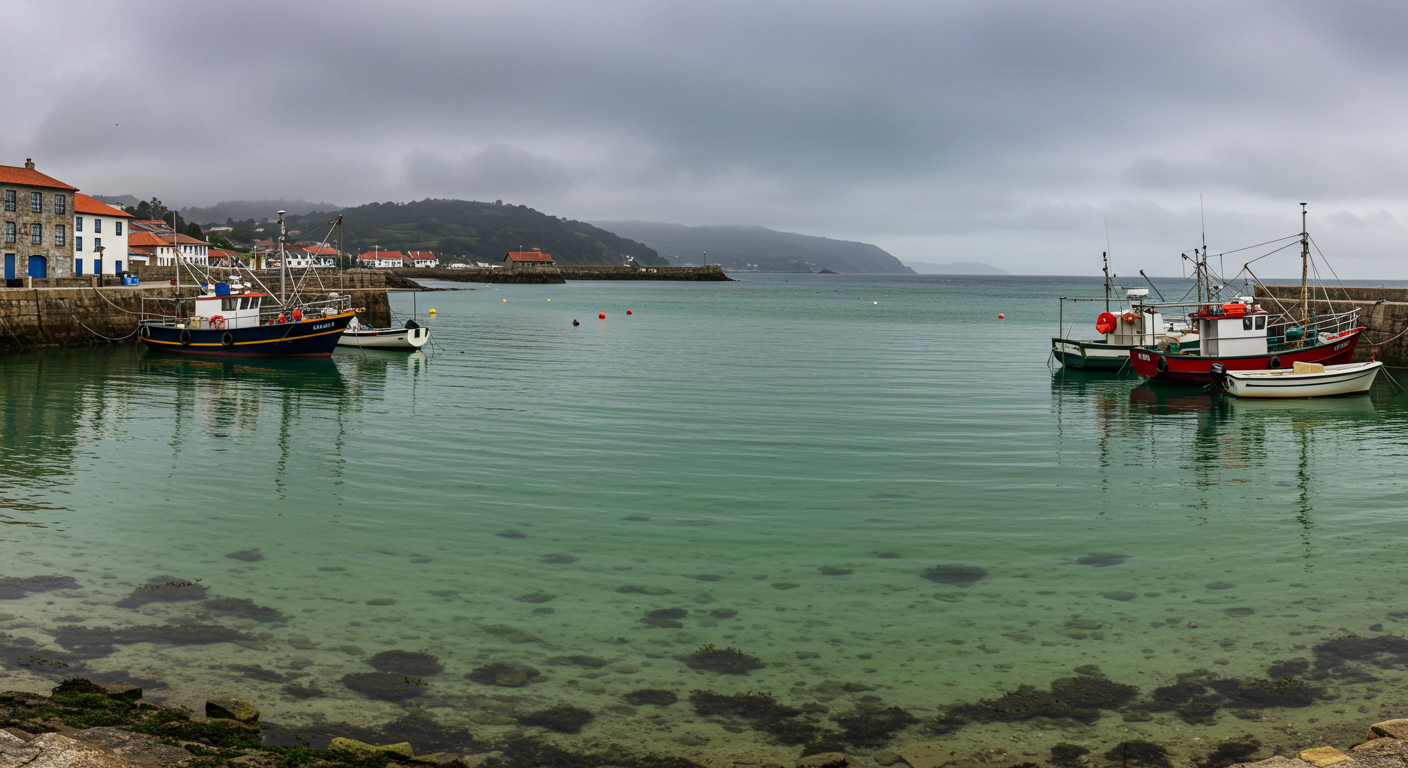
Leave Vigo on the PO-551 rather than the motorway. It adds forty minutes but takes you through fishing villages — Baiona, A Guarda, the mouth of the Ría de Vigo — that justify the detour entirely. Stop in Baiona for coffee and a tortilla at any bar on the harbour; skip the Parador restaurant, which is all setting and no substance.
Arrive in Cambados by early afternoon. The Praza de Fefiñáns is one of the better town squares in Galicia — arcaded, planted with vines, and genuinely old rather than restored to within an inch of its life. Walk it, then head to Bodegas Martín Códax on the edge of town. They do guided visits most days (book ahead in August; walk-in the rest of the year), and the standard tour with three wines runs around €12–15. Martín Códax is a cooperative, which means reliable quality at fair prices rather than boutique ambition — that's not a criticism, it's useful information.
For dinner in Cambados, Yayo Daporta on Rúa Hospital is the serious option — Michelin-starred, market-driven, expensive (€80–100 per head with wine). Or eat at the counter of any pulpería and spend €20. Both are valid.
Day Two: Salnés Valley Bodega Loop
This is the core day. The Salnés has over a hundred producers; you cannot visit them all and remain upright. Three bodegas is enough for a full day.
Start at Pazo de Señoráns in Meis. It's one of the most serious producers in the DO, and their Selección de Añada (a single-vintage reserve Albariño, aged longer than standard) is the wine that made critics take the region seriously. Visits need to be booked in advance — email them a week ahead. The pazo itself is a 16th-century manor with pergola-trained vines growing directly over the courtyard.
Lunch in the village of Ribadumia. There's a small market on Saturdays. Otherwise, the restaurant attached to Bodegas Agro de Bazán does a decent menú del día for around €14–16.
Afternoon visit to Terras Gauda in O Rosal if you're willing to drive south, or stay in the Salnés and visit Bodegas Fillaboa in Salvaterra do Miño — one of the cleaner, more mineral expressions of the grape, and their barrel-fermented single-estate bottling is worth the extra few euros.
Day Three: Ría de Arousa Coast and Santiago
The third day is for slowing down. Drive the eastern shore of the Ría de Arousa through A Pobra do Caramiñal to Padrón — famous for the small green peppers that are mostly mild with the occasional incendiary one, a fact that Galicians find endlessly amusing. Buy a bag from the market. Eat pulpo a feira at O Cribo in Padrón, which has been doing it the same way for decades.
End in Santiago de Compostela. It's not a wine town, but it's a good place to decompress after two days of tasting, and the old city is worth an evening. Stay in the Cidade Vella if you can — the neighbourhood just outside the cathedral square, around Rúa do Franco.
What to Drink and What to Spend
At the cellar door, standard Albariño from a good Salnés producer runs €8–14 a bottle. Aged or single-vineyard expressions go up to €20–30. In restaurants, expect a 100–150% markup on retail — a €10 bottle appearing on a wine list at €22–25 is normal and not extortionate by Spanish standards.
The very cheap supermarket Albariño (under €6) is rarely worth it. The Mercadona own-label Albariño Marqués de Vizhoja is a persistent exception — decent, honest wine at around €4.50, if you're stocking an apartment rather than impressing someone.
Practicalities Nobody Mentions
August is genuinely busy. The Albariño Festival in Cambados (first weekend of August) is fun but doubles accommodation prices and fills every bodega with tour groups. Either lean into it or go in late September, when the harvest is on and the landscape is at its most atmospheric.
The weather. Galicia is green because it rains. Even in July, carry a light waterproof. The mornings can be grey; they usually clear by noon.
Accommodation. The pazo rural hotel is the obvious choice — there are dozens of converted manor houses in the Salnés that do B&B for €80–150 a night double. Pazo A Capitana near Cambados and Pazo de Galegos near Meaño are both solid. Book direct for better rates.
If you're thinking of relocating to Galicia after a trip like this — it happens more than you'd think — the practical to-do list is longer than it looks. Getting your empadronamiento sorted is the first step, and renting without a Spanish payslip is the hurdle most newcomers hit early. Galicia's cost of living is among the lowest in peninsular Spain, which is part of the appeal.
The Honest Verdict on the Route
The Rías Baixas wine route isn't dramatic in the Rioja sense — no grand bodegas designed by Gehry, no sweeping plateau vistas. It's a quieter, greener, more intimate kind of wine tourism: granite walls, pergola vines, the smell of the sea never far off, and a glass of something cold and briny at the end of a lane. That's the appeal. If you want spectacle, go to Rioja. If you want to eat the best seafood in Spain washed down with the wine that was made for it, drive the Salnés.
One last thing: buy more than you think you need at the cellar door. The weight allowance on the way home is the only real constraint, and you will regret not buying that extra case of Pazo de Señoráns.
Frequently asked questions
- When is the best time to drive the Rías Baixas wine route?
- Late September and early October are ideal — harvest is underway, the vineyards are at their most photogenic, and crowds are thinner than August. Late June and July work well too. Avoid the first weekend of August if you dislike crowds; the Albariño Festival in Cambados is lively but accommodation becomes scarce and expensive.
- Do I need to book bodega visits in advance?
- For smaller or more prestigious producers — Pazo de Señoráns, Fillaboa, Terras Gauda — yes, book at least a week ahead by email, especially May through September. Larger cooperatives like Martín Códax often accept walk-ins outside peak season, but it's always worth a quick call first.
- How many days do I need for the Rías Baixas wine route?
- Three days is the realistic minimum to cover the Val do Salnés properly and see a bit of the coast. Four days lets you add O Rosal or finish in Santiago de Compostela without rushing. A single day trip from Vigo or Santiago is possible but you'll only scratch the surface.
- Is Albariño only made in the Rías Baixas?
- No — the grape is also grown across the border in Portugal's Vinho Verde region, where it's spelled Alvarinho and often blended with other varieties. Within Spain, small amounts are grown in other Galician DOs like Ribeiro and Monterrei, but Rías Baixas is by far the dominant region and the source of the most celebrated examples.
- Can I do the Rías Baixas wine route without a car?
- Technically yes, but it's awkward. There are buses between Pontevedra, Cambados and Vilagarcía de Arousa, and some bodegas are reachable by taxi from Cambados. In practice, the rural lanes between producers make a car far more practical. Hiring a guide with a minibus is a good middle option if you'd rather not drive at all.
- What food should I eat on the Rías Baixas wine route?
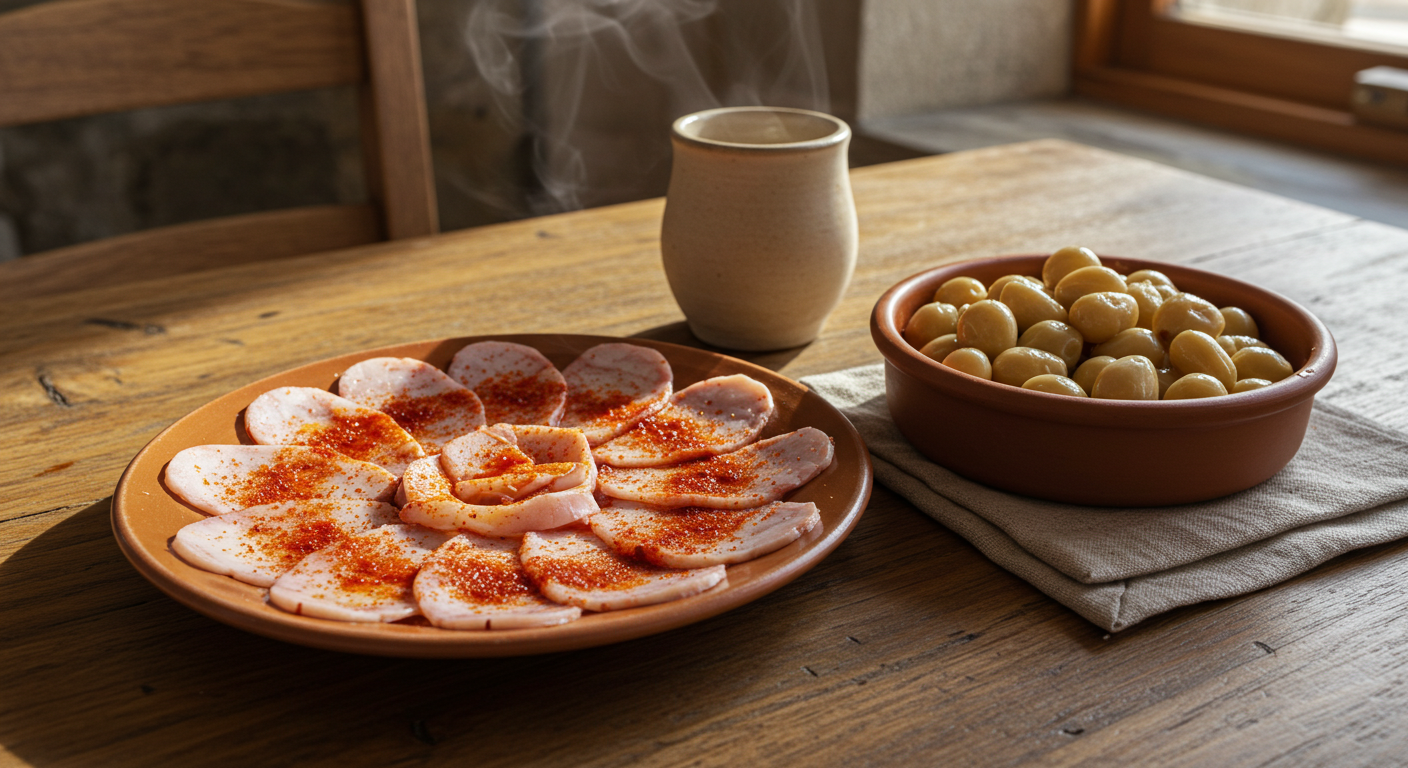
- Seafood, overwhelmingly. Percebes (barnacles), navajas (razor clams), mejillones (mussels from the Ría de Arousa, which produces some of the best in the world), and pulpo a feira (octopus with paprika and olive oil). In Padrón, the green peppers. In Cambados, whatever the daily catch is. Albariño is designed for all of it.
- How much does a cellar door Albariño tasting cost in Rías Baixas?
- Most bodega visits with a tasting of two or three wines run €10–18 per person as of 2026. Some smaller producers charge nothing if you buy a bottle. Premium tours at well-known estates with barrel room access and five or six wines can reach €25–35. Always check the bodega's website or email ahead for current pricing and availability.