What to Eat in Galicia: Pulpo, Percebes and the Best Marisco
A real guide to the best seafood to eat in Galicia, Spain — pulpo, percebes, navajas, and where to find the finest marisco restaurants and markets.
The Best Seafood to Eat in Galicia, Spain — and Where to Find It
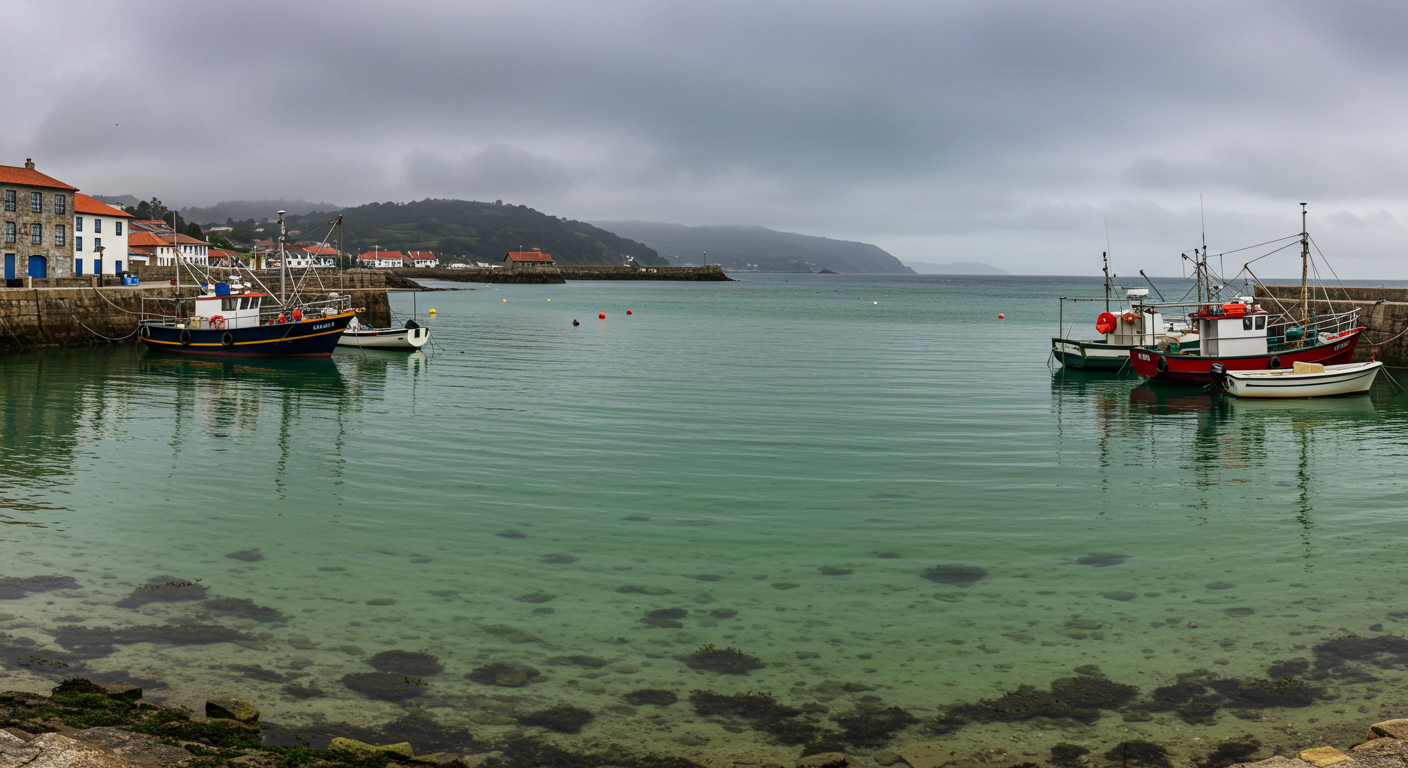
Galicia produces some of the finest seafood in Europe. Full stop. The cold, nutrient-rich waters of the Atlantic coast — the Rías Baixas, the Rías Altas, the Costa da Morte — yield shellfish and fish of a quality that the rest of Spain simply cannot replicate. If you're asking what the best seafood to eat in Galicia is, the honest short answer is: pulpo a feira, percebes, and whatever the fishing boats brought in this morning. Then you expand from there.
The region's relationship with the sea is entirely practical. Galicians don't perform their food culture — they just eat very well. A good marisco lunch in Santiago de Compostela or Vigo or O Grove can cost you €40 per head or it can cost €15, depending on where you sit and what you order. The trick is knowing the difference between a restaurant that lives off pilgrims and tourists, and one that lives off Galicians.
Pulpo a Feira: The One Dish You Eat First
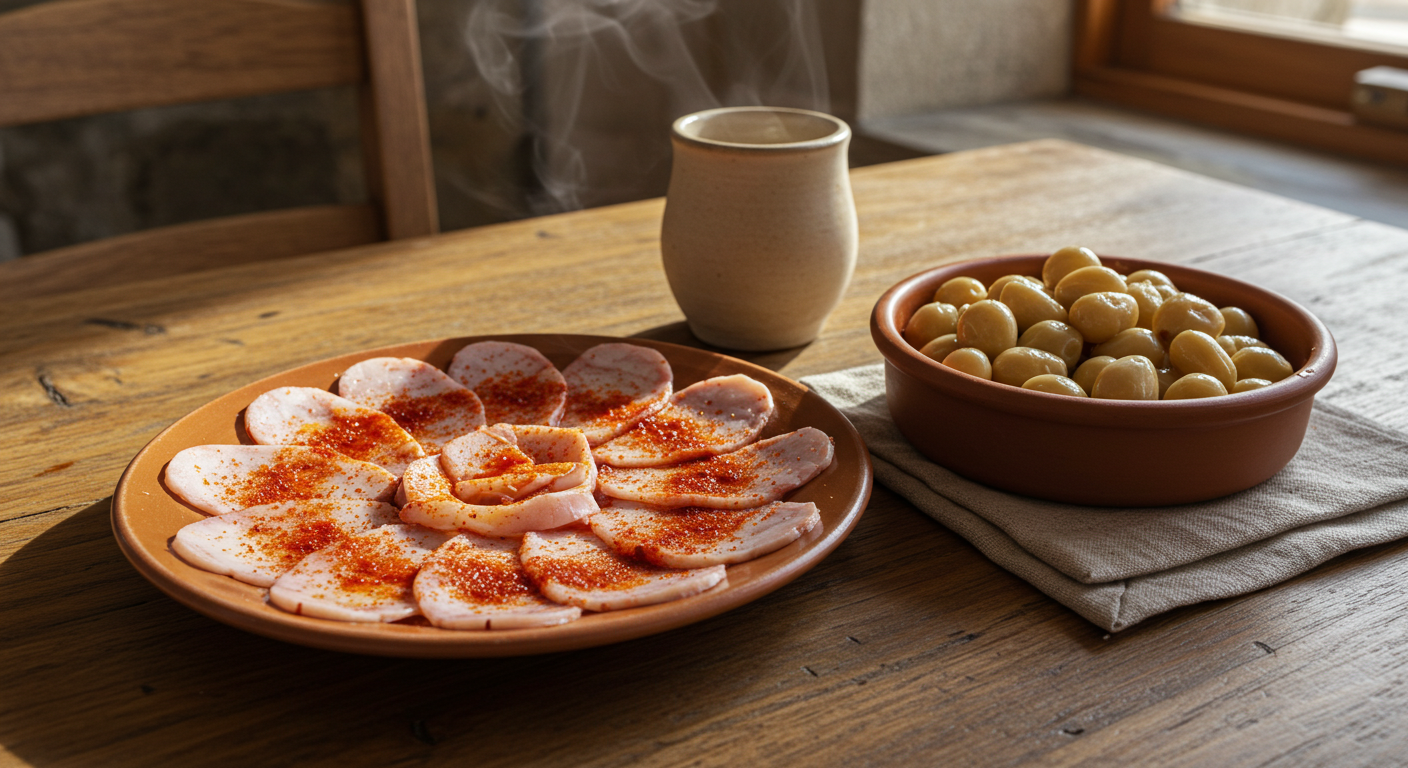
Boiled octopus, sliced over wooden boards, dressed with olive oil, coarse salt, and sweet or spicy pimentón. That's it. No reduction, no foam, no garnish. Pulpo a feira (or pulpo a la gallega in Castilian) is one of those dishes where the quality of the ingredient does all the work, and Galicia's octopus — much of it fished from local waters or sourced from Mauritania and frozen to tenderise it — is exceptional.
The classic place to eat it is a pulpería, and the most famous cluster is in Carballiño, a small inland town in Ourense province that holds an annual Festa do Pulpo every August. But you don't need to make a pilgrimage. In Santiago, Pulpería A Garnacha on Rúa do Franco does a solid version. In Vigo, walk the old town near the Casco Vello and you'll find half a dozen pulperías within two streets of each other.
Order it with a bowl of cachelos — boiled potatoes, always — and a cheap Ribeiro white wine served in a ceramic bowl, as tradition demands. Skip the fancy wine list in a pulpería. The house Ribeiro, slightly cloudy, acidic, low in alcohol, is exactly right.
Percebes: The Expensive One Worth Every Cent
Goose barnacles. They look prehistoric, they taste of pure sea, and they cost a lot. Expect to pay anywhere from €40 to €80 per 100g at a good restaurant, depending on the season and the source — though prices fluctuate significantly and are worth checking locally. The percebes from the Costa da Morte (the 'Coast of Death', named for its shipwrecks) are considered the best in the world. The percebeiros who harvest them do so by clinging to wave-lashed rocks at low tide. The danger is real; the flavour reflects it somehow.
To eat percebes properly: steam them briefly, crack the rubbery tube with your fingers, peel back the skin, and eat the flesh inside in one bite. The juice that runs down your wrist is part of it. They taste of cold Atlantic water, briny and clean. Do not squeeze lemon on them. Do not dip them in anything. Just eat them.
The best place to buy them is the Mercado de Abastos in Santiago de Compostela — a magnificent covered market off Rúa das Ameas that has been operating since the 18th century. Go on a Saturday morning. The fishwives on the outside stone stalls sell percebes, nécoras, and whatever else arrived that week. Some will let you taste. Buy a portion and eat them standing up outside with a €1.50 café con leche from the bar opposite. That's a better meal than most restaurants.
The Full Marisco Spread: What to Know Before You Order
A proper marisquería lunch in Galicia is a multi-act affair. Here's how it tends to go:
Navajas (razor clams) come first, usually grilled with a splash of white wine and garlic, or simply on the plancha. They're sweet and tender and cheap by Galician shellfish standards — around €8–12 for a generous plate.
Nécoras (velvet crabs) are small, intensely flavoured, and fiddly to eat. You need patience and a good bib. Order them boiled, crack them open, and suck out the meat and juices from every cavity. Messy and worth it.
Vieiras (scallops) are Galicia's other icon — they're literally the symbol of the Camino de Santiago. Baked in the shell with onion, breadcrumbs, and a little chorizo or jamón, they're rich and satisfying. Not the most delicate preparation, but it's the traditional one and it works.
Buey de mar (brown crab) is the big centrepiece dish at a serious marisco lunch. A good buey can weigh 1.5–2kg. You eat it cold, with mayonnaise, working through the claws and the body cavity methodically. It's not a quick lunch.
Mejillones (mussels) from the Rías Baixas — specifically from the bateas, the floating mussel platforms you see all over the Ría de Arousa — are plump, clean, and extremely cheap. A kilo of mussels, steamed open with white wine, costs around €6–8 at a decent restaurant. They're often an afterthought on a marisco menu; they shouldn't be.
The Rías Baixas: Where to Base Yourself for Seafood
If your trip is genuinely about eating well, the Rías Baixas — the four southern estuaries of Vigo, Pontevedra, Arousa, and Muros-Noia — is where to be. The town of O Grove on the Salnés peninsula is essentially a seafood resort. It's not pretty in a postcard way, but the marisquerías here are the real thing. Restaurante Beiramar on the waterfront is reliable and popular with Galicians rather than tourists. Restaurante Finisterre in Cambados, a few kilometres north, is another solid option.
Vigo is the largest fishing port in Spain and arguably in Europe by volume. The Mercado da Pedra near the port — actually an outdoor market on the steps leading to the old town — is where you buy oysters directly from the women who farm them in the Ría. €5 for a dozen, shucked on the spot, eaten with a squeeze of lemon and a plastic cup of Albariño from a nearby stall. It's one of the best food experiences in Spain and it costs almost nothing.
For a restaurant meal in Vigo, El Mosquito in the Casco Vello has been serving marisco since 1928. It's not cheap, but it's not a tourist trap either. The clientele is Galician, the portions are serious, and the fish tanks are full.
Santiago de Compostela: Eating Well Between Pilgrims
Santiago is tricky. The Rúa do Franco and Rúa da Raíña — the two main tourist restaurant streets leading to the cathedral — are largely to be avoided. The menus are fine but priced for people who've just walked 800km and can't face making decisions. The value isn't there.
Instead, go to the Mercado de Abastos first, as mentioned above, and then eat at the bars and small restaurants around the market perimeter. Abastos 2.0 is the exception to the tourist-street rule — a tiny, excellent restaurant that sources almost everything from the stalls inside the market. It's creative without being pretentious, and the tasting menus run around €55–70 per person. Book ahead; it fills up fast.
For a cheaper lunch, the neighbourhood of Sar, a ten-minute walk south of the cathedral, has several local bars serving set lunches (menú del día) with a fish course for €12–14. Nobody goes there by accident. That's the point.
Albariño: The Wine You Drink With All of It
Albariño from the Rías Baixas DO is the default white wine of Galicia and it's ideal with seafood — high acidity, stone fruit, saline finish, moderate alcohol. The best-known producers (Martín Códax, Pazo de Señorans, Fillaboa) are all good and widely available. A bottle in a restaurant costs €18–28 typically; in a supermarket, €8–14.
If you want to go deeper, ask for a Godello from Valdeorras — a different Galician grape, richer and more textural, which handles the buey de mar and heavier shellfish better than Albariño. Telmo Rodríguez's Gaba do Xil is worth seeking out.
And if you're in a pulpería, just drink the Ribeiro from the bowl. Some things aren't complicated.
Practical Notes for Getting There and Settling In
Galicia isn't the easiest region to reach on a budget. Vigo and Santiago both have airports, but flight connections are limited compared to Madrid or Barcelona. The train from Madrid to Vigo takes around 2h20 on the AVE (as of 2026), which is surprisingly quick and genuinely comfortable. From there, renting a car is the best way to cover the Rías Baixas properly — public transport between the smaller coastal towns is patchy.
If you're thinking about spending longer than a holiday here — and plenty of people do, drawn by the low cost of living, the pace, and the food — Galicia is one of the more affordable corners of Spain. Renting a flat in Vigo costs a fraction of what you'd pay in Madrid or Barcelona, though the paperwork process of establishing yourself is the same anywhere in Spain. If you're relocating and need to sort your residency documentation, the Spanish Digital Nomad Visa on Minimum Salary: Is It Worth It? piece covers one of the common routes for remote workers. And once you're here, getting registered and opening a bank account are early priorities — Open a Spanish Bank Account as a Non-Resident in 2026 walks through that process clearly.
For anyone in the early stages of paperwork — NIE, TIE, empadronamiento — the bureaucratic reality in Galicia mirrors the rest of Spain: appointments are scarce and patience is required. Cita Previa Extranjería: How to Get an Appointment When None Exist is the most useful starting point. If you're self-employed and working remotely while based here, Do You Need a Gestor to Register as Autónomo in Spain? is worth reading before you decide to go it alone.
The best thing about eating in Galicia is that the region doesn't need to try hard. The sea provides. Go to the market first, figure out what's fresh, then find a table. That order of operations works every time.
Frequently asked questions
- What is the best seafood to eat in Galicia, Spain?
- The standouts are pulpo a feira (boiled octopus with pimentón), percebes (goose barnacles from the Costa da Morte), nécoras (velvet crabs), vieiras (baked scallops), and fresh mussels from the Rías Baixas. For the most authentic experience, visit a local market like Vigo's Mercado da Pedra or Santiago's Mercado de Abastos rather than heading straight to a restaurant.
- How much do percebes cost in Galicia?
- Percebes are expensive and prices vary with the season and source. In restaurants, expect to pay roughly €40–80 per 100g for quality percebes from the Costa da Morte. At markets, prices can be lower but still significant. They're a treat, not an everyday order.
- Where is the best place to eat pulpo a feira in Galicia?
- Carballiño in Ourense province is the traditional heartland, with dozens of pulperías and a famous annual festival in August. In Santiago de Compostela, the streets around the Mercado de Abastos have reliable options. In Vigo, the Casco Vello neighbourhood has several good pulperías within a short walk of each other.
- What wine should I drink with Galician seafood?
- Albariño from the Rías Baixas DO is the classic choice — high acidity and a saline edge that works well with shellfish. For richer dishes like buey de mar (brown crab), try a Godello from Valdeorras. In a pulpería, order the house Ribeiro served in a ceramic bowl, as tradition dictates.
- Is O Grove or Vigo better for a seafood trip in Galicia?
- Both are excellent but different. O Grove is a small town almost entirely focused on seafood, with marisquerías that cater mainly to Galicians — it's the more immersive experience. Vigo is a large city with the Mercado da Pedra oyster market and established restaurants like El Mosquito. If you can, visit both — they're about 45 minutes apart by car.
- When is the best time of year to eat seafood in Galicia?
- Autumn (September to November) is generally considered peak season for Galician shellfish — percebes, nécoras, and buey de mar are at their best. Summer is busy and prices rise. That said, the seafood is good year-round; the Rías Baixas produce mussels continuously, and pulpo a feira is always available.
- Can I buy fresh seafood at markets in Galicia to cook myself?
- Absolutely, and it's one of the best ways to eat here. The Mercado de Abastos in Santiago and the Mercado da Pedra in Vigo both sell fresh shellfish directly. If you're staying in self-catering accommodation, buying mussels or clams and steaming them yourself is extremely cheap — a kilo of mejillones from a market stall costs €3–5. Percebes and nécoras can also be bought raw and cooked at home with just boiling salted water.