Can You Swim in the Sea in Spain in October?
Sea temperatures and the best coasts for swimming in Spain in October — from the Canaries to Catalonia, with real water temps and honest advice.
Can You Swim in the Sea in Spain in October?
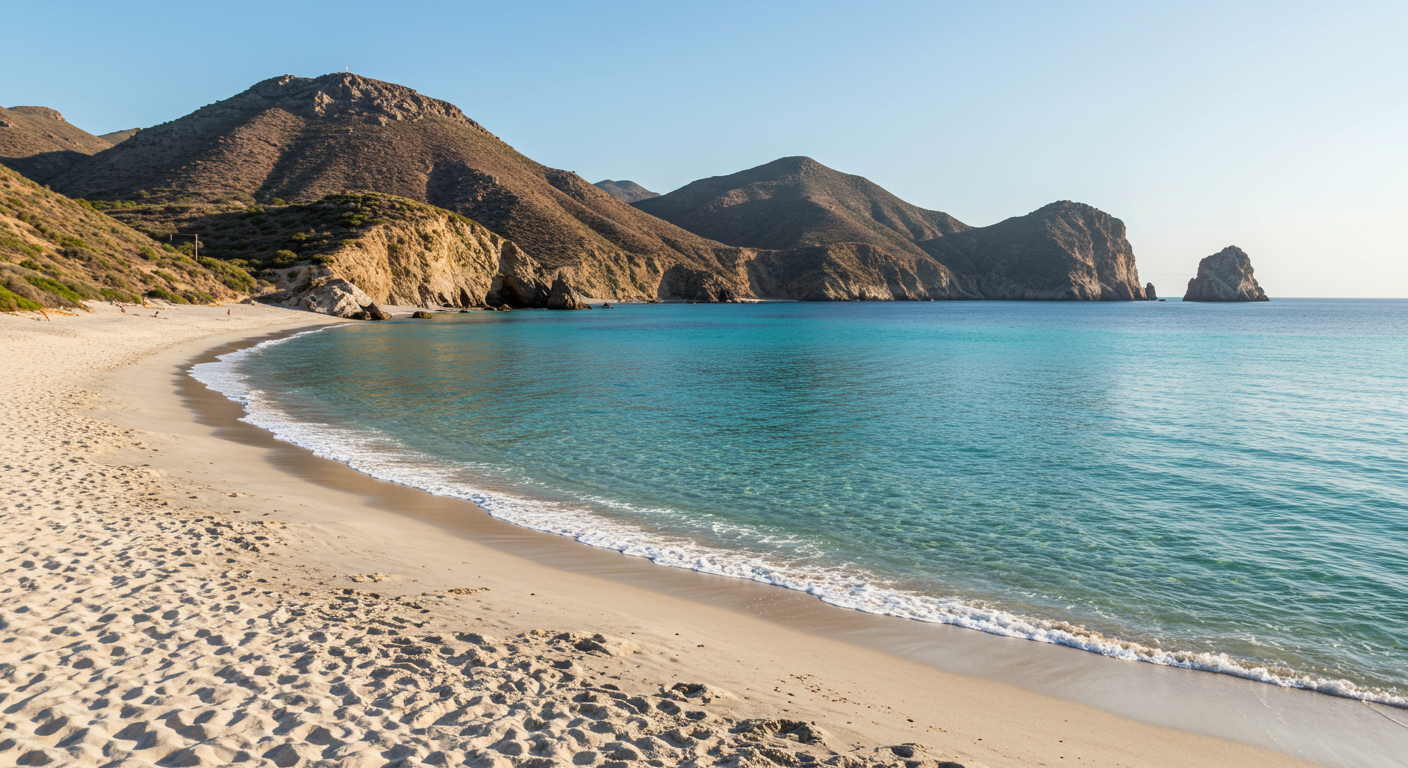
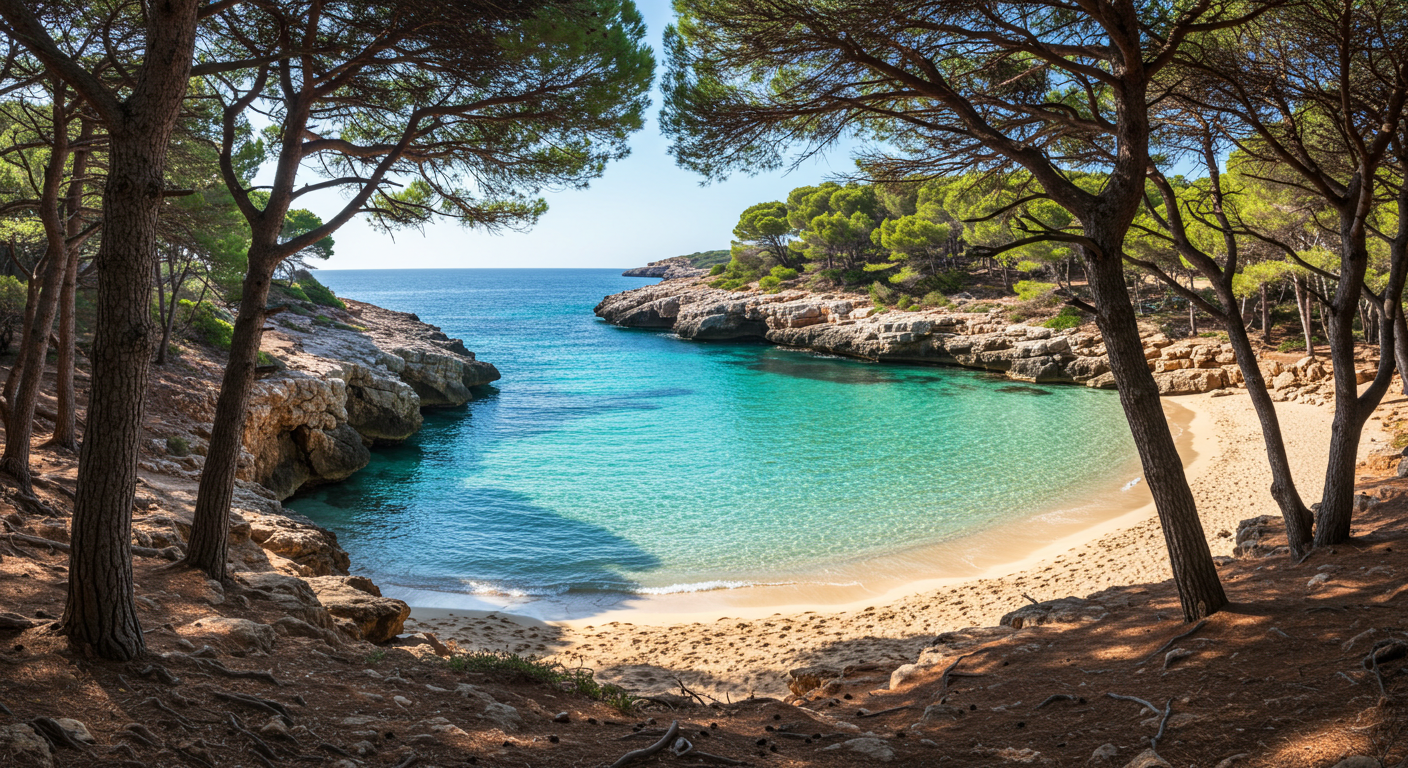
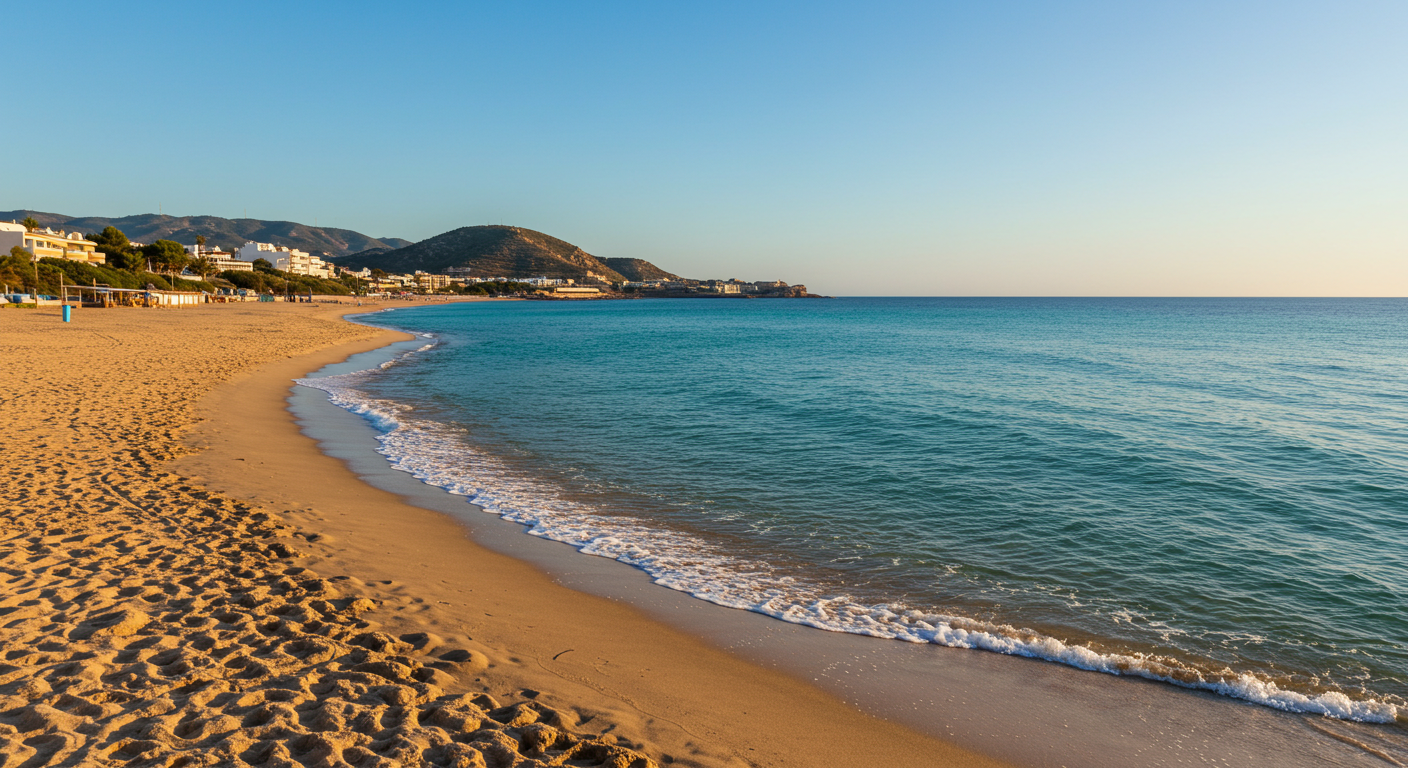
Short answer: yes, in quite a few places — but it depends enormously on which coast you're standing on. The Atlantic north is essentially done by mid-September. The Mediterranean is still very swimmable in early October and often into the third week. The Canary Islands are warm enough to swim every single month of the year. If you're planning a late-season trip specifically for sea swimming, the coast you choose matters more than almost any other decision you'll make.
To give you hard numbers: Mediterranean water temperatures around the Costa del Sol and Costa Blanca typically sit between 22°C and 24°C in early October, dropping to around 20°C by the end of the month. The Canaries hover between 22°C and 24°C year-round, barely shifting. The Galician and Basque coasts, by contrast, are already down to 16–17°C in October — swimmable for the hardy, but most people will find that a bit grim.
How Sea Temperature Works Around Spain's Coasts
Spain has three very different bodies of water lapping at its edges, and they behave completely differently.
The Mediterranean — which covers the Costa Brava, Costa Dorada, Costa Blanca, Costa Cálida, and Costa del Sol — is a semi-enclosed sea that warms up slowly through summer and cools down slowly in autumn. That thermal lag is your friend in October. The sea was absorbing heat all through July and August; it doesn't give it up quickly. You're essentially swimming in the residual warmth of summer.
The Atlantic coast — Galicia, Asturias, Cantabria, the Basque Country — is a different beast. The open Atlantic is colder, choppier, and loses its summer warmth faster. There are spectacular beaches up there (Playa de las Catedrales in Galicia, Zarautz in the Basque Country), but October swimming is a commitment rather than a pleasure.
And then there are the Canary Islands, sitting off the coast of West Africa at roughly the same latitude as Morocco. The water temperature there is governed by the Canary Current, which actually keeps things slightly cooler than you might expect in midsummer — around 22–23°C — but also means the sea never really gets cold. October is frankly one of the best months to visit Lanzarote, Fuerteventura, or Gran Canaria. Fewer crowds than August, warm water, warm air.
The Balearics — Mallorca, Menorca, Ibiza, Formentera — sit in the western Mediterranean and follow similar patterns to the mainland Med coast. Early October is genuinely good. By the end of October the water is cooling noticeably and many hotels have already closed for the season, which can make logistics awkward.
The Best Coasts for Swimming in October, Ranked Honestly
1. The Canary Islands
The clear winner for October sea swimming. Lanzarote and Fuerteventura in particular are flat, sun-drenched, and uncrowded once the German and Scandinavian summer crowds have thinned out. Water around 22–23°C. Air temperature still hitting 26–28°C on a good day. Playa de Sotavento on Fuerteventura is one of the finest beaches in Europe by any measure — a vast lagoon that's ideal for calm-water swimming. Gran Canaria's Maspalomas has the infrastructure if you want resort comforts. Tenerife is fine but frankly a bit overdeveloped around Playa de las Américas; Los Gigantes or the northeast (around Taganana) is more interesting.
One caveat: the Canaries can have strong Atlantic swells, and some beaches that look calm in photos have serious currents. Always check the flag system and don't ignore a red flag because the water looks inviting.
2. Costa del Sol and Costa de la Luz (Cádiz side)
The Costa del Sol — Málaga province, running from Nerja through Torremolinos to Estepona — is reliably warm in October. Water temperatures of 22–23°C in the first two weeks of the month. The beaches are wider and less crowded than in summer, which is genuinely one of the best things about October. Nerja's Playa Burriana is lovely; Maro, just east of Nerja, even more so. Skip the central Torremolinos strip — it's not offensive but there's nothing there that isn't better somewhere else.
The Cádiz coast (Costa de la Luz, Atlantic side) is slightly cooler and windier — around 20–21°C in October — but has some of the most beautiful beaches in the country. Bolonia, Zahara de los Atunes, and Conil are all exceptional. The wind is a constant factor; it comes in off the Atlantic and can be relentless some days. That said, the light in Cádiz in October is extraordinary, and the province is worth it for the food alone.
3. Costa Blanca and Murcia
Alicante province and the Mar Menor area around Murcia often get overlooked in favour of the trendier coasts, but October is actually their sweet spot. The Mar Menor — a shallow lagoon — warms up more than the open sea and holds its temperature well into autumn. Prices are lower than the Balearics or Costa del Sol. Dénia, Altea, and the northern Costa Blanca around Xàbia (Jávea) are genuinely attractive — less plastic resort, more real town. If you're considering a longer stay in the Valencia region, the Cost of Living in Valencia as a Couple in 2026: Real Monthly Budget piece gives a useful financial picture.
4. The Balearic Islands
Early October — the first two weeks — is still excellent. Mallorca's Cala Mondragó, Cala Figuera, and the beaches around Sóller are all beautiful and far calmer than in August. Menorca is particularly good: much of the island closes down in late October, so get there in the first half of the month. Water around 23°C in early October, dropping to 20°C by the end.
The practical issue with the Balearics in late October is that flights thin out, ferries reduce their schedules, and a surprising number of restaurants and accommodation options close entirely. Not a problem if you plan around it, but worth knowing.
5. Costa Brava and Catalonia
Beautiful coastline — the area around Cadaqués and Cap de Creus is genuinely extraordinary — but the water cools faster here than further south. Around 20–21°C in early October, down to 18–19°C by the end of the month. Swimmable, but brisk. The Costa Brava also gets the Tramuntana wind, which can make October feel more like November on a bad week. That said, the light and the landscape in autumn are worth it even if you only dip in briefly.
6. Galicia and the Atlantic North
Honestly, October swimming here is for people who enjoy cold water. The Rías Baixas and the beaches around A Coruña are spectacular — Praia de Rodas on the Cíes Islands is frequently cited as one of Europe's finest beaches — but the water is around 16–17°C and the Atlantic can be rough. If you go to Galicia in October (and you should go to Galicia at some point — the food alone justifies it), go for the landscape, the seafood, the green hills, and the eerie light. Don't go primarily to swim.
Month-by-Month: When Each Coast Peaks for Swimming
This is a rough guide based on typical water temperatures — individual years vary.
- June: Mediterranean coast (18–20°C, just warming up), Canaries fine
- July–August: All Mediterranean coasts excellent (24–26°C), Canaries warm, Atlantic north tolerable (18–19°C)
- September: Mediterranean at its warmest (25–26°C), Atlantic starting to cool
- October: Mediterranean still good (20–23°C), Canaries ideal, Balearics early month only, Atlantic north too cold for most
- November onwards: Canaries only, really. Mediterranean technically swimmable but increasingly chilly.
Practical Things Nobody Mentions
Water temperature is one thing; the experience around it matters too. A few things worth knowing for October specifically.
Jellyfish. October can see an increase in jellyfish on the Mediterranean coasts, particularly after summer storms push them toward shore. The medusa luminiscente (mauve stinger) is the one to watch for — it has a genuinely painful sting. Check locally before swimming; beach attendants will usually know, and most Spanish beach communities post jellyfish warnings. It's not a reason to avoid swimming, just something to be aware of.
Beach facilities. Many chiringuitos (beach bars) close in October, often from the first weekend of the month. On the Costa del Sol and Costa Blanca, the main resort beaches keep facilities longer. On smaller, wilder beaches — particularly in Andalusia and the Balearics — you might find the bar closed, the showers turned off, and the sunbed rental gone. Bring water and shade if you need it.
Crowds — or the absence of them. October is genuinely one of the best months to experience Spain's beaches. The summer crush is gone. Parking is easy. You can actually see the sand. Prices for accommodation drop significantly — a decent apartment in Nerja that costs €150/night in August might be €60–70 in October. If you're thinking about a longer slow-travel stay, it's worth reading about living in Spain without speaking Spanish to understand which coastal towns are genuinely functional for non-Spanish speakers.
Sunset times. Spain keeps summer time until the last Sunday of October, so evenings are still long in early October — sunset around 7:30–8pm on the Mediterranean coasts. By the end of the month, after the clocks change, it's dark by 6:30pm. Plan beach afternoons accordingly.
A Note for People Thinking of Staying Longer
October sea temperatures are one of the things that tips many visitors into considering a longer stay or even a move to Spain. If that's you — if you're looking at the Canaries or the Costa del Sol in autumn and thinking "I could live here" — the practicalities are more involved than they look from a sun lounger. The visa route matters, the cost of living varies hugely by location, and the question of healthcare before you're properly registered is worth understanding early. The Convenio Especial is one option many longer-term residents use to access the Spanish health system before they're fully set up.
October is a fine month to test a place out. The real Spain — not the summer-tourist version — is more visible when the crowds have gone.
If you're choosing between coasts purely for the swimming: book the Canaries for guaranteed warmth, the Costa del Sol for the easiest logistics, and the Balearics only if you go in the first half of the month. Everything else is a bonus.
Frequently asked questions
- What is the average sea temperature in Spain in October?
- It varies by coast. The Mediterranean (Costa del Sol, Costa Blanca, Balearics) averages 20–23°C in October, warmest in early October and cooling toward the end of the month. The Canary Islands hold steady at around 22–23°C. The Atlantic north (Galicia, Basque Country) drops to around 16–17°C in October.
- Is October a good time to visit the Canary Islands for swimming?
- Yes — arguably one of the best months. The summer crowds have largely left, prices are lower, and the water temperature barely changes year-round (22–23°C). Fuerteventura and Lanzarote in particular are excellent in October.
- Can you swim in Mallorca in October?
- In early to mid-October, yes — water temperatures are around 22–23°C and the weather is still warm. By late October the sea cools to around 20°C and many hotels, restaurants, and beach facilities close for winter. Aim for the first two weeks of the month for the best experience.
- Is the sea warm enough to swim in Málaga in October?
- Generally yes. The Costa del Sol around Málaga typically sees sea temperatures of 21–23°C in early October, dropping to around 20°C by month's end. Most people find this perfectly comfortable for swimming, especially on calm sunny days.
- Which Spanish coast has the warmest sea in October?
- The Canary Islands consistently have the warmest swimmable sea in October, at around 22–23°C. Among mainland and island coasts, the Costa del Sol and Costa Blanca are the warmest Mediterranean options, typically 21–23°C in the first half of October.
- Are there jellyfish on Spanish beaches in October?
- Jellyfish can be more noticeable on Mediterranean beaches in October, particularly after summer storms. The mauve stinger (medusa luminiscente) is the most common stinging variety. Check locally before swimming — beach staff usually know, and many municipalities post warnings when jellyfish are present.
- Is Galicia worth visiting in October even if you can't swim?
- Absolutely. The Atlantic water around Galicia is around 16–17°C in October — cold for most people — but the region is worth visiting for its dramatic coastline, exceptional seafood (particularly the Rías Baixas), and the moody autumn light. Just don't make swimming the main event.