A Slow Guide to Málaga: Museums, Beaches and Picasso's City
How to spend a week in Málaga slow travel style — from Picasso's birthplace and the Pompidou to Pedregalejo's chiringuitos and the city's quietly brilliant food scene.
Málaga gets undersold as a gateway city — somewhere you land, pick up a hire car, and leave. That's a shame, because the place has been quietly reinventing itself for twenty years and is now, by almost any measure, the most culturally interesting city on the Costa del Sol. Spend a week here at a slow pace and you'll see why long-termers from Granada and Sevilla are increasingly choosing it over their own cities.
If you're working out how to spend a week in Málaga slow travel style — rather than sprinting between landmarks — the short answer is: anchor yourself in El Centro or Soho, walk the compact historic core in the mornings, hit the beach by early afternoon, and save your evenings for the tapas bars around Calle Carretería and Calle Granada. That rhythm gets you the best of what this city actually offers. The detail, of course, is worth expanding on.
The City Picasso Actually Knew
Pablo Ruiz Picasso was born at Plaza de la Merced 15 on 25 October 1881. The house is now the Fundación Picasso, and it's worth an hour of anyone's time — not because it's crammed with masterworks (it isn't), but because it's genuinely well-curated and gives you a real sense of the bourgeois Andalusian household he grew up in. Entry is around €3 as of 2026, which makes it one of the better-value cultural stops in the city.
The Museo Picasso Málaga, a ten-minute walk away on Calle San Agustín, is the bigger draw. It holds around 200 works donated by his family — paintings, drawings, ceramics, sculpture — and the building itself, the Palacio de Buenavista, is 16th-century and worth the entrance fee alone. Go on a Tuesday morning when it opens at 10am and the school groups haven't arrived yet. Tickets run roughly €12 full price; book online to skip the queue.
What many visitors miss is simply walking the Barrio del Centro with these two sites as loose anchors. The streets between Plaza de la Merced and the cathedral — Calle Compañía, Calle Santa María, the cathedral square itself — are pleasant and relatively unhurried compared to the tourist-facing drag along the port. The cathedral is half-finished, famously, because building funds were diverted to support the American Revolution. One tower, no spire. It's been called La Manquita — the one-armed lady — ever since.
The Museum Quarter That Snuck Up on Everyone
Málaga now has more museums per capita than almost any city in Spain — a statistic worth verifying independently, but locals will tell you it's true and the evidence on the ground supports it. The city's Soho district, south of Calle Córdoba, hosts the Centre Pompidou Málaga, which is the only Pompidou satellite outside France. It opened in 2015, occupies a glass cube under the Puente de Tetuán, and rotates works from the Paris collection every few years. The current hang (as of early 2026) includes pieces by Frida Kahlo and Francis Bacon alongside strong French postwar work. Entry is €9; free on Sunday afternoons after 4pm.
A short walk east along the port brings you to the Museo Carmen Thyssen, which focuses on 19th-century Andalusian painting — costumbrismo, bullfighting scenes, flamenco dancers caught in lamplight. It's not fashionable, but it's genuinely absorbing if you want to understand the visual culture of the region. And the building, a restored 16th-century palace on Plaza Carmen Thyssen, is beautiful in the way that Málaga's repurposed aristocratic mansions often are.
Skip the Museo Automovilístico unless you have a specific interest in vintage cars and couture fashion. The combination sounds intriguing; in practice it's sprawling and loses the thread quickly.
The Beach Question: Where to Actually Go
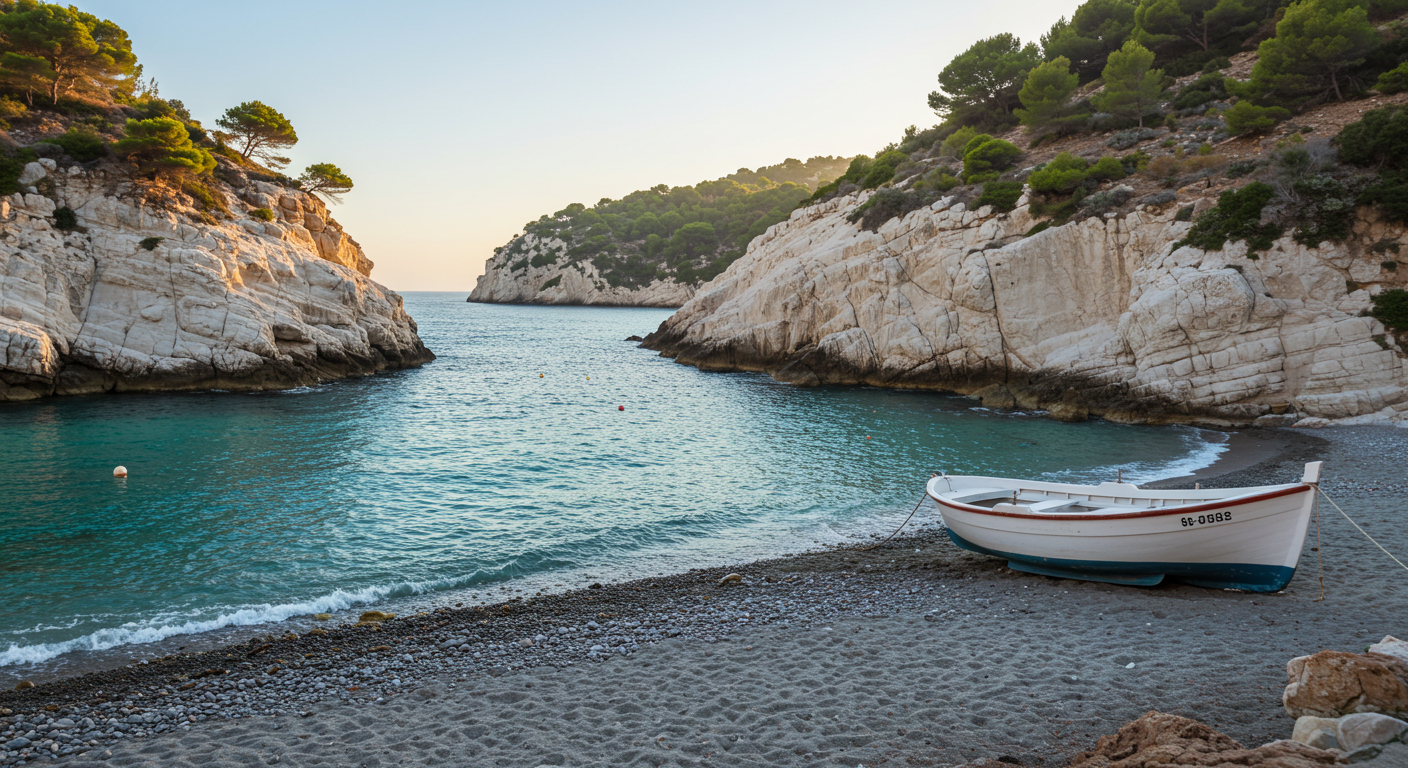
Málaga city has its own beaches — La Malagueta is the main urban strand, a 10-minute walk from the cathedral — but they're not the reason to come here. La Malagueta is fine for a swim and a cold Alhambra beer at one of the chiringuitos, but the sand is dark grey volcanic grit and the beach fills quickly in summer.
The better move is to take the commuter train (the Cercanías C1 line, departing from Málaga Centro-Alameda) eastward to Pedregalejo or El Palo. These are old fishing neighbourhoods that the gentrification wave has touched lightly — there are still working boats on the beach, and the chiringuito culture here is genuine rather than performed. Espetos de sardinas (sardines grilled on a cane skewer over an open fire on the beach) originated in this stretch of coast and are still done properly here. You'll pay around €7–9 for a skewer of six, and they arrive with nothing more than a wedge of lemon. That's the point.
For a broader look at what the Andalusian coast offers beyond the city, the best beaches in Spain for summer 2026 piece covers the full picture including some quieter options east of Málaga toward Nerja.
Food: What to Order and Where to Find It
Málaga has its own culinary identity that gets overshadowed by the Costa del Sol's international restaurant scene. The local anchovy — boquerones — is a different creature from what you'll find in Madrid. Here they're served either fried (boquerones fritos, in a light flour coating) or en vinagre (marinated in white wine vinegar until white). Both are non-negotiable at least once.
Ajoblanco is the city's own cold soup — almond, garlic, bread, olive oil, a splash of sherry vinegar, topped with Málaga raisins and a drizzle of local olive oil. It predates gazpacho and is arguably more interesting. Order it as a starter anywhere on Calle Granada or in the market bars inside the Mercado Central de Atarazanas.
The Atarazanas market itself, on Calle Atarazanas near the Alameda, is worth a morning visit. The building has a 14th-century Nasrid arch at its entrance — the last remaining piece of the medieval Moorish arsenal — and inside it's a working food market with excellent fish, cheese, and charcutería stalls. The bar at the back does tapas and a cold beer for under €4 at lunchtime. Don't come for the tourist-facing stalls near the entrance; push through to the middle.
For wine: Málaga produces its own DOP wines, most of them sweet and made from Moscatel or Pedro Ximénez grapes grown on steep schist slopes north of the city in the Axarquía. Bodegas Quitapenas and Bodegas Málaga Virgen both have good ranges, and you'll find bottles in the market and in any decent wine shop. The dry white wines from the Sierras de Málaga subzone are less well-known and worth seeking out — look for anything from Bodega Bentomiz or Jorge Ordóñez's Botani range.
The Alcazaba and the View You Actually Want
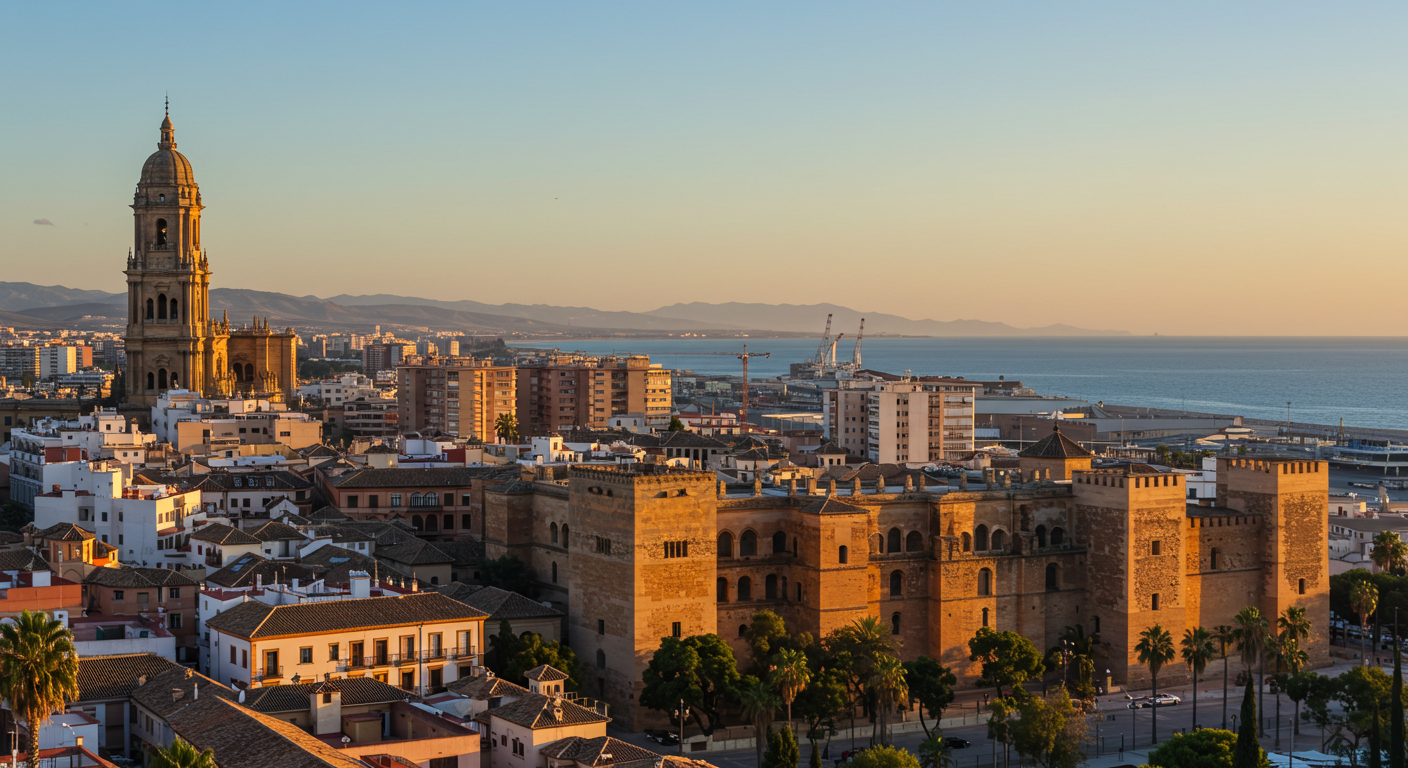
Málaga's Alcazaba is a Moorish fortress built in the 11th century on the ruins of a Roman theatre — you can see the theatre's semicircular seating at the base of the hill, partially excavated and still used for outdoor performances in summer. The Alcazaba itself is compact, well-restored, and gives you good views over the port. Entry is €3.50.
The Castillo de Gibralfaro above it is worth the uphill walk — 30 minutes on foot from the Alcazaba, or there's a bus — purely for the panorama: the bullring, the port, the cathedral tower, the sea. Go in the late afternoon when the light is flat gold and the temperature drops a degree or two. There's a small parador hotel at the top if you want to make a night of it, though it books up quickly in spring.
Staying: Where to Base Yourself
El Centro, the historic core, is the obvious choice and the right one for first-timers. The streets are walkable, the noise level is manageable outside of weekend nights, and you're within 15 minutes on foot of almost everything mentioned in this piece.
Soho, just south of Calle Córdoba, is where the younger, more design-conscious accommodation sits — boutique hotels in converted buildings, a few good coffee shops, and the street art that's been accumulating since the city invested in the district's regeneration around 2012. It's also quieter at night.
If you're thinking about Málaga as a longer-term base rather than a holiday stop — and an increasing number of remote workers and retirees are — the city's infrastructure for new residents is reasonably solid. You'll want to get your empadronamiento sorted early; if you're relocating from outside Spain, the NIE and TIE process is your first bureaucratic hurdle. For those arriving with families, the moving to Spain with family guide covers the school and logistics side of things in useful detail.
Getting the Pace Right
The mistake most visitors make is treating Málaga like a day trip from the resort towns — arriving mid-morning, doing the Picasso museum, eating paella somewhere near the port, and leaving by four. That version of the city is thin. The better version requires slowing down: lingering over a second coffee at one of the small cafés off Plaza de la Merced, taking the Cercanías out to Pedregalejo on a Wednesday afternoon when it's half empty, spending a morning in the Atarazanas market without an agenda.
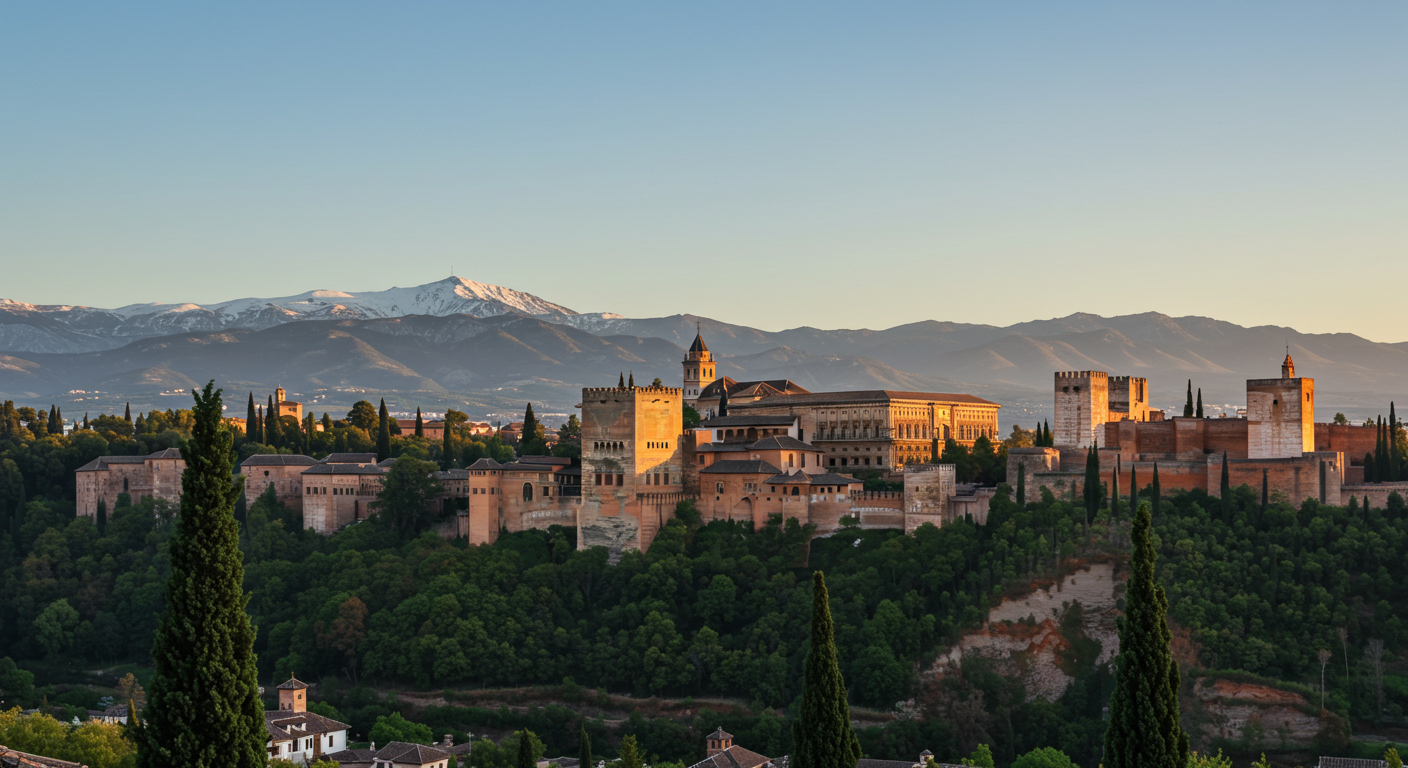
If you've already done Granada and want to compare the two Andalusian experiences, the slow travel guide to Granada is worth reading alongside this one — the cities are two hours apart by bus and complement each other well.
Málaga rewards the unhurried. Give it a week, spend less than you'd spend in Sevilla, and you'll leave wondering why you didn't come sooner.
Frequently asked questions
- How many days do you need in Málaga to see it properly?
- Four to five days is the honest minimum if you want to cover the main museums (Picasso, Pompidou, Thyssen), spend time at the beach, and eat your way through the local food scene without rushing. A full week lets you add day trips to Ronda or Nerja and still have slow mornings in the city.
- Is Málaga worth visiting outside of summer?
- Absolutely — arguably more so. Spring (March to May) and autumn (September to November) bring temperatures in the mid-20s°C, far fewer crowds, and lower accommodation prices. The Semana Santa processions in Málaga are among the most theatrical in Andalusia. Winter is mild, rarely below 12°C, and the city functions normally rather than going into tourist hibernation.
- Where are the best tapas bars in Málaga city centre?
- Calle Granada, Calle Carretería and the streets around Plaza de la Merced are the most reliable. Specifically: El Pimpi (touristy but genuinely good for local wine and atmosphere), Casa Lola on Calle Granada for traditional malagueño tapas, and the market bars inside Atarazanas for the best boquerones fritos in the city. Avoid the restaurants directly on the port — they're priced for cruise passengers.
- Can you swim in Málaga in October?
- Yes, comfortably. The Mediterranean sea temperature off Málaga in October is typically around 22–23°C — warmer than most British summer swimming spots. The beaches are significantly quieter than July and August, and the weather is usually dry and warm. It's one of the best months to visit if you want beach time without the crowds.
- How do you get from Málaga airport to the city centre?
- The Cercanías train (line C1) runs from the airport terminal directly to Málaga Centro-Alameda station in about 12 minutes, departing roughly every 20 minutes. A single ticket costs around €1.80 as of 2026. It's by far the easiest option. Taxis are around €20–25 depending on traffic. The airport bus (line A) is slower and less convenient unless your hotel is on its route.
- Is Málaga a good base for digital nomads?
- It's become one of the more popular choices in southern Spain — coworking spaces have proliferated in Soho and El Centro, the fibre broadband infrastructure is solid, and the cost of living is lower than Madrid or Barcelona. A decent one-bedroom flat in the centre runs roughly €900–1,200/month as of 2026, though prices have risen sharply in the last two years. Spain's Digital Nomad Visa is the relevant route for non-EU remote workers.
- What is the Pompidou Málaga and is it worth visiting?
- The Centre Pompidou Málaga is a satellite of the Paris Pompidou Centre, housed in a distinctive glass cube under the Puente de Tetuán on the port. It shows rotating works from the main Paris collection and is genuinely worth the €9 entry. It's not as large as the Paris original — you can cover it in 90 minutes — but the quality of individual works is high and it's rarely overcrowded outside peak summer weekends.