How to Access Public Healthcare in Spain as a Foreign Resident
How to register for public healthcare in Spain as a foreigner: SNS vs private insurance, what documents you need, and what to do before your TIE arrives.
How to Register for Public Healthcare in Spain as a Foreigner
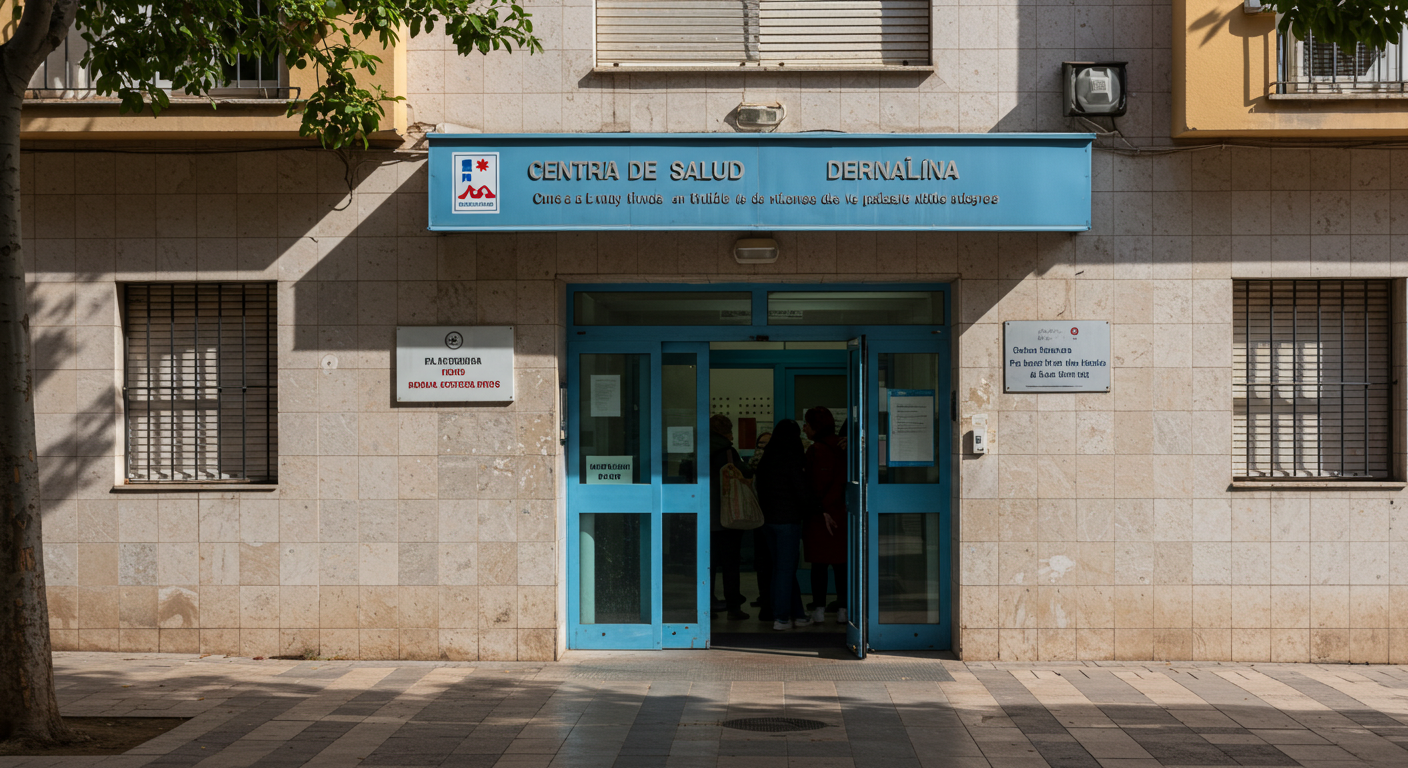
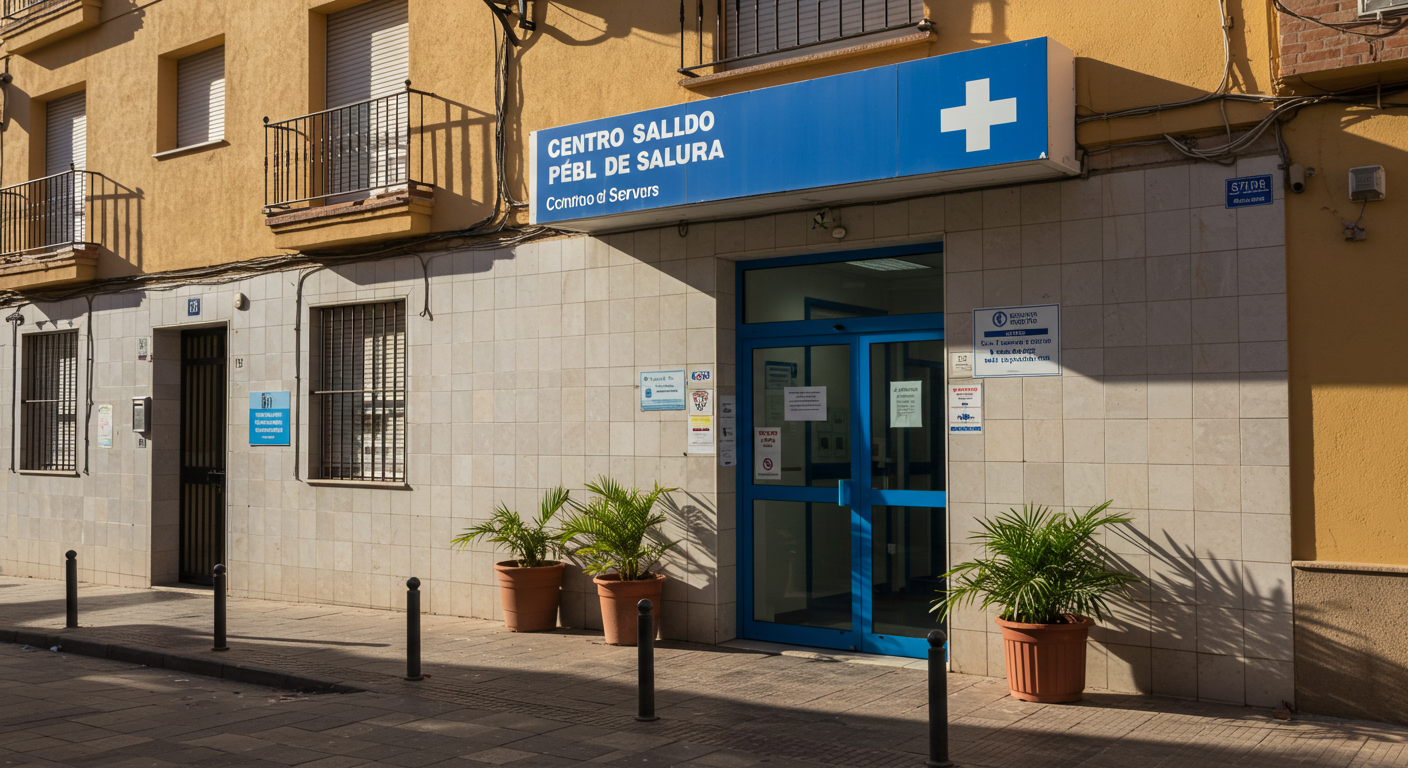
If you've just moved to Spain and you're wondering how to register for public healthcare as a foreigner, here's the short answer: once you have your empadronamiento (town hall registration), your NIE, and proof of legal residency or employment, you can register at your local health centre (centro de salud) and get a health card (tarjeta sanitaria individual, or TSI). That card gives you access to the Sistema Nacional de Salud (SNS) — Spain's public health system — at no cost at point of use. The catch is that not everyone qualifies automatically, and the route varies depending on your visa category and employment situation.
The longer version is considerably more complicated, and the stakes are high enough that it's worth getting right.
Who Actually Qualifies for the SNS
Spain's public health system is funded through social security contributions and general taxation. Access, broadly, falls into a few clear categories.
Employees and the self-employed paying into Spanish social security (Seguridad Social) are covered as a direct consequence of those contributions. If you're hired locally on a Spanish contract, your employer registers you from day one. If you're self-employed (autónomo), registering with Seguridad Social as part of your autónomo setup gives you the same right — one more reason to get that process sorted properly, and if you're unsure whether you need a gestor for it, this piece on registering as autónomo is worth a read.
EU/EEA citizens who aren't working but are exercising their right of residence need to demonstrate they have sufficient resources and, critically, that they have health coverage. For many, that means private insurance initially — but once you've registered and obtained your certificado de registro de ciudadano de la UE, you can sometimes access the SNS through the convenio especial or other routes depending on your autonomous community.
Non-EU residents on long-stay visas — including the Non-Lucrative Visa (NLV) and the Digital Nomad Visa — are typically required to hold private health insurance as a condition of the visa itself. The digital nomad visa in particular mandates comprehensive private coverage. That requirement doesn't disappear once you arrive; it's checked at renewal. If you're on the digital nomad route, this article on the minimum salary requirements also covers the insurance angle.
Minors and certain vulnerable groups have broader access regardless of the parents' status — children registered in Spain are entitled to healthcare.
One thing that trips people up: arriving in Spain with a visa but before your TIE is issued puts you in a grey zone for healthcare access. The situation is more nuanced than most people realise, and there's a dedicated piece on exactly that interim period that's worth reading before you land.
The Registration Process, Step by Step
Assuming you do qualify — you're working here, you're paying into social security, and you have your paperwork in order — the actual registration is refreshingly simple compared to most Spanish bureaucracy.
Step 1: Get your empadronamiento. This is your registration on the municipal census (padrón). Without it, nothing else moves. Your local ayuntamiento handles this, and you'll need proof of address — a rental contract is standard, though if you're in a situation without one, this guide on getting empadronado without a rental contract covers the workarounds.
Step 2: Have your NIE and residency documentation ready. Your NIE (foreigner's identification number) is mandatory. If yours is still in process, note that waiting times vary wildly by province — the realistic wait times for NIE appointments in 2026 are considerably longer in some cities than others.
Step 3: Go to your centro de salud. Walk in, or book a slot — most centres now have an administrative desk for new registrations. Bring your NIE, passport, empadronamiento certificate, and your Seguridad Social affiliation number (número de afiliación) if you have one. The staff will assign you a GP (médico de cabecera) and issue your TSI.
The TSI is regional. It's issued by your autonomous community's health service — SAS in Andalusia, CatSalut in Catalonia, SCS in the Canary Islands, and so on. Moving regions means re-registering, which is annoying but straightforward.
SNS in Practice: What You Actually Get
The SNS is genuinely good. GP visits, specialist referrals, hospital treatment, emergency care, maternity — all covered. Prescriptions are subsidised, though not free: you pay a percentage based on income, capped at around €18 per month for pensioners and those on low incomes, with higher earners paying up to 60% of the drug cost (as of 2026 — check the current aportación rates, as they're adjusted periodically).
The honest caveat: waiting times for non-emergency specialist appointments can be long, particularly in regions with stretched health services. A referral to a dermatologist or an orthopaedic consultant can mean waiting months in some provinces. This is where private insurance earns its keep, even for people who have SNS access.
Dental care is largely not covered. Basic extractions, yes. Fillings, orthodontics, implants — no. Most residents, Spanish or foreign, pay privately for dental work or take out a supplementary dental plan.
Private Health Insurance: When It's Mandatory and When It Just Makes Sense
For visa holders who don't qualify for the SNS — NLV, digital nomad visa, student visas — private insurance isn't optional. The Spanish consulate requires proof of coverage before issuing the visa, and coverage must be comprehensive: no co-payments, no exclusions for pre-existing conditions in some cases, valid in Spain. Sanitas, Adeslas, Asisa, and DKV are the four main Spanish insurers. AXA and Cigna operate here too, though with different network models.
For an individual in their 30s with no significant medical history, expect to pay roughly €60–€100/month for a mid-range Sanitas or Adeslas policy as of 2026. Prices climb steeply with age — someone in their 50s might pay €150–€220/month for equivalent cover. Always read what's excluded in year one; pre-existing conditions are often excluded for the first twelve months.
The Convenio Especial is a separate, often overlooked option: it lets certain residents pay into the SNS voluntarily at a flat monthly rate (around €60 for those under 65, roughly €157 for those over 65, as of recent figures — the full breakdown is here). It's particularly relevant for EU citizens who don't qualify automatically but want public rather than private coverage.
Even if you have SNS access, a supplementary private policy (seguro de salud complementario) costing €30–€60/month can buy you direct specialist access without GP referral, faster appointments, and private hospital rooms. Many long-term residents use both: SNS for serious or chronic care, private for the speed and convenience.
Regional Variations Worth Knowing
Health policy in Spain is devolved to the 17 autonomous communities, which means the rules around access — particularly for EU citizens not in employment — vary more than the official guidance implies.
Catalonia and the Basque Country have historically been more expansive in granting SNS access to residents who fall between categories. Andalusia has a Decreto that extends coverage to uninsured residents who've been registered in the region for a certain period. The Canary Islands and Balearics, which absorb large numbers of foreign residents, have well-worn administrative paths for registration.
If you're in a province where the system is less clear, a local gestor or a Spanish-speaking expat community forum (the Facebook groups for your specific area are often startlingly useful for this) can tell you what's actually happening on the ground versus what the regulation says in theory.
The Bit Nobody Tells You About
Your TSI doesn't automatically transfer if you move within Spain. You'll need to re-register at a new centro de salud in your new area, update your empadronamiento, and potentially wait for a new card. It's not dramatic, but it's an admin task that catches people out.
Also: emergency care in Spain is available to everyone regardless of insurance status or documentation. If you need an ambulance or walk into an urgencias department, you will be treated. The billing situation for undocumented or uninsured people is complicated and varies, but no Spanish hospital will turn away someone in a genuine emergency.
If you're still sorting your NIE and worried about the wait — and in Madrid or Barcelona, the wait can be genuinely painful — this piece on what to do when no cita previa slots exist has practical tactics for the queue-jumping grey market that nobody officially acknowledges but everyone uses.
Getting registered for healthcare here is one of those tasks that sounds complicated and turns out to be, once you have your empadronamiento and NIE sorted, an hour at the health centre. The hard part is getting to that point — and being clear-eyed about whether your visa category actually entitles you to the SNS or whether private cover is where you'll stay.
Frequently asked questions
- Can I access Spanish public healthcare before I have my TIE?
- It depends on your situation. If you're employed in Spain and registered with Seguridad Social, you can apply for a TSI health card even before your TIE is issued, using your NIE and empadronamiento. If you're on a non-lucrative or digital nomad visa, you're required to maintain private health insurance and won't qualify for the SNS during that visa period regardless of TIE status.
- Does the Spanish public health system cover dental treatment?
- Only very basic dental care — emergency extractions, for example — is covered by the SNS. Routine fillings, orthodontics, implants, and most dental work is paid privately. Many residents take out a low-cost supplementary dental plan (often €10–€25/month) to cover routine care.
- What documents do I need to register for a Spanish health card (TSI)?
- Typically: your NIE, valid passport or ID, empadronamiento certificate (dated within the last three months), and your Seguridad Social affiliation number if you're registered as an employee or autónomo. The exact requirements can vary slightly by autonomous community.
- Is private health insurance in Spain expensive for foreigners?
- For a healthy person in their 30s, a decent individual policy with one of the main Spanish insurers (Sanitas, Adeslas, Asisa) runs roughly €60–€100/month as of 2026. Prices increase significantly with age. Always check exclusions for pre-existing conditions in the first year of cover.
- What is the Convenio Especial and who is it for?
- The Convenio Especial is a voluntary contribution scheme that allows certain residents who don't automatically qualify for the SNS to pay into the public system at a flat monthly rate — around €60/month for those under 65. It's useful for EU citizens exercising free movement rights who aren't in employment, and for others who prefer public over private coverage.
- Do I need to re-register for healthcare if I move to a different region in Spain?
- Yes. Your TSI health card is issued by your autonomous community's regional health service. If you move from, say, Andalusia to Valencia, you'll need to update your empadronamiento and register at a new centro de salud in your new area to be assigned a local GP and receive a new card.
- Can I use both the public SNS and private insurance at the same time in Spain?
- Yes, and many residents do exactly this. Having SNS access covers you for serious illness, hospital treatment, and chronic care, while a supplementary private policy (often €30–€60/month) gives you direct specialist access and faster appointments without a GP referral. It's a practical combination rather than an either/or choice.