How to Register for Public Healthcare in Spain as a Foreign Resident
A practical guide to registering for public healthcare in Spain as a foreign resident — what documents you need, who qualifies, and when private is worth it.

How to Register for Public Healthcare in Spain as a Foreign Resident
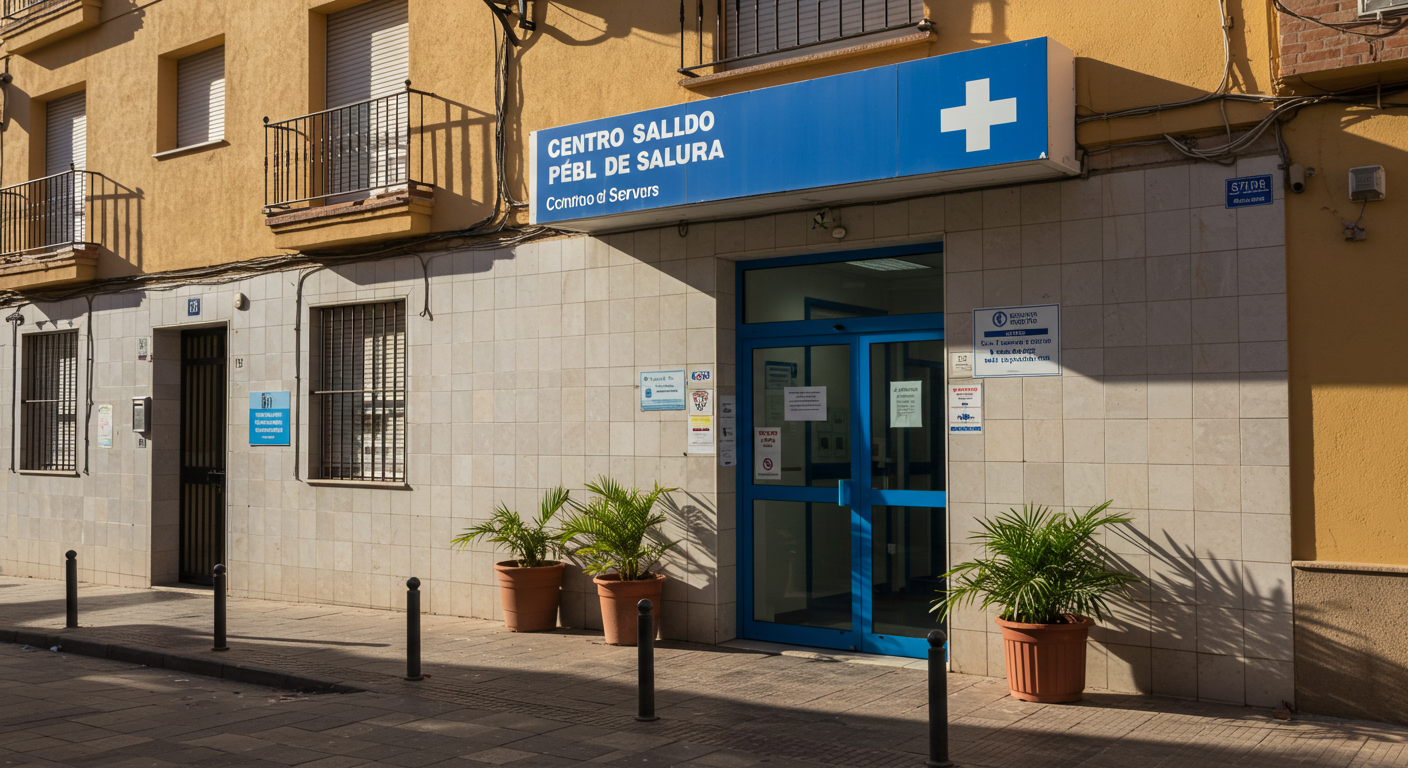
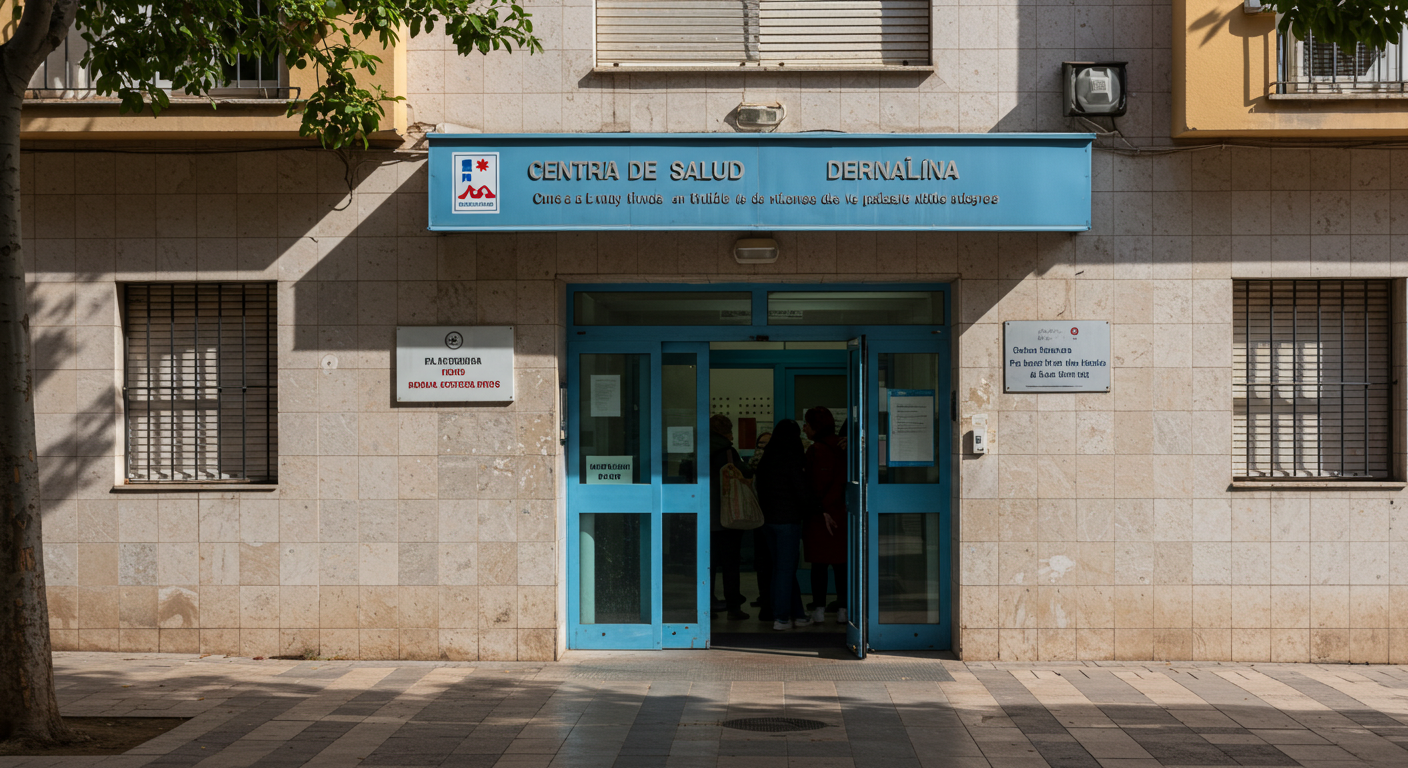
Spain's public health system — the Sistema Nacional de Salud — is genuinely excellent. Free GP visits, subsidised prescriptions, specialist referrals, emergency care: once you're in, it works. The catch is getting in. To register for public healthcare in Spain as a foreigner, you need to be formally resident (with a TIE or green residency certificate), be empadronado at your address, and either be employed, self-employed, or qualify under one of the special access routes. If all of that is in place, you go to your local health centre (centro de salud), hand over the documents, and walk out with a tarjeta sanitaria — your health card. It takes twenty minutes.
The harder question is what you do while you're assembling those pieces — and what happens if you don't qualify at all.
Who Actually Qualifies for Free Spanish Public Healthcare
The straightforward cases first. If you work in Spain and your employer pays Social Security contributions on your behalf, you're covered from day one of employment. Same if you're registered as autónomo and paying your own cuota — that monthly payment buys you healthcare access among other things. Retired EU citizens who have an S1 form from their home country's health system can transfer their entitlement to Spain. And children are covered regardless of their parents' status, which is a detail worth knowing if you're moving with a family.
The complicated cases are the ones this site's readers tend to be in. You've arrived on a Non-Lucrative Visa, or a Digital Nomad Visa, or you're simply freelancing remotely for foreign clients. In those scenarios, you're not paying into the Spanish Social Security system, and that means you don't automatically have public healthcare access. You're expected to have private insurance — and for the NLV specifically, comprehensive private cover is a visa requirement.
There is a middle route: the Convenio Especial. This is a voluntary contribution scheme that lets people who don't otherwise qualify pay into the public system and gain access. The cost is around €60 per month if you're under 65, and rather more above that. It's not widely advertised but it's legitimate and useful. We've written a full breakdown of how the Convenio Especial works and what it costs.
One more group worth mentioning: people who are between paperwork stages. If your TIE hasn't arrived yet, your healthcare situation is murkier than it should be — we covered that specific scenario in detail here.
The Documents You Need to Register at Your Centro de Salud
This varies slightly by region — Spain's health system is administered by the autonomous communities, not centrally — but the core list is consistent.
For employed workers and autónomos:
- Your TIE (Tarjeta de Identidad de Extranjero) or, for EU citizens, your green residency certificate
- Your empadronamiento certificate, dated within the last three months
- Proof of Social Security affiliation (your número de afiliación — you'll have received this when you started work or registered as autónomo)
For EU retirees with an S1:
- Passport or national ID
- The S1 form itself, obtained from your home country's health authority before you leave
- Empadronamiento certificate
For applicants under the Convenio Especial:
- TIE or residency certificate
- Empadronamiento
- Proof that you've been resident in Spain for at least one year (or proof of a specific qualifying circumstance)
- Your first payment receipt once approved
The empadronamiento is non-negotiable across all routes. If you're in a situation where getting that certificate is complicated — subletting, staying with friends, no formal rental contract — it's worth sorting before anything else. This article on getting empadronamiento without a standard rental contract covers the real options.
Once you have your tarjeta sanitaria, take a photo of it. Losing the physical card is annoying; replacing it requires another trip to the centro de salud, and in some regions you'll need to show ID again.
How the Registration Process Actually Works, Step by Step
Find your assigned centro de salud. Your health centre is determined by your registered address — you don't get to choose. Look up "centro de salud" plus your postcode on the website of your regional health authority (Conselleria de Sanitat in Valencia, Servicio Madrileño de Salud in Madrid, CatSalut in Catalonia, and so on).
Most centros de salud have a dedicated registration window — ventanilla de tarjeta sanitaria — open in the mornings, typically 8am to 2pm. Some require an appointment, some don't. Phone ahead or check the regional health authority website. Turning up at 1:50pm on a Friday and finding the window closed is the kind of thing that happens once.
Bring originals and photocopies of everything. Spanish bureaucracy almost always wants both. If your documents aren't in Spanish, you may need a sworn translation, though in practice health centre staff are often pragmatic about EU documents.
You'll fill out a brief form — name, address, NIE number, Social Security affiliation number — and they'll either print your card on the spot or post it to your registered address within a few weeks. In some regions (Andalusia especially, in my experience) the card arrives by post and takes a while; they'll give you a provisional document to use in the meantime.
Public vs Private Healthcare in Spain: An Honest Take
Spain's public system is strong on primary care and excellent in emergencies. If you have a serious accident or need surgery, the public hospitals are where you want to be. The consultants are well-trained, the facilities are modern in most cities, and you won't receive a bill.
Where it falls short is wait times for non-urgent specialist appointments. Waiting three to six months for a dermatologist or an orthopaedic consultation isn't unusual in the public system. That's where private healthcare fills a gap — and in Spain, private cover is remarkably affordable compared to the UK or the US.
A comprehensive private health policy from companies like Sanitas, Adeslas, Asisa, or DKV typically runs €50–€120 per month for a healthy adult under 45, as of 2026. Shop around; prices vary significantly. These policies give you access to private clinics, faster specialist appointments (often within a week), and English-speaking GPs in the major expat areas. Many residents who have public cover still take out a private policy on top — it's not expensive enough to think twice about if you value speed and convenience.
One thing private policies generally don't cover well: pre-existing conditions. Read the exclusions carefully before signing up. And don't assume that a policy sold for visa compliance purposes is actually comprehensive for day-to-day use — some of the cheaper NLV-compliant policies have significant limitations.
Regional Differences Worth Knowing
Because Spain's health system is decentralised, your experience will differ depending on where you live.
Madrid has a large private sector and plenty of English-speaking private clinics. The public system (SERMAS) is under pressure in the capital — GP lists are long and getting a same-day appointment is difficult. Many Madrid residents default to private for anything minor.
Catalonia (CatSalut) tends to have shorter waits than Madrid in my experience, particularly outside Barcelona. The city itself is more strained. The paperwork process is smooth and the online patient portal (La Meva Salut) is actually useful.
Valencia (Conselleria de Sanitat) — registration is generally straightforward. The Marina Salud hospital in Dénia, which serves a large expat population, is a useful example of how well the system can work when adequately resourced.
Andalusia — registration is fine but the postal card delivery can take six to eight weeks. The provisional paper they give you works fine in the meantime. In rural areas, your centro de salud might only have a GP present two or three days a week.
Canary Islands and Balearics — both regions have significant tourist and expat populations and the health centres in those areas are used to dealing with foreign residents. Wait times for specialists can be long, particularly in the islands, where there are fewer specialists per capita.
The NIE, the TIE, and Getting Your Paperwork in Order First
You can't register for Spanish public healthcare without legal residency documentation. Which means if you're still waiting for your TIE appointment or your NIE, healthcare registration has to wait too. If your NIE appointment is taking longer than expected — which is common — this piece on NIE wait times in Spain is worth reading, as is our guide to getting a cita previa extranjería when no appointments seem to exist.
If you're working as autónomo, you'll need to be registered with the RETA (the self-employed Social Security regime) before you can access public healthcare through that route. A gestor can make that process much smoother — we've written about whether you actually need one.
The paperwork chain in Spain has a particular logic: NIE → empadronamiento → residency → Social Security → healthcare. Each step depends on the one before it. Getting the sequence right from the start saves a lot of doubling back.
Once your tarjeta sanitaria is in your wallet, the system largely takes care of itself. Book GP appointments online or by phone, get referrals from there, pick up prescriptions at any farmacia with your card. It's not perfect — nothing is — but for a country where healthcare is free at the point of use, it's remarkably functional. The effort to register is worth it.
Frequently asked questions
- Can I access Spanish public healthcare immediately after arriving in Spain?
- Not immediately. You need to be formally resident (with a TIE or EU residency certificate), registered on the padrón (empadronamiento), and either employed, self-employed paying into Social Security, or qualifying through another route such as the Convenio Especial. Emergency care at A&E is available to everyone regardless of status, but routine public healthcare requires these steps to be in place first.
- Does having a Non-Lucrative Visa give me access to Spanish public healthcare?
- No. The Non-Lucrative Visa requires you to have private health insurance as a condition of the visa itself, and NLV holders are not paying into the Spanish Social Security system, so they don't qualify for public healthcare automatically. Once you've lived in Spain for a year, you may be able to apply for the Convenio Especial, which lets you pay voluntarily into the public system.
- What is the Convenio Especial and who is it for?
- The Convenio Especial is a voluntary contribution scheme that gives access to Spanish public healthcare for people who don't qualify through employment or self-employment. As of 2026, it costs around €60 per month for under-65s. You generally need to have been legally resident in Spain for at least one year to apply. It's a good option for NLV holders or retirees who don't have an S1 form.
- How long does it take to get a tarjeta sanitaria after registering?
- In some regions (Madrid, Catalonia) the card is printed on the spot or within a few days. In Andalusia and some other regions, it arrives by post and can take four to eight weeks. You'll receive a provisional document to use in the meantime, which is accepted at GP surgeries and pharmacies.
- Is private health insurance in Spain worth having even if I have public cover?
- For many residents, yes. Private policies in Spain are inexpensive by northern European standards — roughly €50–€120 per month for a healthy adult under 45 — and they dramatically reduce wait times for specialist appointments. If you need to see a dermatologist or a physio, the public system can mean a wait of several months; private can get you an appointment within a week.
- Do children of foreign residents get public healthcare in Spain?
- Yes. Children are entitled to public healthcare in Spain regardless of their parents' immigration or Social Security status. Register them at your local centro de salud with their passport and your empadronamiento certificate.
- What happens to my Spanish public healthcare if I leave Spain for a few months?
- Your entitlement is tied to your residency and, where applicable, your Social Security contributions. Short absences of a few months generally don't affect it. If you deregister from the padrón or your contributions stop for an extended period, your access may lapse. EU citizens can apply for a European Health Insurance Card (EHIC/EHIC equivalent) to cover temporary stays in other EU countries.