Healthcare in Spain Before Your TIE Arrives: What Cover Do You Actually Have?
Waiting for your TIE in Spain? Here's the honest guide to what healthcare cover you actually have before your residency card lands.
The TIE — your Tarjeta de Identidad de Extranjero, the physical residency card — can take anywhere from six weeks to four months to arrive after your appointment. During that window, a lot of people assume they're either fully covered by the Spanish public health system or completely on their own. The reality is messier than either of those, and it depends heavily on which visa you came in on, whether you've done your empadronamiento, and what region you're in.
Here's the short answer: in most cases, you do not have automatic access to Spain's public SNS (Sistema Nacional de Salud) just because you have a visa or a TIE appointment booked. What you have depends on your route into Spain. EU citizens with an EHIC have one set of rights. Non-EU arrivals on a non-lucrative visa or digital nomad visa have another. And people who haven't yet registered at all are in a different position entirely. Read on, because the details genuinely matter.
Why the TIE Gap Exists at All
Spain's residency process has a structural lag built into it. You apply for your visa in your home country, you arrive, you book a NIE/TIE appointment — which itself can take weeks to get — and then after the appointment you wait for the card to be printed and collected. Wait times in 2026 vary wildly by province: Madrid and Barcelona tend to be the worst, with some applicants waiting three months or more just for the initial appointment.
During all of that, you are legally resident in Spain (your visa says so), but you don't yet have the card that proves it to a doctor's receptionist or a hospital admissions desk. This is the gap that catches people out.
EU and EEA Citizens: The EHIC Situation
If you're an EU or EEA citizen, your European Health Insurance Card (EHIC) covers you for medically necessary treatment in Spain's public system — but only as a temporary visitor, not as a resident. The moment you establish residency (i.e., you intend to stay long-term), the EHIC technically stops being the right instrument. In practice, Spanish health centres won't always question this during the first few months, but it's not a reliable long-term plan.
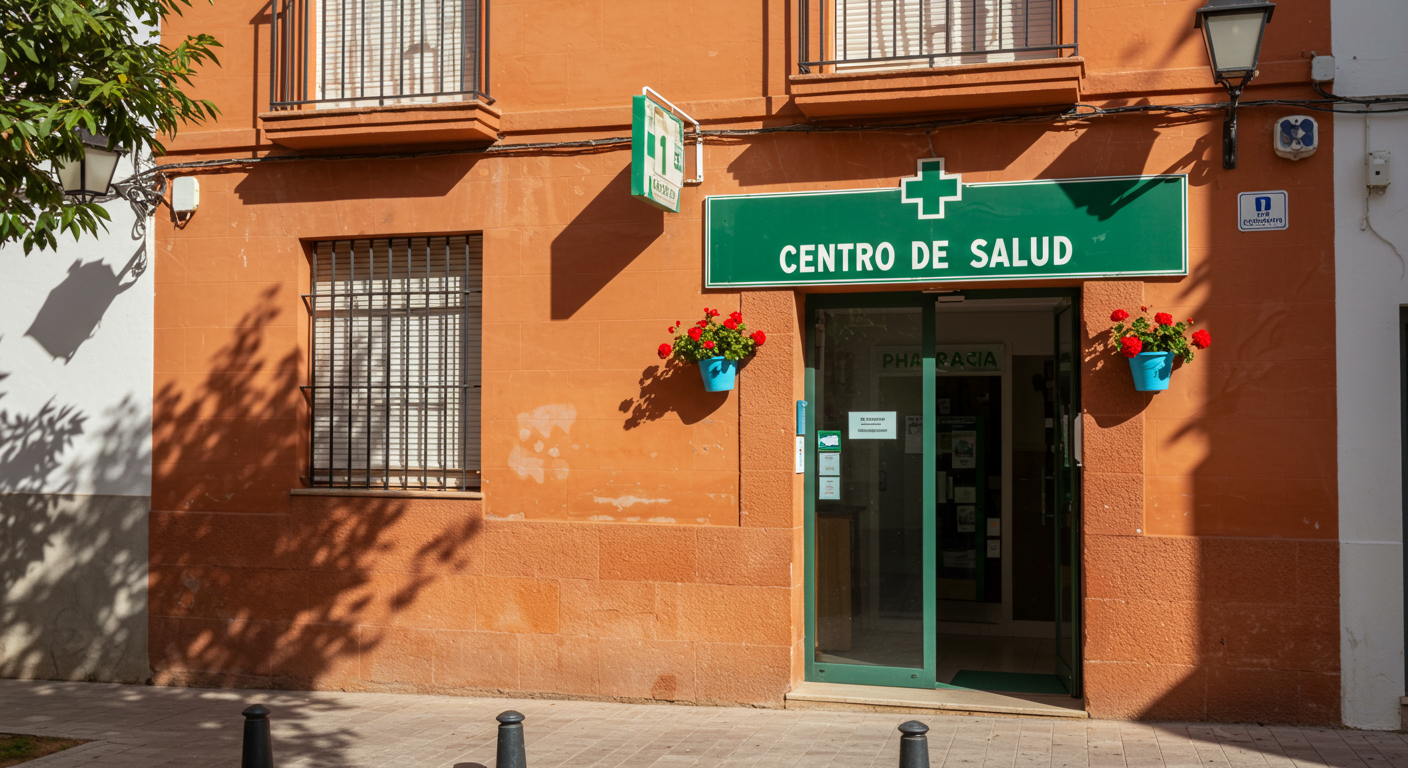
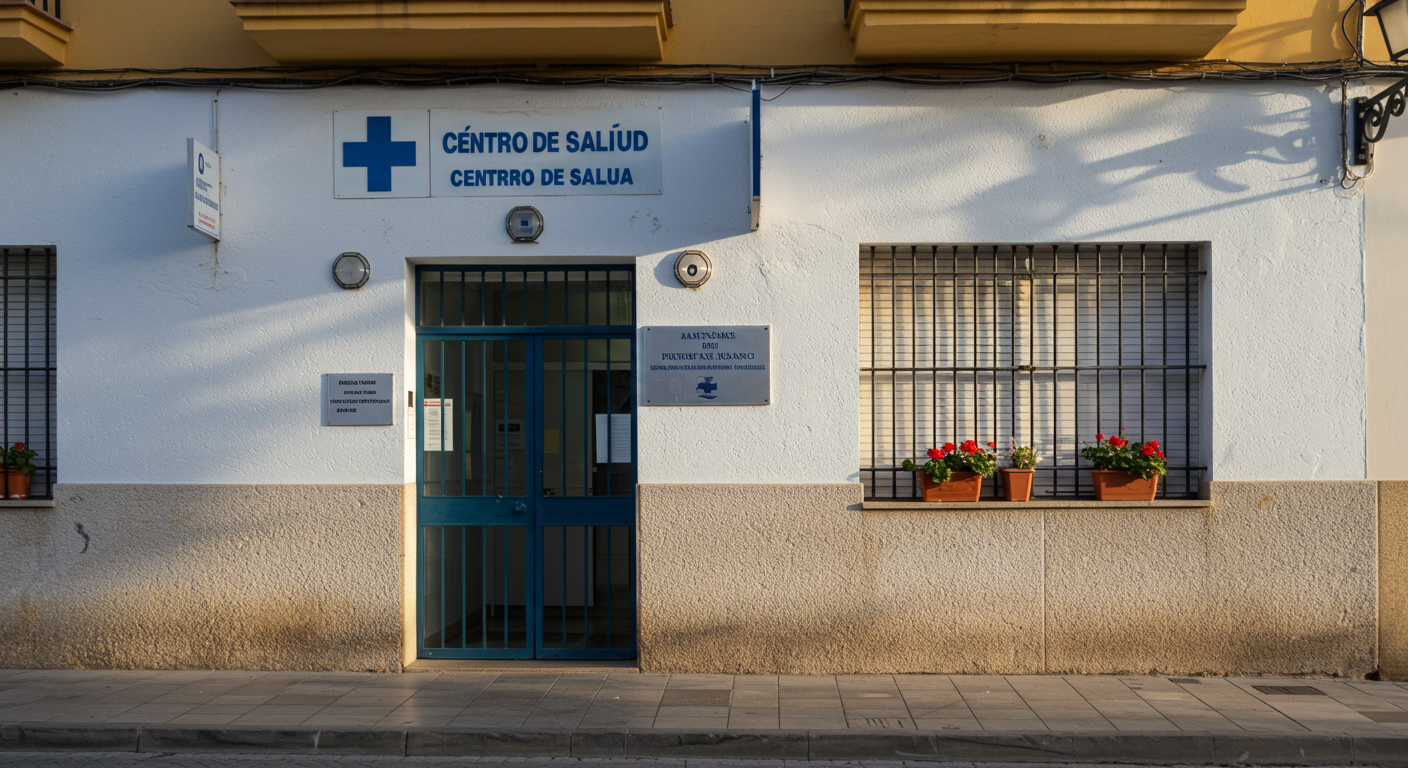
The correct route for EU citizens is to register with your local health centre (centro de salud) once you have your empadronamiento certificate and, ideally, your NIE. Some regions — Catalonia, Valencia, Andalusia — are reasonably smooth about registering you with a GP once you can show your padrón. Others are more rigid and want to see the TIE itself. Ring your local centro de salud before you turn up; the policy varies by autonomous community and even by individual centre.
Post-Brexit British citizens no longer benefit from the EHIC in Spain. You need either private insurance (a requirement for most visa types anyway) or to have completed the S1 route if you're receiving a UK state pension. If you're of working age and moved here under a visa, private insurance is your bridge.
Non-EU Arrivals: What Your Visa Actually Requires
For non-lucrative visa (NLV) and digital nomad visa holders, private health insurance isn't optional — it's a condition of the visa itself. You had to show proof of comprehensive cover to get the visa approved in the first place. That policy should still be active while you wait for your TIE. This is your primary cover during the gap, and it's worth knowing what it actually covers.
Most expats in this situation use one of a handful of insurers: Sanitas, Adeslas, Asisa, or international plans from Cigna or Allianz Care. Costs vary considerably. A basic Sanitas Más Salud plan runs roughly €80–€130/month for a healthy adult under 45 as of 2026 (check current quotes, as premiums shift). Adeslas tends to be slightly cheaper for comparable coverage. What matters more than price is the network: check whether your local hospital and any specialist you might need is on the cuadro médico (the insurer's approved provider list) before you sign.
A few things these policies often don't cover well: pre-existing conditions (usually excluded for 6–24 months), dental beyond basic extractions, and psychiatric care. Read the small print before you assume you're covered for everything.
The Empadronamiento Question
Your padrón certificate — proof that you're registered at your address with the local ayuntamiento — is not the same as having public health cover, but it's a prerequisite for accessing it in most regions. Get this done as early as possible. You don't need a TIE to register on the padrón; a passport and a rental contract (or a letter from your landlord) will do it.
Once you have the padrón, you're on firmer ground. In some autonomous communities, long-term residents — including those still waiting for their TIE — can register with the SNS using a combination of their padrón, NIE, and proof of legal residence (which can be the visa stamp in your passport). Andalusia and Valencia have historically been more flexible about this than, say, the Community of Madrid. Ask at your local centro de salud; the answer will depend on the community and often on the individual administrator you speak to.
If you're moving with children, the rules are slightly more generous — minors have a right to public health care in Spain regardless of their parents' residency status, under national law. Schools will also want the padrón, so sort that first. There's more on the family logistics in the moving to Spain with family guide.
What Happens in an Emergency
Spain's A&E (urgencias) departments will treat you regardless of your insurance status or paperwork. This is enshrined in law. You will not be turned away from a hospital emergency room because your TIE hasn't arrived. What you may face is a bill afterwards if you cannot demonstrate public entitlement — though in practice, billing of uninsured foreigners in public urgencias is inconsistent and often doesn't happen for a single visit.
For anything non-emergency — a GP appointment, a specialist referral, a prescription — you need either your SNS registration sorted or a private insurance card. Don't rely on the urgencias route for routine care; it clogs the system and won't get you the follow-up you need.
Private Insurance as a Longer-Term Tool
Honestly, for the first year in Spain, private insurance is not the worst thing. The public system is excellent for serious illness but creaky for routine appointments — waiting weeks to see a GP is not unusual in urban areas. Private cover gets you a same-week appointment, tests done quickly, and English-speaking doctors in most major cities. Many long-term expats keep a private plan even after they've gained full SNS access.
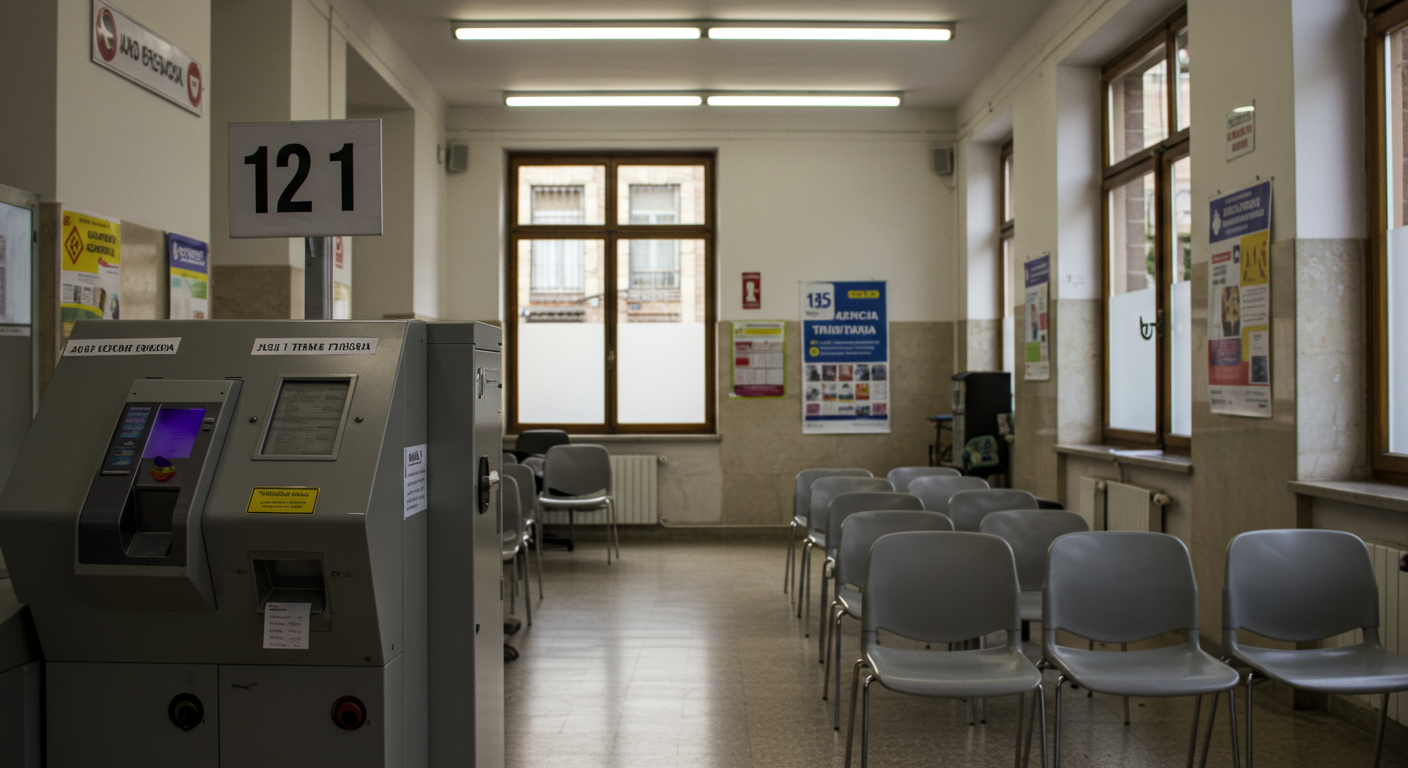
Once your TIE arrives and you've been here long enough to register with the SNS (usually after formal residency is confirmed), you can choose to rely on the public system and drop the private plan — or keep both. The SNS registration process involves going to your local centro de salud with your TIE, padrón, and passport and asking to be assigned a médico de cabecera (GP). Bring copies of everything.
If you're self-employed and registering as autónomo, paying your monthly social security contributions (cuota de autónomos) gives you full SNS entitlement. That's one of the underrated advantages of going autónomo quickly. The process of registering as autónomo is worth understanding early on, since it affects both your tax position and your health cover.
The Regions Make a Difference
Spain's health system is devolved. Each autonomous community runs its own, and the quality and flexibility vary. The Basque Country and Navarre are generally considered the best-run systems in the country. Catalonia has a mixed public-private model (the CATSAL network) that functions well. Andalusia has improved significantly in recent years but rural areas can still be thin on specialists. The Canary Islands and Balearics — popular with expats — can feel stretched in summer when the tourist population swells.
This matters because the process of getting registered before your TIE arrives will be easier in some communities than others. If you're in a region with a more relaxed approach, you might get SNS access sorted within your first month. If you're in a stricter one, you'll be relying on private cover for longer.
A Practical Timeline
To make this concrete: here's roughly what a sensible approach looks like.
- Before you arrive: Confirm your private health insurance is active and covers Spain from day one. Check the cuadro médico for your area.
- First week: Register on the padrón. This is the single most useful piece of paper you can get early.
- Once you have your NIE: Attempt to register with your local centro de salud. Bring everything — padrón, NIE, passport, visa, private insurance card.
- After TIE arrives: Complete the SNS registration if you haven't already. Decide whether to keep private cover.
The NIE and TIE process is the bureaucratic spine of all of this. The sooner you get that appointment booked, the sooner the clock starts on your wait.
One final thing: keep digital copies of every document on your phone. Spanish health centres don't always have great systems, and turning up without a copy of your padrón because you left it at home means a wasted trip. Ask me how I know.
Frequently asked questions
- Can I use Spain's public health system while waiting for my TIE?
- Not automatically. Access to the SNS before your TIE arrives depends on your visa type, your autonomous community, and whether you've registered on the padrón. Some regions will register you with a GP using your NIE and padrón alone; others want to see the TIE itself. Private insurance — required for most non-EU visa types — is your primary cover in the gap.
- Does my EHIC cover me in Spain while I wait for residency?
- Your EHIC (European Health Insurance Card) covers EU/EEA citizens for medically necessary treatment as a temporary visitor. Once you establish long-term residency, it's no longer the correct instrument. It may work in practice for a short period, but you should register with the SNS once you have your padrón and NIE rather than relying on it indefinitely. UK citizens no longer have EHIC rights in Spain post-Brexit.
- What private health insurance do most expats in Spain use?
- The most commonly used insurers among expats in Spain are Sanitas, Adeslas, and Asisa for domestic plans, and Cigna or Allianz Care for international coverage. Sanitas and Adeslas have the widest networks. Prices for a basic plan start around €80–€130/month for a healthy adult under 45 as of 2026, though this varies by age and coverage level.
- Will a Spanish hospital treat me in an emergency if I don't have my TIE yet?
- Yes. Spanish law requires public hospital urgencias (A&E) departments to treat anyone in a medical emergency regardless of residency status or insurance. You may receive a bill afterwards if you cannot demonstrate SNS entitlement, but you will not be refused emergency care.
- Does registering as autónomo give me public health cover in Spain?
- Yes. Paying the monthly cuota de autónomos (social security contributions for the self-employed) gives you full entitlement to Spain's SNS, the same as an employee. This is one of the practical advantages of registering as autónomo early in your time in Spain.
- Do children have access to Spanish public healthcare before the family's TIE arrives?
- Yes. Under Spanish national law, all minors have the right to public healthcare in Spain regardless of their parents' residency or documentation status. You will still need to register the child with a local health centre, and having the empadronamiento certificate makes this considerably easier.
- How does healthcare access before the TIE differ by Spanish region?
- Significantly. Some autonomous communities — including Valencia and Andalusia — have historically been more flexible about registering new residents with the SNS using a padrón and NIE before the TIE arrives. Others, including Madrid, tend to be stricter and may insist on seeing the physical TIE card. Always call your local centro de salud to ask before making the trip.