How to Visit Granada Without the Crowds: A Slow Guide
How to visit the Alhambra without crowds, eat free tapas in the Albaicín, and get Granada right — a slow, opinionated guide for 2026.
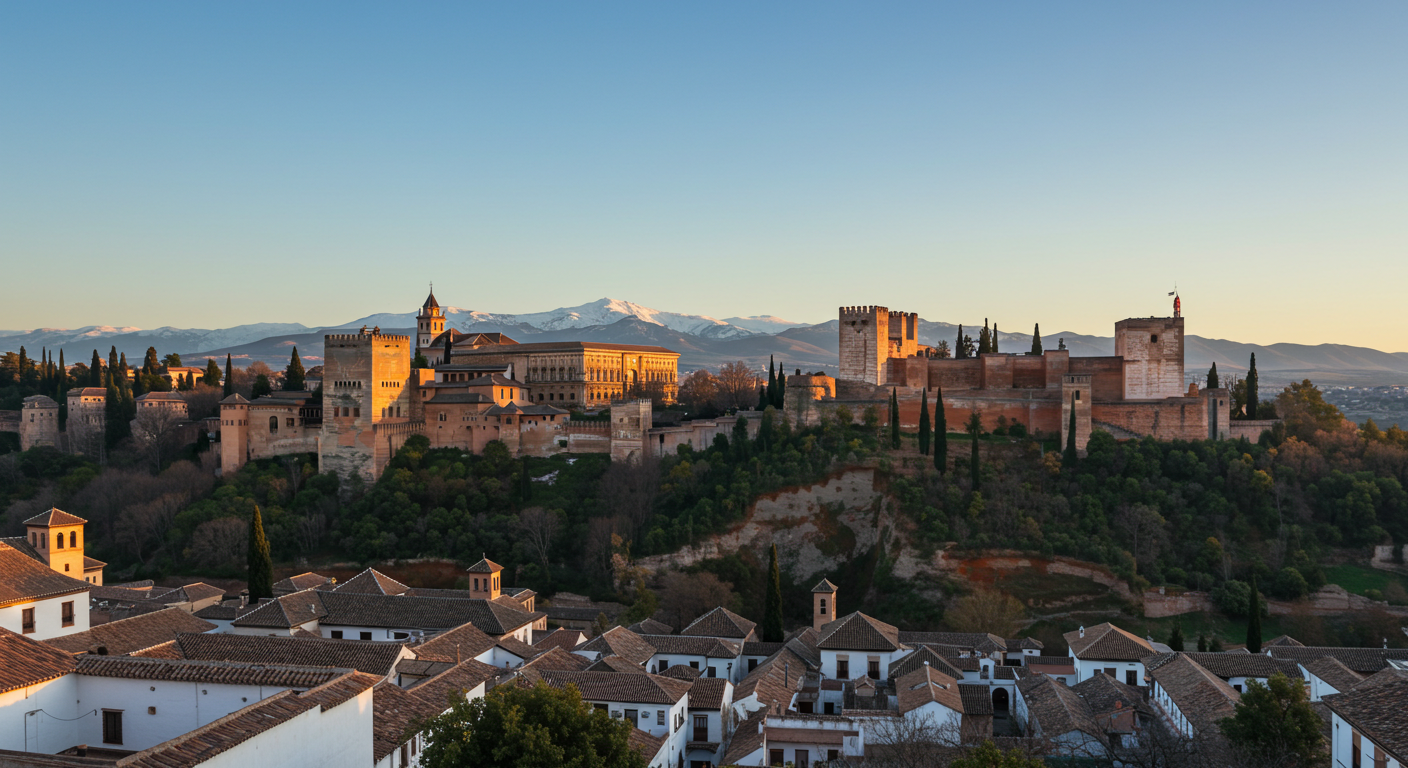
Three million people visit the Alhambra every year. On a Tuesday morning in April, you can still feel entirely alone in the Generalife gardens if you time it right. That's the Granada paradox: one of Europe's most-visited monuments, in a city that rewards patience more than almost anywhere else in Spain.
How to Visit the Alhambra Without Crowds
The short, practical answer: book the first time slot of the day (currently 8:30am), go on a weekday, and do it in late October, November, or February. Tickets sell out weeks in advance at peak times — sometimes months — so the official Alhambra ticketing site (alhambra-patronato.es) should be your first stop, not a third-party reseller. As of 2026, the standard combined ticket runs around €18–19 per adult. Timed entry is strictly enforced at the Nasrid Palaces, the crown jewel of the complex, so being late to your slot means missing the whole thing.
The other thing nobody tells you: the Alcazaba fortress and the Generalife gardens have their own rhythms. The crowds peak at the Nasrid Palaces between 10am and 1pm. If your slot is early, do the palaces first, then drift to the Generalife when everyone else is queuing for churros. The gardens in particular — the terraced pools, the roses, the view back over the Albaicín — deserve an unhurried hour, not a rushed ten minutes at the end.
Skip the audio guide unless you're a first-timer. The Alhambra is a place to look, not to listen. A good printed guide or a cheap guidebook from the gift shop on the way out will give you more context than a tinny earpiece.
Booking Tickets: What Can Go Wrong
The patronato website goes down under heavy load during popular booking windows. Try early morning. If you're visiting more than three weeks out and can't find tickets, keep checking — cancellations do come up, especially for weekday slots. Third-party sellers legally charge a booking fee but cannot legally sell you a cheaper ticket; anyone offering a significant discount is either lying or operating a scam. Don't.
If you genuinely can't get Nasrid Palace tickets, the Generalife and Alcazaba alone are still worth the visit. Honestly, the Alcazaba — the original Moorish fortress at the western tip of the complex — is underrated. The views from its towers over the city are better than almost anything inside the palaces, and it's almost always quieter.
The Albaicín: How to Actually Spend Time Here
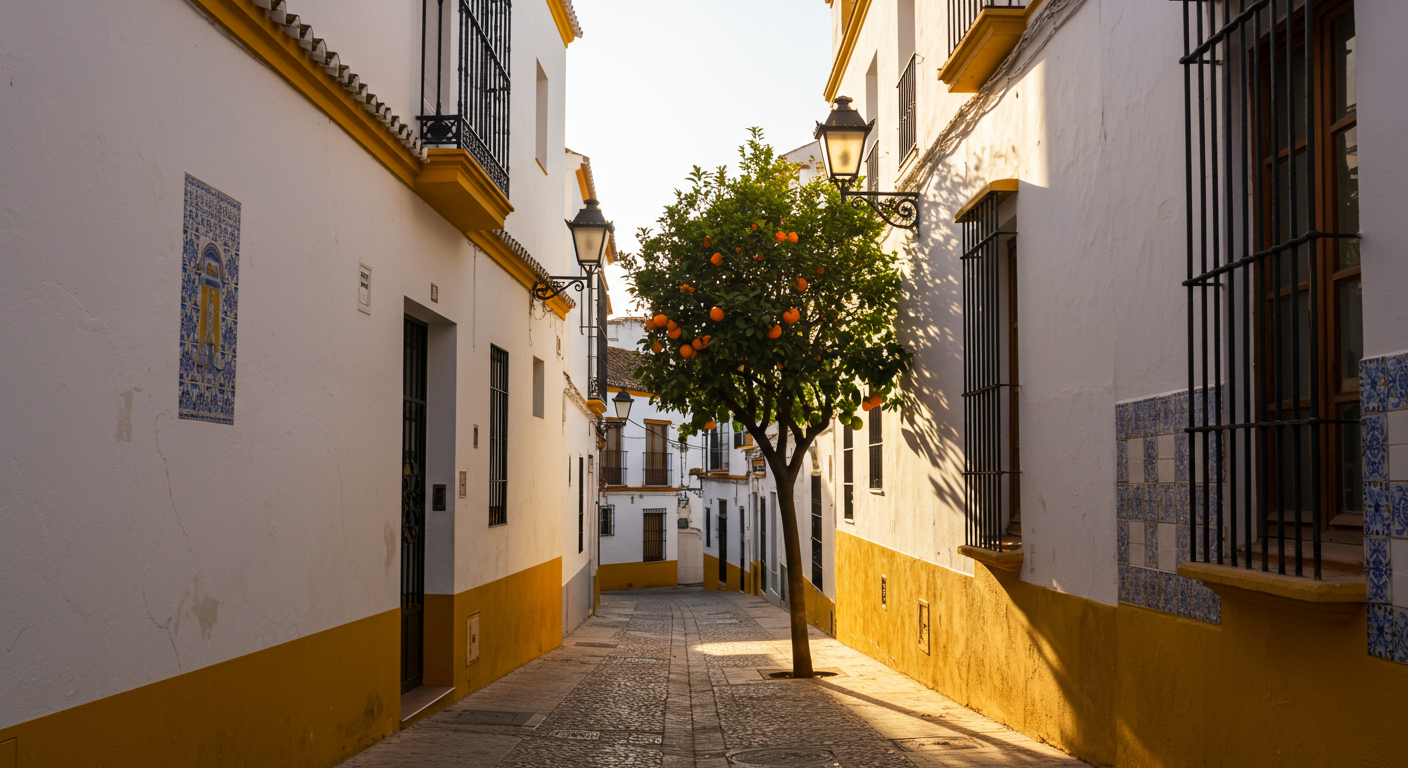
The Albaicín is the old Moorish quarter that climbs the hill opposite the Alhambra. It's the neighbourhood that makes Granada feel like nowhere else in Spain. Yes, it's touristy along the main routes — the Calle Calderería Nueva (the so-called 'tea street') is entirely given over to Moroccan teahouses and tourist tat. That's fine. Walk through it, have a mint tea, keep moving uphill.
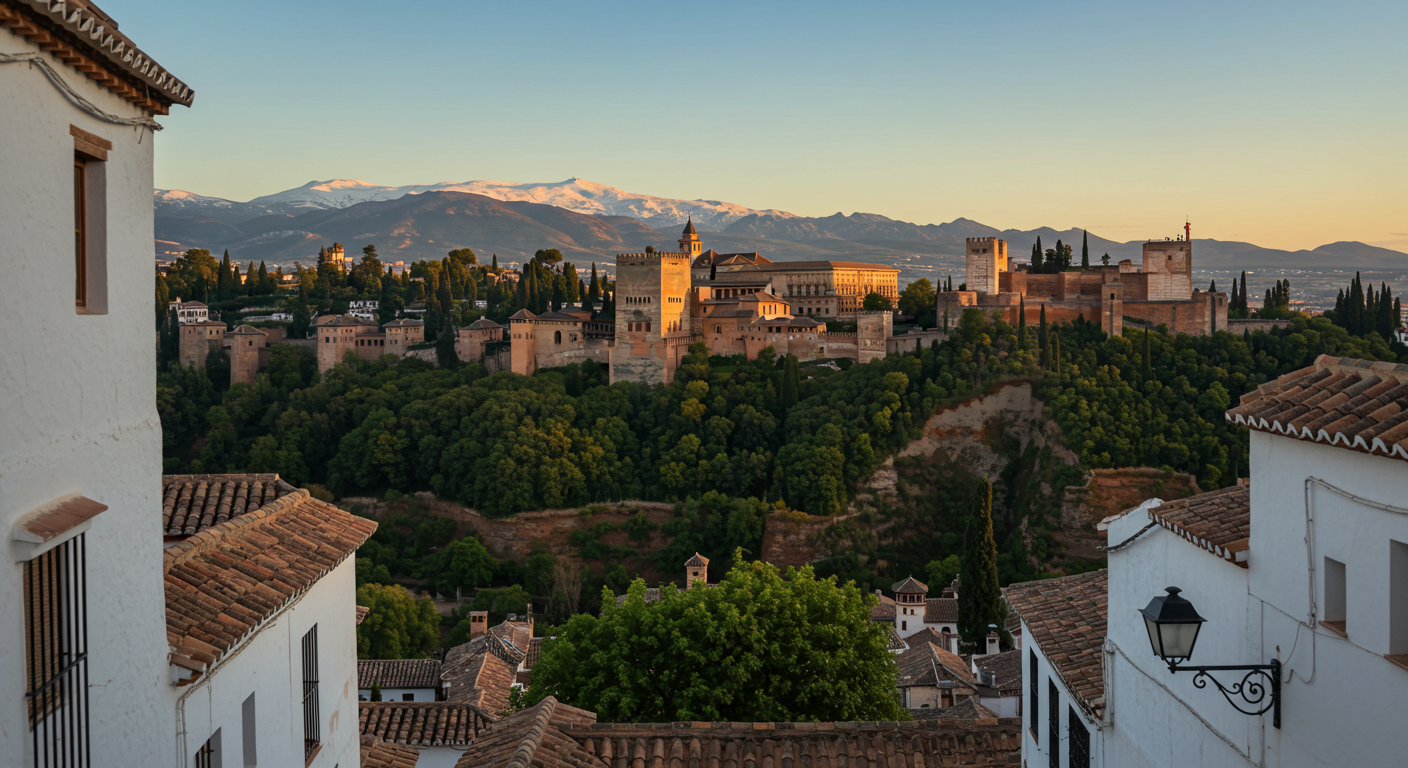
The real Albaicín is the tangle of whitewashed lanes above Calle Elvira, around the Placeta de San Miguel Bajo and the church of San Nicolás. The Mirador de San Nicolás is famous — too famous, frankly, overrun by sundown with tour groups and selfie sticks. Go at midday instead, when most visitors are at lunch and the Alhambra gleams in the flat light against the Sierra Nevada. Then come back at dusk if you must, but arrive early and stand your ground.
For breakfast in the Albaicín, Bar Aixa on the Placeta de San Miguel Bajo does a no-fuss café con leche and tostada con aceite for under €3. Nobody is going to put it in a guidebook. That's the point.
Getting Up There
The C34 minibus runs from the Plaza Nueva up into the Albaicín and saves your knees on the steeper lanes. It costs the standard urban fare (around €1.40 as of 2026, or free with a Granada bus card). It's slow, it's packed at peak times, and the driver will wait for elderly residents with shopping bags — which is exactly as it should be. Walking up via the Cuesta del Chapiz is the more atmospheric option if your legs are good.
The Sacromonte neighbourhood, just east of the Albaicín along the Camino del Sacromonte, is worth an afternoon. It's where Granada's gitano community has lived in cave houses for centuries. The flamenco shows in the cuevas are, to be blunt, mostly expensive tourist productions — €25–35 a head for a show that varies wildly in quality. If you want to see real flamenco, ask at your accommodation about peñas or smaller venues in the centre. The Peña La Platería on the Placeta de Toqueros in the Albaicín has been going since 1949 and occasionally hosts events open to the public.
Free Tapas: The One Thing Granada Does That Nowhere Else Does
Order a drink in Granada and you get a free tapa. This is not a myth, not a tourist gimmick, and not limited to specific bars — it is simply how things work here, and it has been for decades. A caña (small beer) or a glass of house wine runs €2–3, and it arrives with something to eat: a small plate of jamón, a dish of patatas bravas, a montadito, sometimes a proper mini-meal if the bar is feeling generous.
The quality varies enormously. The tapas bars around the Plaza Nueva and the main tourist drag near the cathedral are perfectly fine but rarely exciting. The better sport is in the Realejo neighbourhood, the old Jewish quarter south of the cathedral — streets like Calle Verónica de la Magdalena and the area around Campo del Príncipe. Bar Los Diamantes on Calle Navas is justly famous for its fried fish; arrive before 2pm or 8pm or you'll queue. Casa Julio on Calle Hermosa is the local's choice for jamón.
One practical note: the free tapa system means you can eat a full lunch by having three or four drinks. This is not alcoholism; this is Granada. Pace yourself, drink water, eat slowly.
The Cathedral and the Capilla Real: Do Both
Most visitors do one or the other. Do both. The cathedral is a vast, slightly cold Renaissance structure — impressive in scale but not in intimacy. The Capilla Real next door, the royal chapel where Ferdinand and Isabella are buried, is the opposite: small, intensely decorated, and genuinely moving if you know anything about what they built (and destroyed). The iron screen, the Flemish paintings in the sacristy, the marble effigies — it's all worth the €5 entry. The cathedral charges separately, around €5–6.
Skip the tourist shops on Calle Reyes Católicos between the two. They sell the same olive oil, the same fans, the same ceramic tiles as every other city in Andalusia.
Granada for Longer Stays
If you're thinking about Granada as a base rather than a stop, it makes considerable sense. It's a university city of around 230,000 people, which means it has the energy and infrastructure of somewhere larger. Rents are lower than Seville or Málaga — a one-bedroom in the centre typically runs €700–900 per month as of 2026, though the market has tightened. If you're relocating and need to get paperwork sorted, the bureaucratic reality is the same as anywhere in Spain: slow, occasionally maddening, occasionally fine. The NIE queue situation in Granada is not as brutal as Madrid or Barcelona, but it's not frictionless either — worth reading up on how long NIE appointments actually take before you plan your arrival timeline.
Digital nomads in particular find Granada workable: good café culture, reasonable cost of living, and easy connections to Málaga airport (about 90 minutes by bus or car). The Spanish Digital Nomad Visa is worth considering if you're planning to stay more than 90 days and work remotely — Granada's lower cost of living makes meeting the income threshold feel less painful than it would in Madrid.
If you end up staying a while and need to get banking sorted, the guide to opening a Spanish bank account as a non-resident covers the main options, including the digital banks that will save you queuing in a branch.
Timing Your Visit
April and May are the classic months — warm, green, not yet scorching. October is arguably better: the tourists have thinned, the light is extraordinary, and the Sierra Nevada has its first snow on the peaks while the city is still in shirtsleeves. July and August are genuinely hot (38–42°C is possible) and the Alhambra tickets are the hardest to come by. February is underrated — cold at night, bright during the day, and the city is entirely your own.
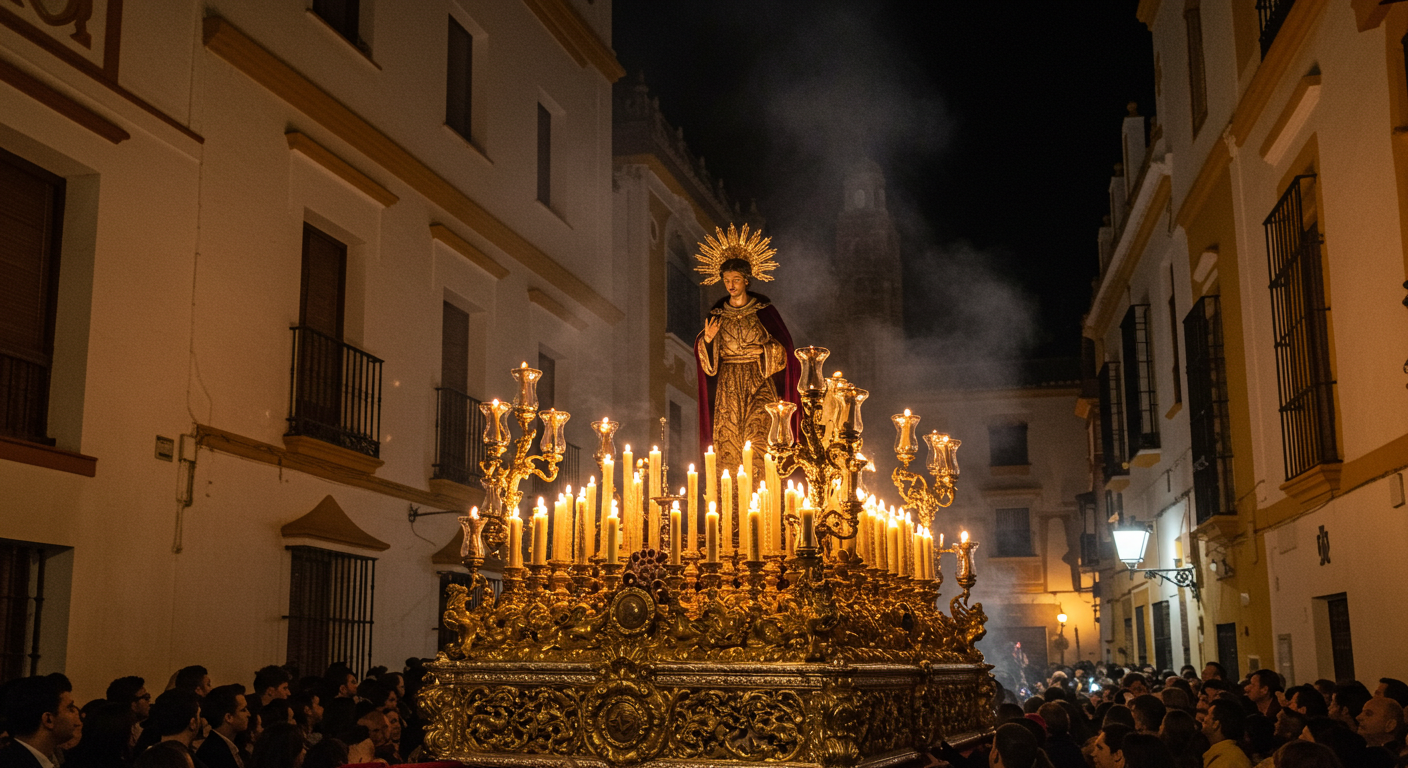
Semana Santa (Holy Week before Easter) is remarkable in Granada — less theatrical than Seville's but more intimate, the processions winding through streets too narrow for the crowds. Book accommodation months ahead if you want to be there for it.
One last thing: the Sierra Nevada ski resort is 45 minutes from the city centre by bus. In February or March you can ski in the morning and eat tapas in the sun by afternoon. It's one of those things that sounds made up but is entirely true and entirely worth doing.
Book the Alhambra first. Everything else will arrange itself around it.
Frequently asked questions
- How far in advance should I book Alhambra tickets?
- At least three to four weeks ahead for any visit between March and October, and ideally six to eight weeks for Easter week or August. The official ticketing site (alhambra-patronato.es) releases tickets in advance and they sell out fast. Weekday slots go later than weekends. Cancellations do appear, so keep checking if your preferred date is sold out.
- Is the free tapa system really everywhere in Granada?
- Genuinely yes — it's city-wide and applies to almost all bars. You order any drink and a small tapa arrives automatically, at no extra charge. The quality and generosity varies: bars in the Realejo and around Calle Navas tend to be better than those on the main tourist streets near the cathedral. Budget roughly €2–3 per drink and you can eat well across several rounds.
- How long do you need to see Granada properly?
- Three full days is the minimum to do it without rushing. Day one: Alhambra (a full morning, possibly into the afternoon). Day two: Albaicín and Sacromonte at a slow pace, with a long tapas lunch. Day three: cathedral, Capilla Real, Realejo neighbourhood, and an evening in the centre. A fourth day lets you breathe and consider a half-day trip to the Sierra Nevada.
- What's the best neighbourhood to stay in Granada?
- The Realejo (the old Jewish quarter, south of the cathedral) is the best balance of central, walkable, and not overwhelmingly touristy. It's close to good tapas bars and an easy walk to both the Alhambra bus stop and the city centre. The Albaicín itself is atmospheric but hilly and harder to navigate with luggage. Avoid the chain hotels on the ring road unless price is the only factor.
- Can you visit the Alhambra without booking in advance?
- Technically yes — a small number of tickets are sold at the gate each morning, but they go within minutes of opening and there's no guarantee. In high season (April–August), assume gate tickets don't exist. Outside peak season (November–January), you have a better chance, but it's still a gamble on a visit to something you may have travelled specifically to see. Book online.
- Is Granada a good base for remote workers?
- It's genuinely good — lower rents than Seville or Málaga, a large student population that keeps café culture alive, reliable fibre internet in most central rentals, and easy access to Málaga airport for travel. The main friction is bureaucratic: getting registered, sorting NIE appointments, and finding landlords willing to rent to foreigners without a Spanish payslip all take time. Worth researching the paperwork realities before committing.
- Is the Albaicín safe to walk around at night?
- Yes, broadly speaking. The main lanes and the area around San Nicolás are well-lit and regularly walked by tourists and locals alike. The narrower backstreets higher up the hill are quieter at night and worth a degree of normal urban awareness, but Granada doesn't have a serious crime problem. The usual advice applies: don't leave valuables visible, be aware of your surroundings, and you'll be fine.