Best Boutique Hotels in Lanzarote and Where to Eat in 2026
The best boutique hotels in Lanzarote in 2026, plus where to eat like a local — from Arrecife tapas bars to clifftop fish restaurants in El Golfo.
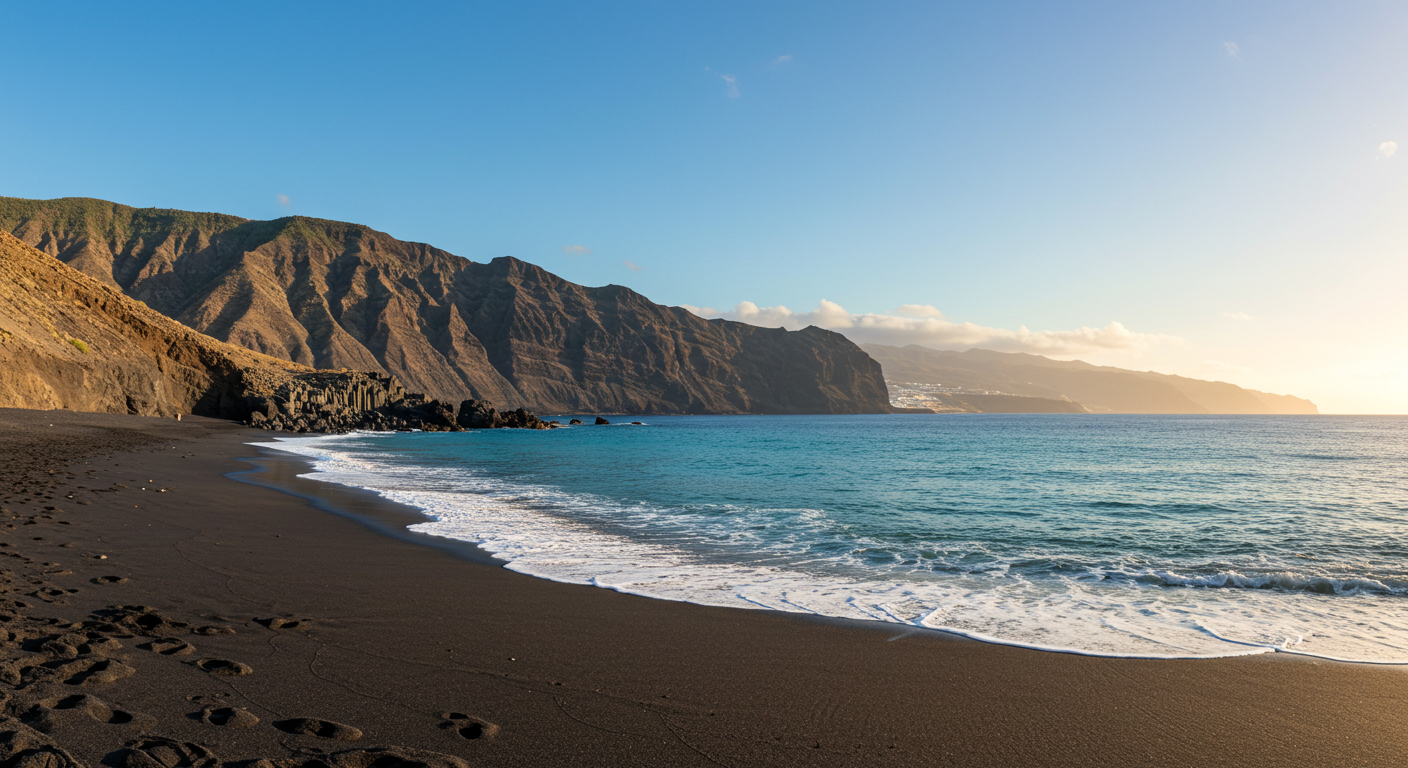
Lanzarote is the Canary Island that rewards the people who bother to look past the all-inclusive strip in Puerto del Carmen. Do that, and you find black-sand beaches backed by vineyards, César Manrique's extraordinary landscape architecture, and a handful of genuinely good small hotels that cost a fraction of what you'd pay for similar quality in Mallorca or Ibiza.
If you're searching for the best boutique hotels in Lanzarote and where to eat well without being pointed at a tourist menu, here's the short answer: stay in Arrieta, Femés or Yaiza rather than the resort towns; eat at Casa Torano in Haría, La Tegala near Mácher, or any of the guachinches in the wine country around La Geria. The rest of this piece fills in the detail.
Why Lanzarote Works Better Than Its Reputation Suggests
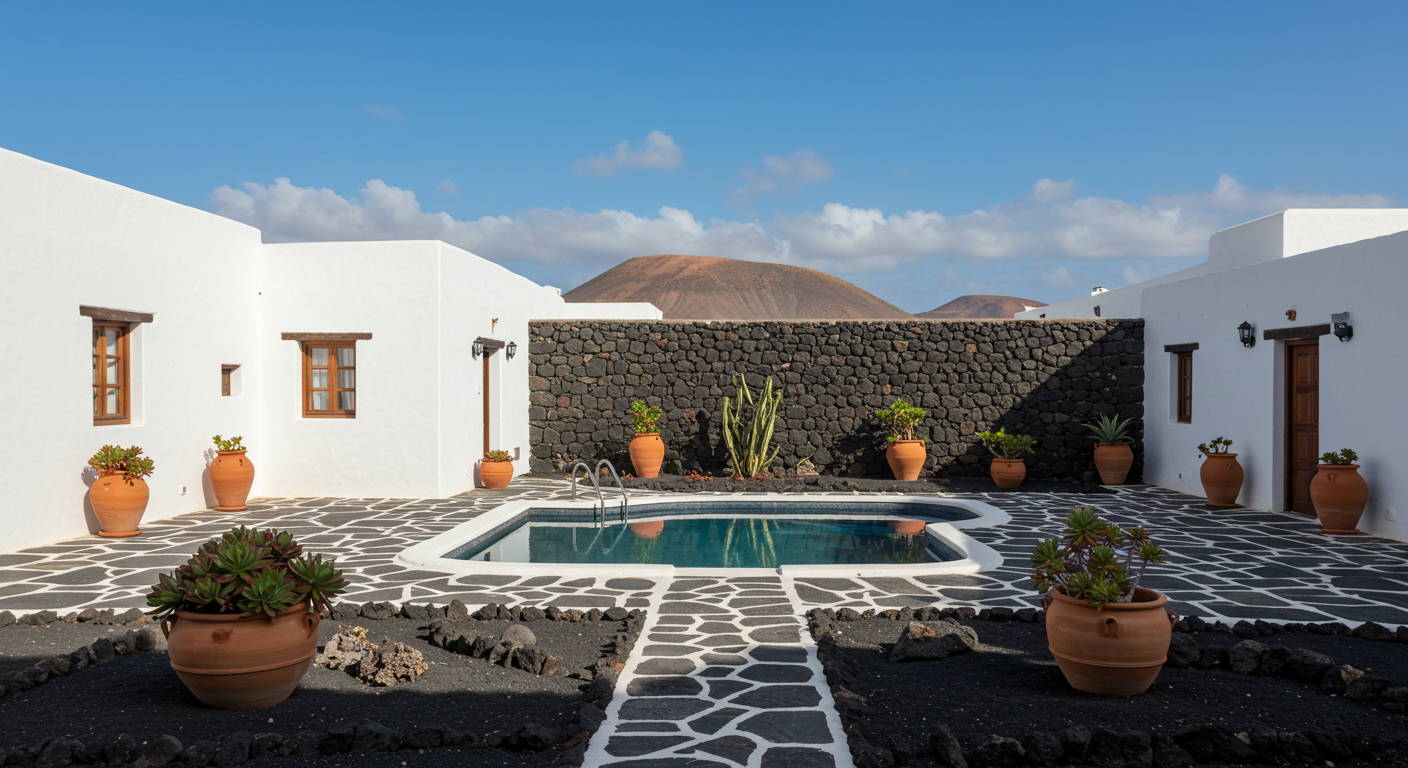
The island got a bit hammered by mass tourism in the 1980s and 90s, and the south-east coast — Playa Blanca, Puerto del Carmen, Costa Teguise — still bears the marks. But Lanzarote is also a UNESCO Biosphere Reserve, and outside those resort corridors, building restrictions have kept the landscape almost untouched. Low white houses, volcanic rock, the strange terraced vineyards of La Geria where each vine sits in its own hollow to catch dew. It looks like the moon, but in a way that's actually beautiful rather than bleak.
The island is small enough that you can cover the whole thing in a week without rushing. A hire car is essentially non-negotiable — public buses exist but the timetables will test your patience.
Best Boutique Hotels in Lanzarote
Finca de Arrieta, Arrieta
This is the one I'd go back to tomorrow. A cluster of individual eco-bungalows on the north-east coast, about ten minutes from the village of Arrieta and its excellent fish restaurants. The bungalows are genuinely quirky — domed, earthen-walled, with outdoor showers and terraces that face the Atlantic. It attracts a certain type: slow-travel people, yoga retreat refugees, couples who've already done the Maldives and want something more interesting.
Prices in 2026 run roughly €150–€220 per night depending on the bungalow and the month. January and February are quieter and cheaper; book months ahead for Easter. The owners are Dutch and the whole operation runs on solar power. No restaurant on site, which is actually fine because Arrieta village is a ten-minute walk.
La Casona de Yaiza, Yaiza
Yaiza is a small white village in the south, close to the Timanfaya National Park and the green lagoon at El Golfo. La Casona is a restored 18th-century farmhouse — ten rooms, a pool in a courtyard, and the kind of quiet that you notice immediately when you arrive. The décor is understated: whitewashed walls, dark wood, good linen. No TVs in rooms, which either sells it or kills it for you.
Roughly €180–€260 per night as of 2026. Breakfast is included and worth eating — local cheeses, papas arrugadas, good coffee. The village itself has a couple of decent restaurants within walking distance.
Hotel Villa VIK, San Bartolomé
This one's harder to categorise. It's modern rather than rustic — all concrete and glass and a rooftop pool — but it's small (only around 20 rooms) and the service is genuinely personal. San Bartolomé is central, which makes it a good base for exploring the whole island. The art collection is a legitimate talking point: Manrique-influenced pieces throughout.
Expect to pay €200–€300 per night. There's a decent restaurant attached, though I'd still push out to eat elsewhere most evenings.
Casas Rurales Los Ajaches, near Uga
For self-catering, these traditional stone cottages near the Ajaches mountains are the pick. They sleep two to four, have their own terraces and plunge pools, and put you in the quiet southern interior rather than anywhere near the coast traffic. Prices are around €120–€160 per night for a two-person cottage. Good value by Canary Islands standards in 2026.
Casa de Hilario, Mácher
A small B&B — four rooms — in a converted rural house in Mácher, which sits in the hills between Puerto del Carmen and La Geria. The owners are local and the breakfast involves things you won't find in any resort: mojo verde from scratch, fresh goat's cheese from a farm down the road. Around €110–€140 per night. It books out fast; email direct rather than going through the aggregators.
Where to Eat in Lanzarote
The honest food map of Lanzarote is pretty simple: avoid anything in Puerto del Carmen that has a photograph menu outside, and you'll mostly be fine. The island has a genuine culinary identity built on papas arrugadas, mojo sauces, gofio (a toasted grain flour that appears in everything from bread to ice cream), fresh fish, and the local wines from La Geria.
La Tegala, Mácher
The best restaurant on the island by a clear margin, and one of the better restaurants in the Canaries full stop. Chef Gilberto Morales does a tasting menu that takes Canarian ingredients seriously — expect local tuna, goat, root vegetables, and textures that make you think. The wine list leans heavily into Lanzarote's own DOP, which is the right call.
Book well ahead. It's not cheap — tasting menu around €65–€75 per person as of 2026, without wine — but it's not trying to be. Closed Mondays and Tuesdays; check current days before you go.
Casa Torano, Haría
Haría is the palm valley in the north, a genuinely lovely village that most visitors drive through on the way to the Jameos del Agua. Stop and eat here instead. Casa Torano is an old house with a terrace, a short menu, and a kitchen that does fish with real confidence. The cherne (wreckfish) when available is exceptional. Prices are modest — you'd eat and drink for around €25–€35 per head.
El Golfo Seafood Strip
El Golfo is a tiny fishing village on the west coast, perched above a green lagoon formed in a volcanic crater. The row of fish restaurants along the front is touristy, yes, but the fish is still fresh and the setting is hard to argue with. Restaurante Bogavante is the most consistent of the strip; the grilled fish platters for two are honest and generous. Go for lunch — the evening crowds are heavier and the sunsets, while spectacular, bring everyone out.
Bodega La Geria, La Geria
Not primarily a restaurant, but you eat here anyway. The winery sits in the middle of the volcanic vineyard landscape and does a tasting with food pairings — local cheeses, cured meats, papas. The malvasía wines are the thing: crisp, mineral, volcanic. A bottle to take away costs around €12–€18. The whole area around La Geria has a few small guachinches (informal family restaurants, usually unlicensed, serving home-cooked food) that appear and disappear — ask locally or check recent Google Maps reviews.
El Risco, Famara
Famara is a windswept surf village on the north-west coast, overlooked by dramatic cliffs. El Risco sits right on the beach and serves good fish and rice dishes at prices that haven't fully caught up with the restaurant's reputation yet. The arroz caldoso (soupy rice) with seafood is the one to order. Get there before 1:30pm if you want a table without waiting.
Casa Brigida, Teguise
Teguise is the old capital, worth visiting on a Sunday morning when the market takes over the main square. Casa Brigida, on one of the quieter streets, does lunch only and keeps a short, rotating menu based on what's come in that week. It's the kind of place that's genuinely hard to find on the internet, which is part of the point. Ask at your hotel.
A Note on the Wine
Lanzarote's DOP wines deserve more attention than they get outside Spain. The volcanic soil and the unique zorillo cultivation method — each vine in its own stone-walled hollow — produce grapes that taste like nowhere else. The malvasía seco is the most versatile: drink it with fish, goat's cheese, or just on a terrace at sunset. La Geria, El Grifo and Stratvs are the producers most widely available in restaurants; El Grifo also has a wine museum worth an hour of your time.
Practical Notes for 2026
Lanzarote airport (ACE) has direct flights from most UK and European cities, with Ryanair, easyJet and Jet2 all running routes. Hire car prices have come down slightly from the 2022–2023 peak but still run €30–€50 per day in high season from the reputable companies — book early. Petrol is cheaper in the Canaries than mainland Spain due to the regional tax regime.
If you're considering a longer stay or relocation to the Canaries, there's a fair bit of bureaucracy to navigate. The Spanish Digital Nomad Visa is an option worth reading about if you work remotely, and if you're opening a bank account before you arrive, the process for non-residents has some specific quirks — this guide covers it clearly. Those renting rather than buying will also want to read about renting in Spain without a Spanish payslip, since landlords here can be demanding about proof of income.
For a week's holiday, none of that matters. Hire a car, book your boutique hotel early, and spend at least one evening eating fish in El Golfo watching the Atlantic turn orange.
Frequently asked questions
- What is the best area to stay in Lanzarote for boutique hotels?
- The north-east coast around Arrieta, the southern village of Yaiza, and the interior around Mácher and San Bartolomé offer the best small hotels. Avoid the main resort towns — Puerto del Carmen, Costa Teguise and Playa Blanca — if you want a boutique experience rather than a large complex.
- Is Lanzarote good for food lovers?
- Yes, if you know where to look. The island has a distinctive culinary identity: volcanic-soil wines from La Geria, fresh Atlantic fish, papas arrugadas with mojo sauces, and good goat's cheese. La Tegala in Mácher is the standout fine-dining option; Casa Torano in Haría and El Risco in Famara are excellent for more casual eating.
- Do I need a car in Lanzarote?
- Realistically, yes. Public buses connect the main towns but run infrequently and miss many of the places worth visiting. A hire car opens up the wine country, the north coast villages, the Timanfaya area and the surfing beaches at Famara. Budget €30–€50 per day in peak season as of 2026.
- When is the best time to visit Lanzarote?
- Lanzarote has a genuinely mild climate year-round — the Canaries sit at roughly the same latitude as southern Morocco. October to April is ideal: cooler than summer, less crowded, and the light is extraordinary. July and August are hot and busy. February is the quietest month and often the cheapest.
- What wine should I drink in Lanzarote?
- Malvasía seco — a dry white made from the malvasía grape in the La Geria volcanic vineyards. It's crisp, mineral and unlike wine from anywhere else in Spain. El Grifo, La Geria and Stratvs are the most reliable producers. A bottle in a restaurant costs around €15–€25; take a couple home from the winery.
- How far in advance should I book boutique hotels in Lanzarote?
- For Easter, July, August and the Christmas–New Year period, three to six months ahead is sensible for the smaller properties — some have fewer than ten rooms and fill quickly. For January, February or November, a few weeks is usually fine, and you may get better rates.
- Are there good restaurants near Timanfaya National Park?
- The park itself has the El Diablo restaurant, which cooks over volcanic heat — it's a genuine novelty but the food is average and overpriced. Instead, eat in Yaiza (a five-minute drive from the park entrance) or make the short detour to El Golfo for fresh fish with a dramatic volcanic lagoon backdrop.