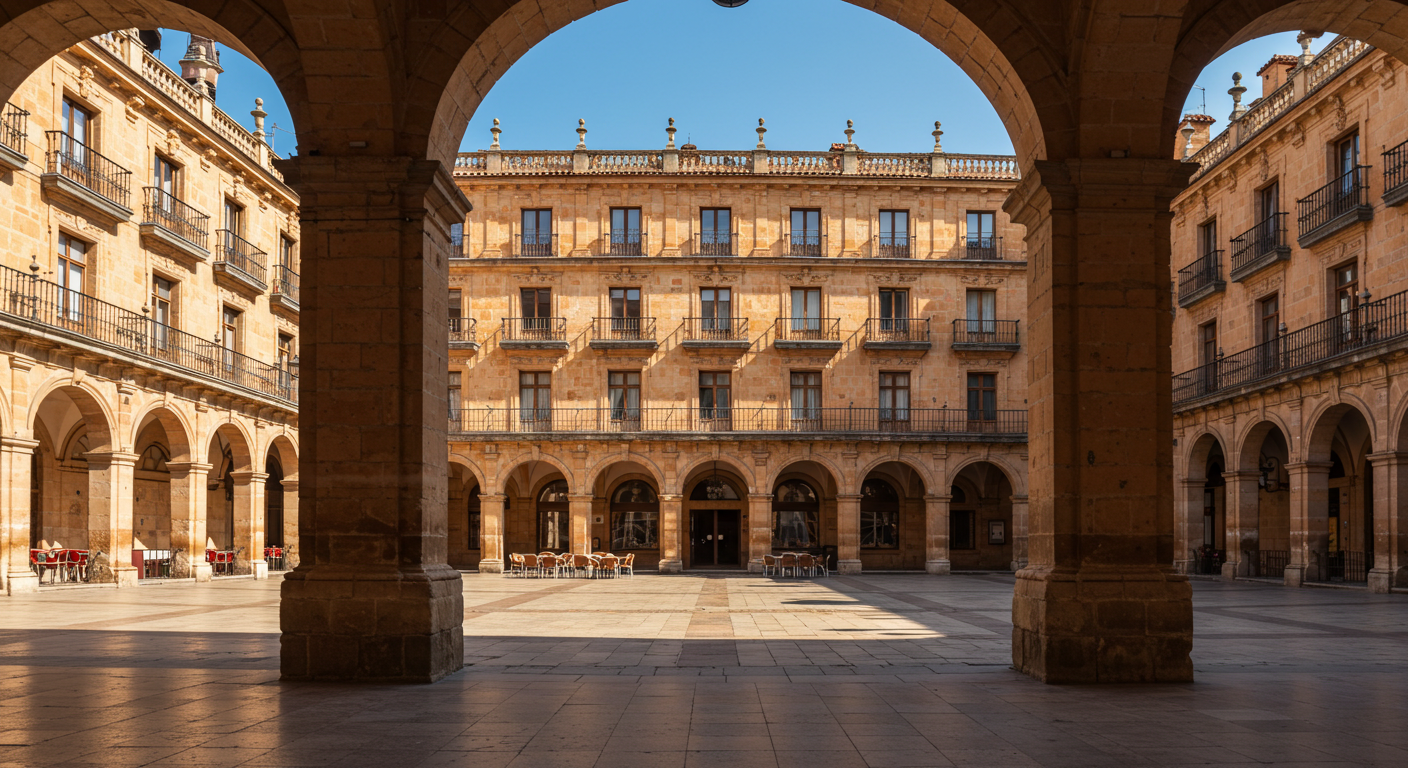
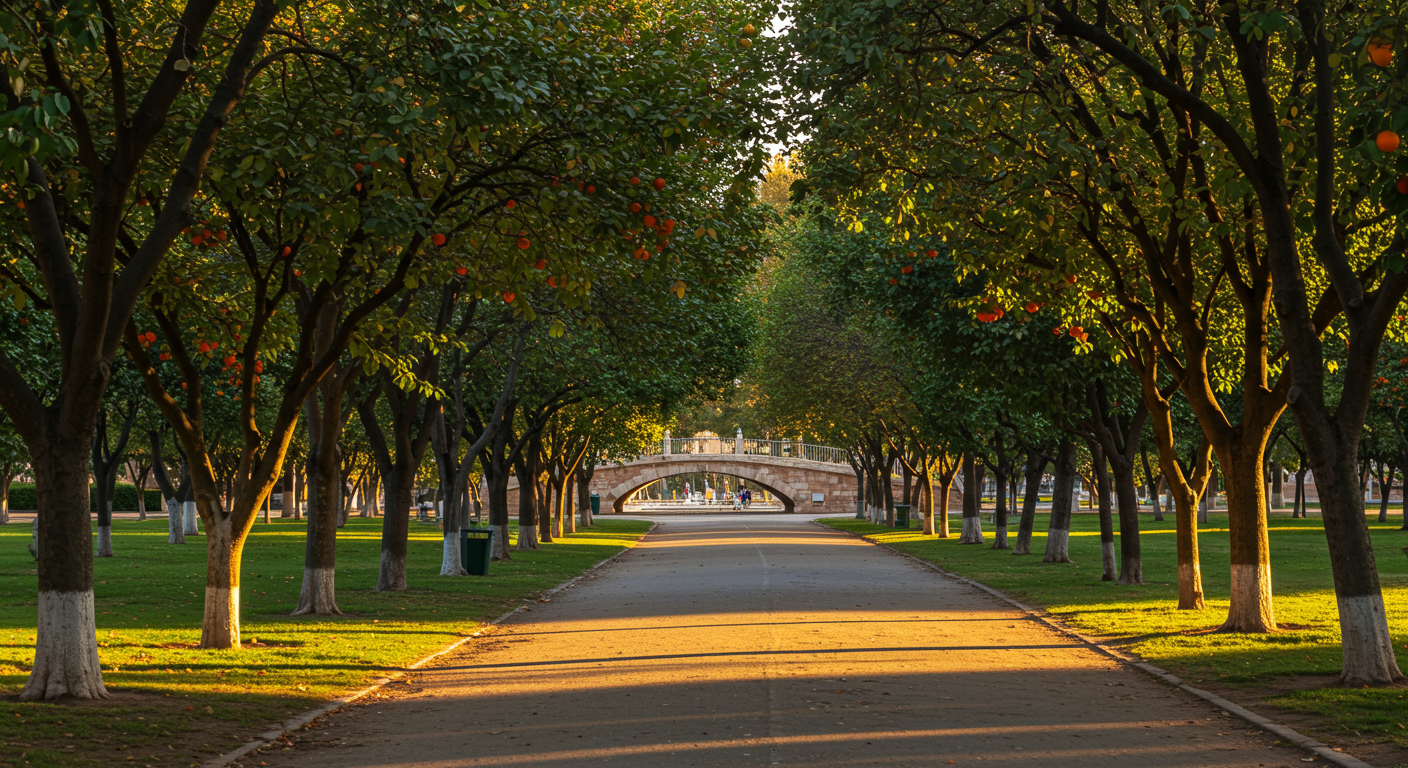
Best Neighbourhoods to Stay in Valencia: Design Hotels & Local Areas
The best neighbourhoods to stay in Valencia Spain — from Ruzafa's design hotels to El Carmen's medieval lanes. Real picks, honest prices, what to skip.
Valencia is a city that rewards knowing where to sleep. Get the neighbourhood wrong and you spend your mornings walking through dreary office blocks or fighting tourists for a café table. Get it right and you feel like you live here within 48 hours.
The best neighbourhoods to stay in Valencia Spain are, broadly: El Carmen for atmosphere and history, Ruzafa for food and design, Eixample for comfort and convenience, and the Malvarrosa beachfront if proximity to the sea outweighs everything else. Each has a different price point, a different character, and a different cluster of decent hotels. Below is the honest breakdown.
El Carmen: Valencia's Most Atmospheric Quarter
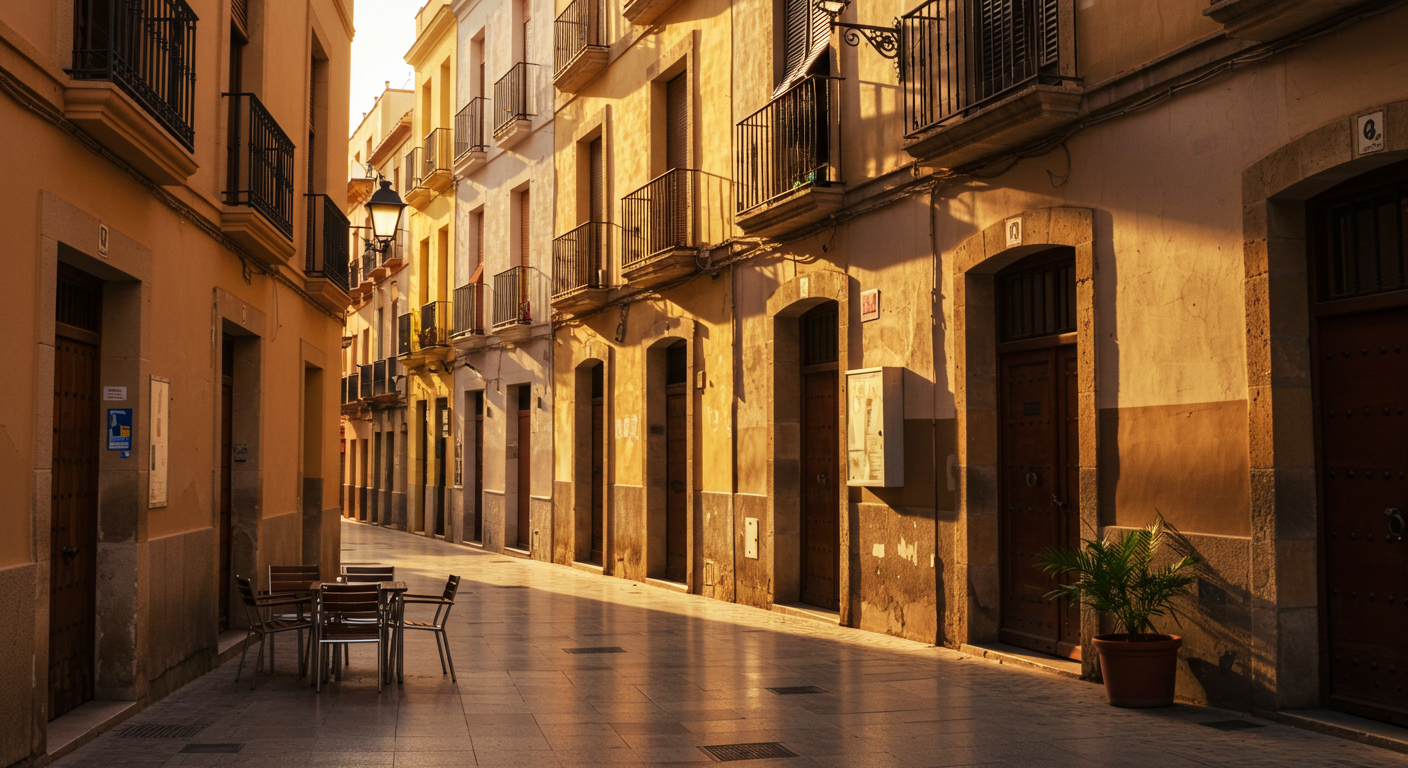
El Carmen is the old city — narrow streets, Moorish walls, baroque doorways, the kind of neighbourhood that makes you understand why people fall in love with Spanish cities. It sits inside the old town (Ciutat Vella), bounded roughly by the Torres de Serranos to the north and the market district to the south. On weekday mornings it's calm and genuinely pretty. On Friday and Saturday nights it turns into one of the city's main nightlife zones, which is either a feature or a bug depending on your disposition.
For hotels, the quality has improved enormously in the last five years. The standout is Caro Hotel on Calle Almirante — a 26-room property built into a 19th-century palace that itself sits on Roman and medieval ruins you can see through glass floors in the restaurant. Rooms run from around €200 to €350 a night as of 2026, which is expensive by Valencia standards but genuinely reasonable for what it is. The breakfast is proper: local tomatoes, good jamón, decent coffee. The roof terrace is worth the rate alone.
More affordable: Petit Palace Germanías and a handful of small boutique guesthouses along Calle de la Bolsería charge €80–€130 for a double. They're fine — clean, characterful enough — but noise can be an issue on weekends. Ask for an interior room.
What El Carmen lacks is good supermarkets and the kind of everyday infrastructure that makes a longer stay comfortable. It's better for two or three nights than a month.
Ruzafa: The Neighbourhood Everyone Talks About (For Good Reason)
Ruzafa gets mentioned so often that it risks feeling like hype. It isn't. It's a genuine working neighbourhood — originally a working-class Valencian barrio, then an immigrant quarter, now a mix of both plus an influx of designers, young professionals, and restaurants that would hold their own in any European capital.
The streets around Calle de Sueca and Calle del Literat Azorín are where you want to be. Café Hannover for coffee, Canalla Bistro (Ricard Camarena's more casual spot) if you want to eat well without the tasting-menu formality, and a dozen natural wine bars that have opened in the last three years. The food market on Calle Dénia is small but excellent for fruit and vegetables.
Hotel options in Ruzafa itself are limited — the neighbourhood's accommodation scene is still catching up to its reputation. Hotel Vincci Mercat is technically just across the boundary near the Mercado de Colón, but it's walkable and one of the better mid-range options in this part of the city (€100–€180 per night). For Ruzafa proper, Casual Ruzafa is a decent budget pick, cheerful and cheap at around €60–€90, though it's more hostel-adjacent in atmosphere than boutique.
The real accommodation sweet spot in Ruzafa is apartments. If you're staying a week or more, renting a flat here makes far more sense than a hotel. The neighbourhood is flat (good for cycling), well-connected by metro and bus, and has everything you need at street level. If you're relocating and scoping the city, Ruzafa is where I'd tell you to base yourself. For the practicalities of securing a longer-term rental, Renting in Spain Without a Spanish Payslip: How Foreigners Do It covers the document headaches you'll encounter as a foreigner.
Eixample: The Overlooked Sensible Choice
Valencia's Eixample (the grid of 19th-century streets between the old town and Ruzafa) is where I'd put anyone who wants a comfortable base without much fuss. It's not Instagram-worthy in the way El Carmen is, but it's genuinely liveable — wide pavements, good transport links, proper shops, and a mix of local and international restaurants that aren't trying too hard.
Eurostars Patios de Cordoba is misleadingly named (it's in Valencia, not Córdoba — a branding decision that has always baffled me) but is a solid four-star in this zone. NH Collection Las Artes, near the Ciudad de las Artes y las Ciencias, is the most design-forward option in the city if you're after something architecturally considered — Calatrava's buildings directly outside, a rooftop pool, rooms from around €150–€250. The location is slightly inconvenient for the old town (a 25-minute walk or a short metro hop), but if you're a Calatrava enthusiast or attending something at the Palau de les Arts, it makes perfect sense.
For pure design hotels in Valencia, the Caro and the NH Collection Las Artes are the two I'd point anyone to without hesitation. Everything else is varying degrees of comfortable-but-generic.
The Beach (Malvarrosa and Cabanyal): Who Is This Actually For?
The Malvarrosa beachfront has a specific appeal that gets oversold. Yes, the beach is long and sandy. Yes, you can eat paella at Las Arenas or La Pepica (where Hemingway ate, as every menu will remind you). But staying on the beachfront itself means you're a 20-minute tram ride from the old town and Ruzafa, which adds up quickly if you're sightseeing.
Cabanyal, the fishermen's quarter just inland from the beach, is more interesting. It went through decades of neglect and a controversial demolition plan that was eventually shelved, and is now in the middle of a slow, patchy gentrification. There are good bars and a few small guesthouses. It feels real in a way the tourist seafront doesn't. Worth an afternoon even if you're not sleeping there.
If you specifically want a beach holiday in Valencia, the beachfront hotels make sense. Las Arenas Balneario Resort is the grande dame of the strip — a proper five-star with a spa, right on the sand, rooms from around €200 upward. For a week of sea and sun with occasional city forays, it works. For a city break where you want to understand Valencia, it doesn't.
Practical Considerations Before You Book
Valencia's public transport is genuinely good. The metro (Metrovalencia) and the extensive bus network mean you're never truly stranded wherever you stay. The tram line from the city centre to the beach is a pleasure. Cycling infrastructure has expanded significantly — the city has invested heavily in bike lanes, and renting a bike for a week (around €40–€60 from one of several hire shops) is often more useful than public transport.
Parking, if you're arriving by car, is a headache in El Carmen and Ruzafa. Both are ZBE (Low Emission Zone) restricted. Know your vehicle's classification before you drive in.
Prices across the board have risen since 2022. A good mid-range double in a central Valencia hotel runs €100–€160 per night as of 2026. The old days of finding a decent four-star for €70 are largely over. Budget accordingly.
If you're planning to stay longer — a few months, say, as a remote worker or someone scoping a potential move — Valencia is one of Spain's more sensible choices. The cost of living is lower than Madrid or Barcelona, the food culture is extraordinary (this is where paella actually comes from, and the local vegetable market culture is serious), and the pace is manageable. The Spanish Digital Nomad Visa on Minimum Salary article is worth reading if you're thinking about making it official. And if you're starting to think about the bureaucratic side of things — bank accounts, registration, all of that — Open a Spanish Bank Account as a Non-Resident in 2026 and Empadronamiento Without a Rental Contract: Your Real Options will save you a lot of confusion.
Which Neighbourhood Should You Actually Choose?
First visit, two to four nights, want atmosphere: El Carmen. Stay at Caro if budget allows; manage your expectations on weekend nights.
Food-focused trip or longer stay: Ruzafa, in an apartment if possible.
Design hotel experience, architectural interest, rooftop pool: NH Collection Las Artes near Ciudad de las Artes.
Beach holiday with Valencia day trips: Las Arenas or the Malvarrosa strip.
Comfortable, no-fuss base for a working trip: Eixample, somewhere near the Colón metro stop.
The one area I'd actively avoid for a first visit is the area immediately around Valencia Nord station — it's fine, perfectly safe, but charmless and further from everything interesting than a map might suggest. There are better options at every price point.
Valencia doesn't demand that you decode it the way Madrid does, or that you fight for it the way Barcelona requires. It's generous with itself. You just need to sleep in the right part of it.
Frequently asked questions
- What is the best neighbourhood to stay in Valencia for first-time visitors?
- El Carmen, in the old town, gives the strongest first impression — medieval streets, good restaurants, and easy walking distance to the cathedral and central market. Ruzafa is a close second if you prioritise food and local atmosphere over historical architecture.
- Are there good design hotels in Valencia, or is it mostly chains?
- There are a few genuinely good ones. Caro Hotel in El Carmen is the standout — boutique, historically layered, and well-run. NH Collection Las Artes near the City of Arts and Sciences is the most architecturally dramatic option. Beyond those two, most of Valencia's hotel stock is competent mid-range rather than genuinely design-forward.
- Is it worth staying on the beach in Valencia rather than the city centre?
- Only if the beach is your primary reason for being there. The Malvarrosa beachfront is about 20 minutes by tram from the old town. It's pleasant but not a neighbourhood with much independent character. For a city break, staying central and day-tripping to the beach makes more sense.
- How much does a decent hotel in Valencia cost per night in 2026?
- Expect to pay €80–€130 for a reliable mid-range double, €150–€250 for a good four-star or boutique property, and €200–€350 for the top end (Caro Hotel, Las Arenas). Budget options in the €50–€80 range exist but quality varies significantly.
- Is Ruzafa safe to stay in Valencia?
- Yes, entirely. Ruzafa is one of the most popular residential neighbourhoods in the city, busy with locals at all hours. Standard city precautions apply — keep an eye on your bag in crowded bars — but it's not a place you need to think twice about.
- Can I get around Valencia easily without a car?
- Easily. The metro, bus network, and tram to the beach are all reliable and cheap (a single fare is under €2, and ten-trip cards bring it down further). The city is also very flat and has good cycling infrastructure, making a hire bike a genuinely useful option for a week-long stay.
- Is Valencia a good base for digital nomads or people considering relocating to Spain?
- It's one of the better ones. Lower costs than Madrid or Barcelona, a serious food culture, good weather for most of the year, and a growing international community. If you're thinking about the visa and registration side of things, it's worth reading up on the Spanish Digital Nomad Visa and what empadronamiento involves before you arrive.