Best Neighbourhoods to Stay in San Sebastián for First-Timers
Wondering which is the best neighbourhood to stay in San Sebastián? Here's an honest, street-level guide to Parte Vieja, Gros, Centro and beyond — with real hotel picks.
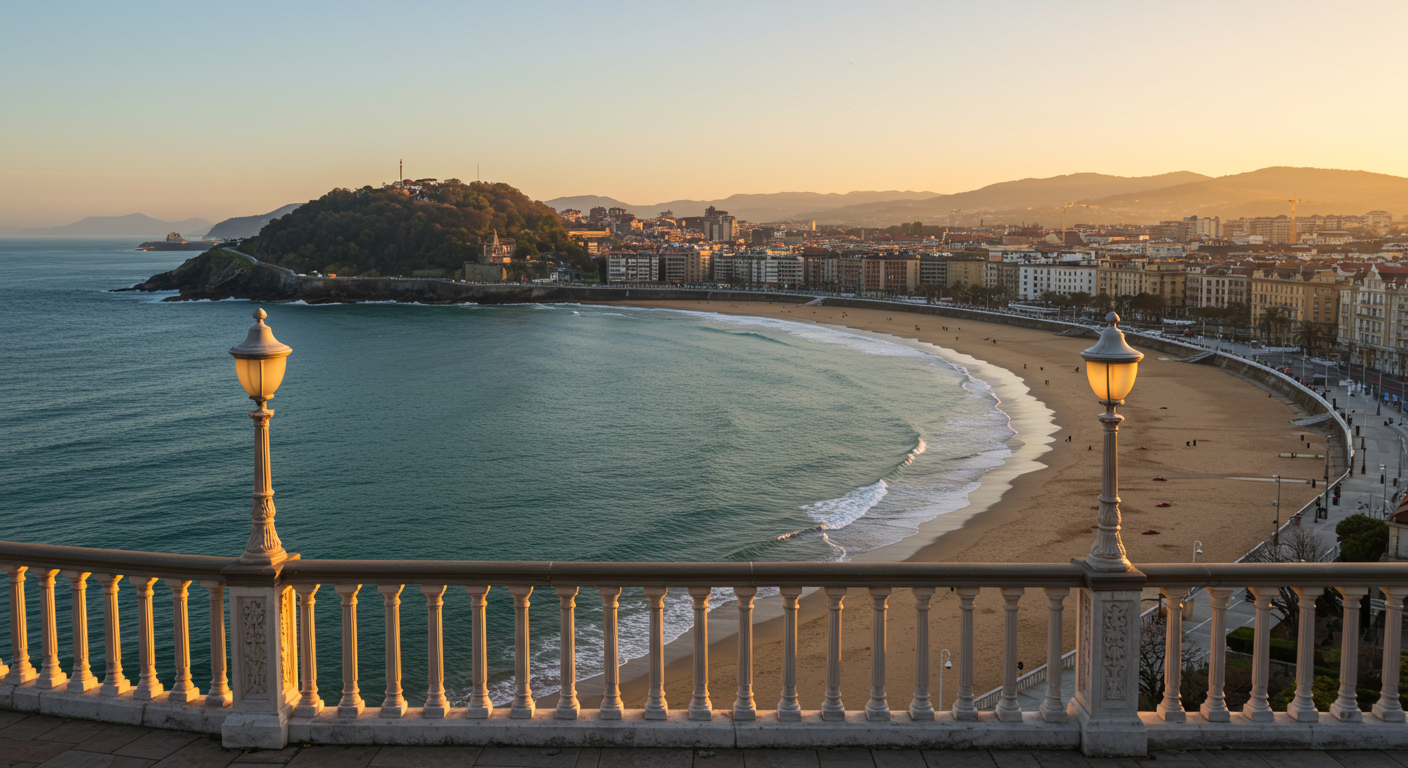
San Sebastián is a small city — you can walk from one end to the other in about thirty minutes — but where you base yourself still matters enormously. The old town's narrow streets smell of txakoli and deep-fry at midnight; Gros has a different pulse entirely, quieter but younger, with a proper surf beach. Choose wrong for your trip and you'll spend half your time retracing your steps.
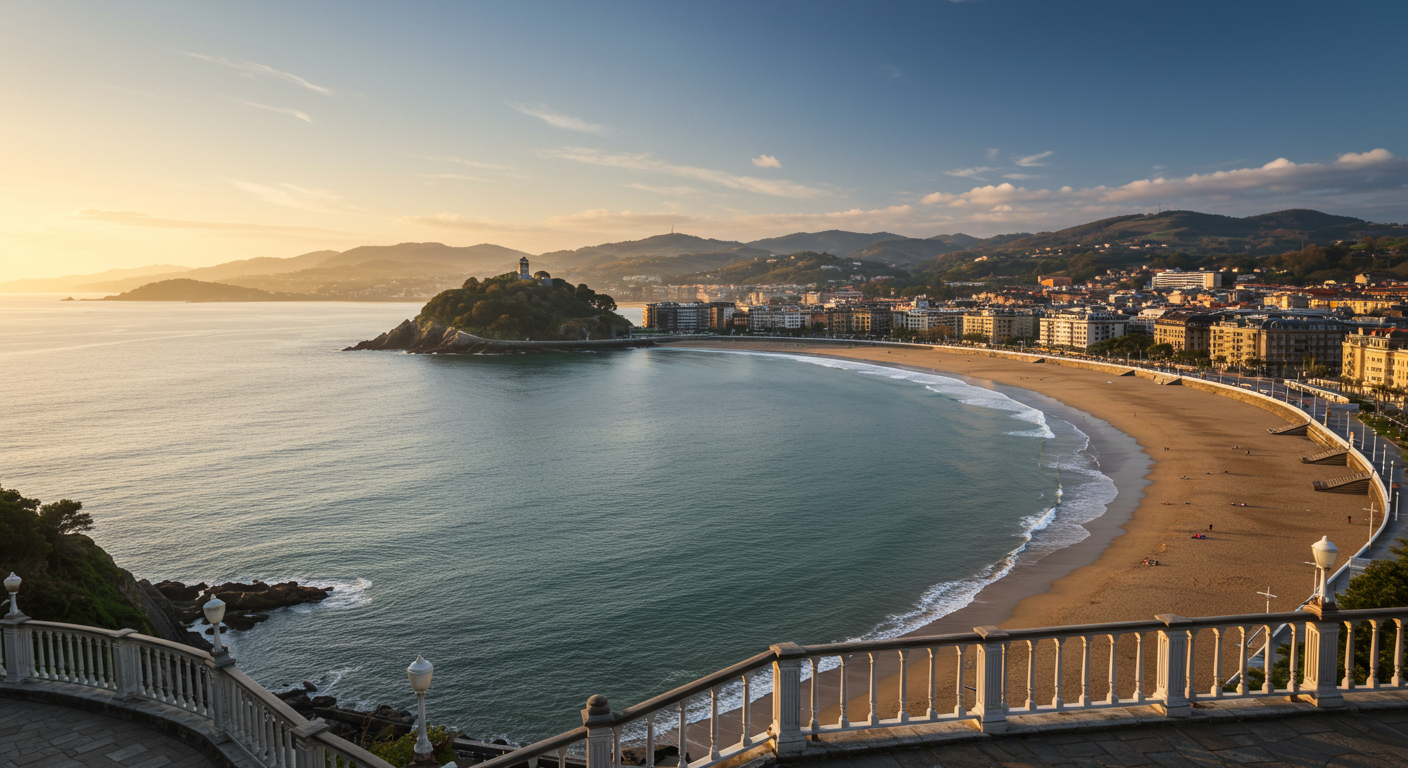
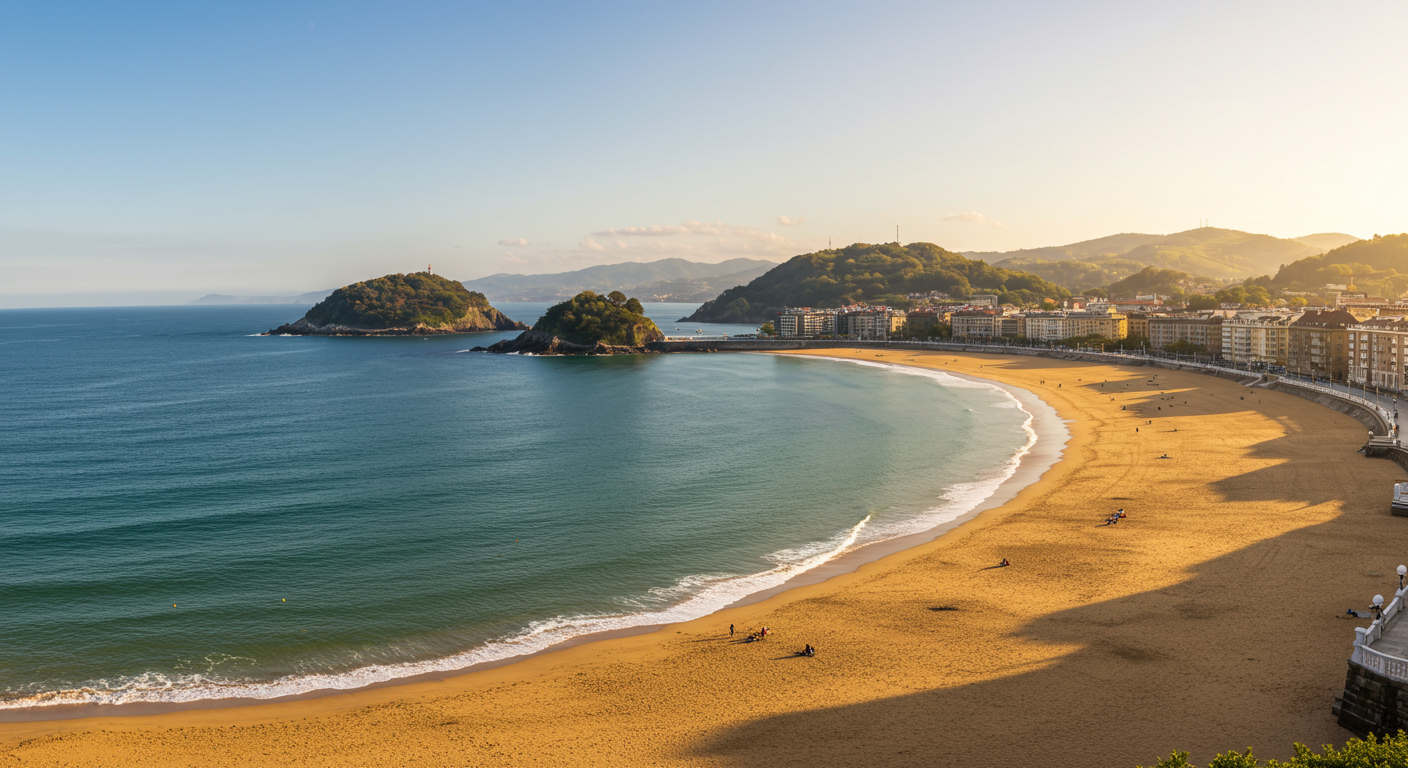
The best neighbourhood to stay in San Sebastián for most first-time visitors is Parte Vieja (the old town), specifically the streets near Calle 31 de Agosto or just south of the Bretxa market. You're within five minutes of the main pintxos bars, the beach at La Concha, and the ferry up to Monte Urgull. That said, Gros is a better choice if you want fewer tourists, lower prices, and a genuine local neighbourhood feel. Centro suits those who want calm and a mid-range hotel without paying old-town premiums.
Parte Vieja: The Obvious Choice That's Still the Right One
Let's be honest: Parte Vieja is loud. On a Friday night in July, Calle Fermín Calbetón is essentially a shoulder-to-shoulder outdoor bar from about 8pm until 2am. If you're a light sleeper who wants the windows open, that's relevant information. Bring earplugs or book a room facing an inner courtyard.
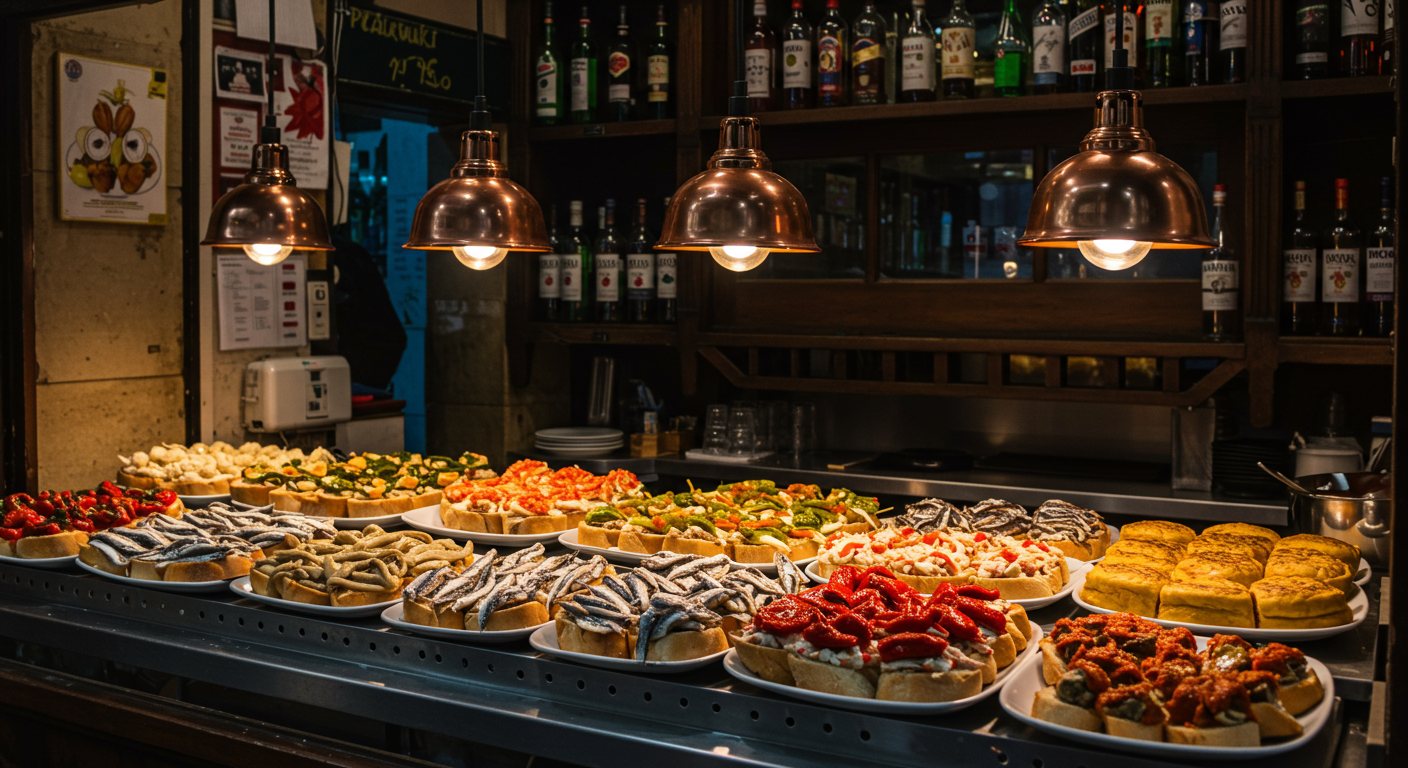
With that caveat stated, it remains the most convenient base in the city. La Concha beach is a four-minute walk north; the covered Bretxa market is two minutes south; the pintxos circuit — Bar Txepetxa for anchovies, Ganbara for wild mushrooms, Bar Borda Berri for slow-cooked meat — is all within a few hundred metres. Staying here means you can nip back to drop off bags, change shoes, return for a second round. It sounds trivial until you've spent a sweaty August afternoon lugging a bag across cobblestones.
Hotel rates in Parte Vieja run from about €120 a night for a simple double in low season to €300+ in August and during Semana Grande (mid-August). Book four to six weeks out in spring; in August, three months is not excessive.
A few specific places worth knowing about:
- Hotel Parma (Paseo de Salamanca 10) — a modest three-star right on the edge of the old town with views toward Monte Urgull. Not flash, but well-run and sensibly priced for the location, usually €100–€150 mid-season.
- Pensión Edorta (Calle Puerto 15) — a small guesthouse on one of the quieter streets of the old town. Rooms are simple but clean; the owners are helpful. About €80–€110 in shoulder season. This is the type of place that books up fast because regulars return.
- Hotel de Londres y de Inglaterra (Zubieta 2) — the grand dame on the La Concha promenade. Expensive (€250–€400 in summer), but if you're celebrating something, the corner rooms overlooking the bay are genuinely special.
Gros: The Neighbourhood Locals Actually Recommend
Cross the Urumea river and the city changes character. Gros — officially Gros, sometimes called Donostiako Gros — is the neighbourhood east of the river, centred on Zurriola beach. This is where young Basques live, where the pintxos bars are less polished and a bit cheaper, and where the surfers congregate in the morning.
Zurriola is not La Concha. It faces the open Atlantic rather than a sheltered bay, which means waves, wind, and a different crowd. In summer it's packed with surfers and families; in winter it's dramatic and largely empty. If you're here for the food and want to walk to Parte Vieja for the evening circuit, Gros is a fifteen-minute stroll across the bridge — very manageable.
For a deeper read on eating your way through the city, the Eating San Sebastián: The Honest Guide to Pintxos, Fine Dining and Everything in Between covers the Gros bar scene specifically, including a few spots that don't appear on the usual tourist maps.
Hotel prices in Gros run about 15–25% lower than comparable places in Parte Vieja. A decent double mid-season is €90–€140.
Specific picks:
- Hotel Zaragoza (Calle Zubieta, Gros side) — no-frills, friendly, and well-placed for both Zurriola and the river crossing. Around €80–€100 in shoulder season.
- Astoria7 (Sagrada Familia 1) — a design hotel that takes its Basque cinema heritage seriously; the corridors are lined with old film posters. A step up in quality and price (€150–€220), but one of the most individual places to sleep in the city.
Centro: Calm, Practical, Slightly Dull
The Centro district — the 19th-century grid between the old town and the river — is where you end up if you want a proper hotel room, quiet nights, and easy access to the train station at Amara. It's not unpleasant; the Buen Pastor Cathedral is here, the Mercado de San Martín is an underrated food market, and the streets are wide and manageable.
The honest truth is Centro lacks atmosphere. You're a ten-minute walk from everything but not really in anything. Good option for business travellers or families with young children who need the sleep. Also useful if you're arriving by Renfe from Madrid or Bilbao, since the Amara station is right here.
Worth noting:
- NH Collection Aranzazu (Vitoria-Gasteiz 1) — part of a reliable chain, but one of the better-run hotels in the city for its price bracket (€120–€180 mid-season). Pool in summer, which in a city without many hotel pools is actually a selling point.
- Mercure Monte Igueldo — technically on the hill above the city, not in Centro, but worth a mention for families. It's a bit of a trek to everything, but the views over La Concha from the terrace are extraordinary and the rates are often lower than central options.
Antiguo and Ondarreta: For Longer Stays
If you're spending more than a week — perhaps exploring the Basque coast, or working remotely for a month — the residential neighbourhood of Antiguo, west of the city centre near Ondarreta beach, is worth serious consideration. This is where San Sebastián's university is, where families with money live quietly, and where you can rent a flat for considerably less than you'd pay for a hotel room per night.
Ondarreta beach itself is calmer than La Concha and far less crowded. The promenade here connects to the funicular up Monte Igueldo, which is worth doing once — the views are genuinely good, even if the amusement park at the top is a slightly melancholy relic.
For anyone thinking about a longer stay — a month or more — the practical side of settling in, including getting a NIE and registering properly, is covered in the Getting Your NIE and TIE in Spain: A Step-by-Step Guide for New Residents. San Sebastián is part of the Basque Country's own administrative system, which has a few wrinkles compared to the rest of Spain; worth reading before you assume everything works the same way.
Practical Notes on Booking
San Sebastián has no international airport worth using — Biarritz (France) is closest, about 45 minutes by taxi or shuttle, and Bilbao is an hour by bus. The Alsa bus from Bilbao airport runs regularly and drops you near Amara station; it costs around €17–€20 as of 2026. The city's own airport at Hondarribia handles a few domestic routes.
Parking is a genuine problem. The old town and Gros have almost no street parking, and garages fill fast. If you're arriving by car, build in the cost of a central car park (€20–€30 per day in high season) or leave the car at your hotel if it has its own. Honestly, the city is small enough that you don't need a car once you're here.
For longer stays, the question of where to rent rather than book a hotel comes up quickly. San Sebastián's rental market is tight — the Basque Country has some of the highest property prices in Spain — and short-term tourist rentals have faced increasing regulation. The longer you stay, the more the practical side of things matters; the Opening a Spanish Bank Account as a Non-Resident in 2026 guide is useful background if you're starting to put down any kind of roots.
A Note on Semana Grande
The third week of August is Semana Grande (Aste Nagusia in Basque) — the city's biggest festival, a full week of concerts, fireworks over the bay, and approximately twice the normal number of people in every bar. It's worth experiencing once. It is not the week to discover the city for the first time. Accommodation sells out months in advance, prices roughly double, and the old town becomes almost impassable by 10pm.
If your trip coincides with it, lean in and book early — La Concha at midnight with fireworks reflecting off the water is a genuinely memorable thing. If you wanted a quieter introduction to the city, aim for May, June, or September instead. September is arguably the best month: warm, less crowded, the film festival brings a certain energy, and the pintxos bars are still running at full pace.
For a sense of how Spanish coastal cities handle their big summer festivals more broadly, the piece on The Best Beaches in Spain for Summer 2026: A Curated Coast-by-Coast Guide has useful context on timing your visits to avoid the worst of the crowds.
Wherever you end up staying, the key thing to know is this: San Sebastián rewards walking. Book somewhere you can return to on foot after the last bar, even if your feet hurt. That's really the whole logic of the choice.
Frequently asked questions
- What is the best neighbourhood to stay in San Sebastián for first-time visitors?
- Parte Vieja (the old town) is the most convenient base — you're within walking distance of La Concha beach, the main pintxos bars, and Monte Urgull. For a quieter, slightly cheaper stay with a more local feel, Gros across the river is an excellent alternative.
- Is Gros or Parte Vieja better for pintxos bars?
- Parte Vieja has the highest concentration of pintxos bars and is where most visitors go. Gros has its own strong bar scene — arguably less tourist-facing and a little cheaper — centred on streets like Calle Zabaleta. Serious eaters usually do both.
- How far in advance should I book a hotel in San Sebastián?
- For peak summer (July–August), book at least two to three months ahead. During Semana Grande (third week of August), six months is not excessive and prices roughly double. Shoulder season (May–June, September–October) you can usually find good rooms two to four weeks out.
- Is San Sebastián worth visiting outside of summer?
- Absolutely. September is arguably the best month — warm, less crowded, and the city's film festival adds energy. The pintxos bars are at their best in autumn when the new season's produce comes in. Even January and February are pleasant for a long weekend focused on food and the dramatic winter coastline.
- How do I get from Bilbao airport to San Sebastián?
- The Alsa bus from Bilbao airport to San Sebastián runs regularly throughout the day and takes about an hour. As of 2026 the fare is roughly €17–€20. A taxi or private transfer costs around €100–€120. There is no direct train from Bilbao airport to San Sebastián.
- Are there good hotels in San Sebastián with parking?
- Most central hotels do not have on-site parking — the city is too compact. A handful of larger hotels in Centro (such as the NH Collection Aranzazu) offer parking arrangements nearby. Budget €20–€30 per day for a public garage in high season, and confirm with your hotel before arrival.
- What is Semana Grande in San Sebastián and when does it happen?
- Semana Grande (Aste Nagusia in Basque) is San Sebastián's main summer festival, held in the third week of August. It runs for about nine days and includes nightly fireworks over La Concha bay, concerts, street events and a general city-wide party atmosphere. Accommodation books up months in advance.