Is Spain Expensive for Tourists in 2026? Daily Budget by City
How much does a trip to Spain cost per day in 2026? Realistic daily budgets for Madrid, Barcelona, Seville, Valencia and more — from €50 shoestring to €200+.
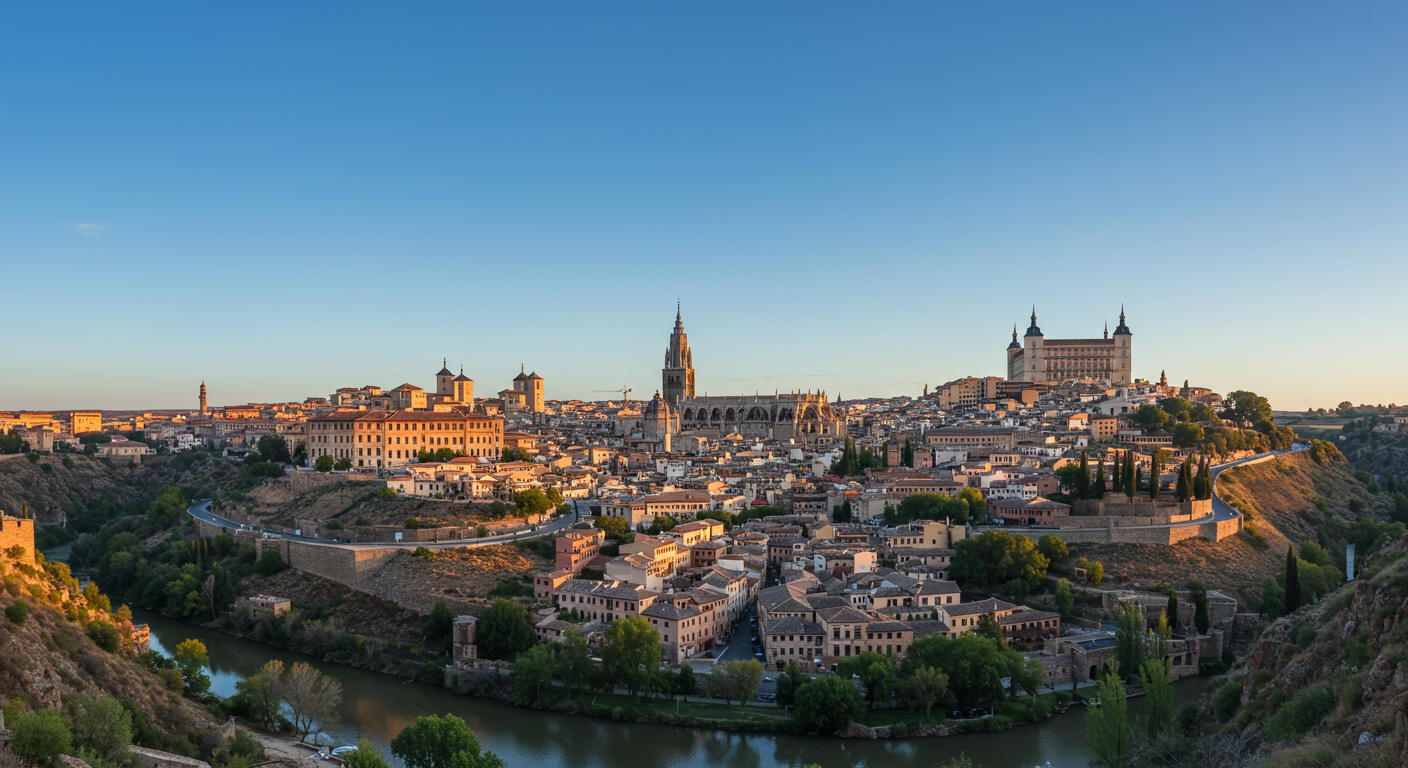
Spain's reputation as Europe's bargain destination is only half-true these days. It depends enormously on where you go, when you go, and whether you eat where locals actually eat or wander into the first place with an English menu and photos of paella on the wall.
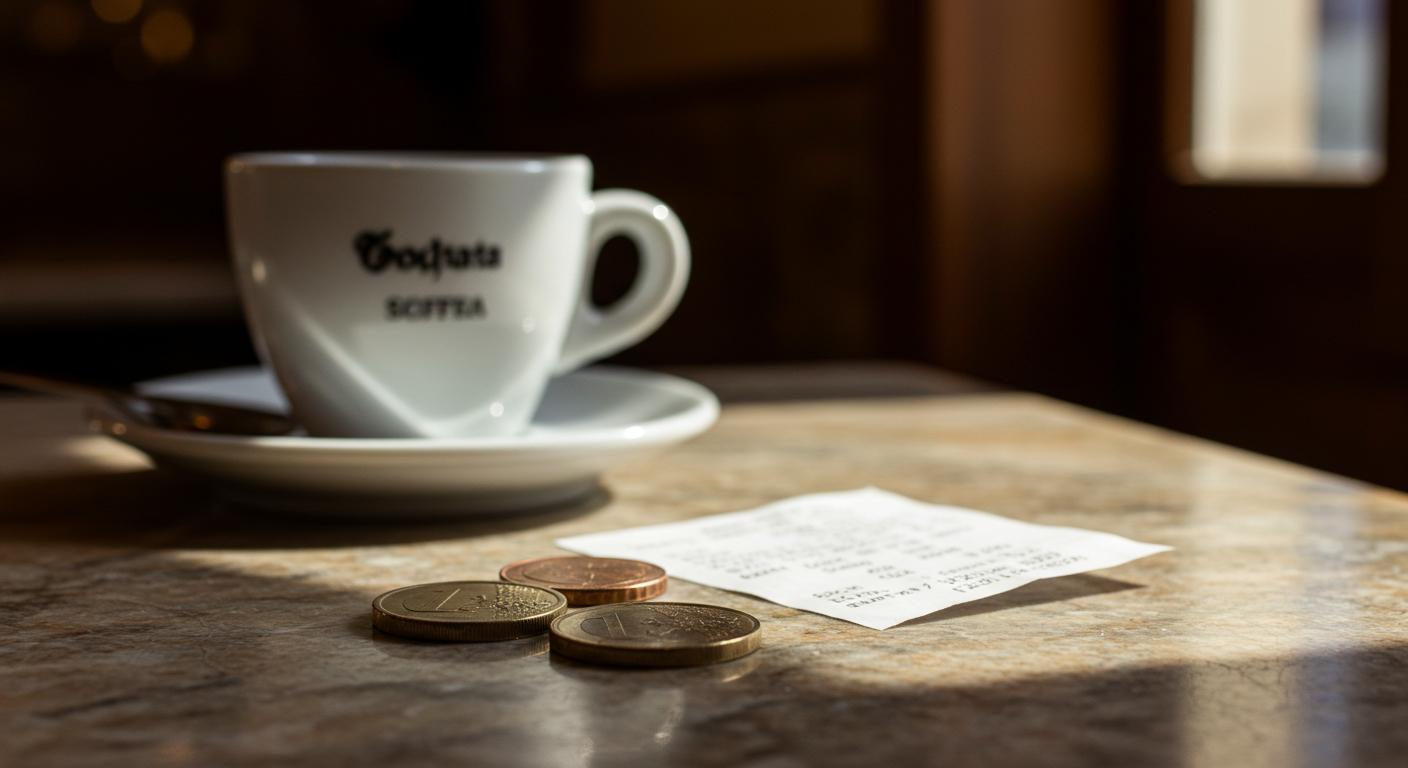
The short answer to how much a trip to Spain costs per day in 2026: somewhere between €55 and €180 for most travellers, depending on the city and your style. A careful budget traveller can still get by on €55–70 a day in smaller Andalusian cities. Barcelona and San Sebastián will comfortably drain €120–150 a day if you're not watching yourself. Madrid sits in the middle. The Canary Islands, surprisingly, are often cheaper than mainland cities if you self-cater. Below, I've broken it down city by city, with real numbers from this year.
What's Driving Costs Up in 2026
A few things have genuinely changed since the pre-pandemic era. Short-term rental prices have climbed sharply in cities like Barcelona, Seville and Málaga — partly due to legislation, partly due to demand — so accommodation is no longer the obvious steal it once was. Eating out has crept up too, though it remains cheaper than the UK, Germany or Scandinavia at equivalent quality. The €12 menú del día — a three-course lunch with wine and bread — still exists, but you have to hunt for it in tourist-heavy areas. In central Barcelona or the Barrio de Santa Cruz in Seville, you're more likely to find €18–22 set lunches these days.
Fuel and intercity travel are broadly reasonable. The high-speed AVE network means Madrid to Seville (about 2.5 hours) often costs €30–60 booked a few days ahead, less if you plan further out.
Madrid: The Balanced Option
Madrid is, frankly, the most underrated capital in Western Europe for value. It doesn't have the beach premium, and unlike Barcelona it hasn't been swamped by the same volume of stag parties and Instagram tourists (though Malasaña on a Friday night tells a different story).
A realistic mid-range day in Madrid in 2026 looks like this: a hostel dorm runs €22–30, a budget private room €60–90 in areas like Lavapiés or Argüelles. A menú del día in a no-frills bar in Chamberí will set you back €13–15. Evening tapas in La Latina — a caña (small beer) and a pincho — runs roughly €2–3 per round if you avoid the tourist traps on Cava Baja itself and duck into the side streets. Metro travel is capped at €1.50–2 per journey on the 10-trip card. A single museum — the Prado, Reina Sofía, Thyssen — is €15–20, though Tuesday evenings at the Prado are free.
Budget day (hostel, self-catering breakfast, menú del día, one beer, museum): €55–70 Mid-range day (private room, café breakfast, sit-down lunch and dinner, a couple of drinks): €100–130 Comfortable/splurge (boutique hotel, good restaurant dinner): €180–250+
Barcelona: Beautiful, But Watch the Bill
Barcelona is Spain's most expensive city for tourists, and the gap has widened. Accommodation in the Eixample or near the Gòtic costs meaningfully more than Madrid — expect €80–120 for a decent private room in a central hostel or cheap hotel, and considerably more in high season (June–September). The city has also cracked down on tourist apartments, which has pushed prices up and availability down for short-term visitors.
Food is where it bites. A coffee and croissant in a café near Las Ramblas? €4–6. The same in a neighbourhood bar in Gràcia? €2.50. The lesson is the same as it's always been — walk five minutes from the obvious tourist circuit and prices drop noticeably. The Boqueria market is largely a photo opportunity now; go to Mercat de l'Abaceria in Gràcia or Mercat de Santa Caterina for actual food shopping.
Transport is efficient and cheap — a T-Casual 10-trip card covers metro, bus and tram and costs around €12.15 as of 2026. Sagrada Família entry is €26–36 depending on the ticket tier; book weeks ahead in summer or you simply won't get in.
Budget day: €70–90 (and that's disciplined) Mid-range: €120–160 Splurge: €200–300+ (and Barcelona has enough Michelin stars to justify it if that's your thing)
For a stretch of coast near the city that won't destroy your budget, the Costa Brava beaches and hidden calas north of Barcelona are an easy day trip and the calas are free.
Seville and Andalusia: Still Genuinely Good Value
Seville remains one of the best-value cities in Spain for tourists, as long as you go in spring or autumn. July and August in Seville are brutal — 40°C-plus heat that empties the locals out and fills it with tourists who don't know any better. If you go in April for the Feria, hotel prices triple. Time it right, though — October, say, or March — and you'll find excellent value.
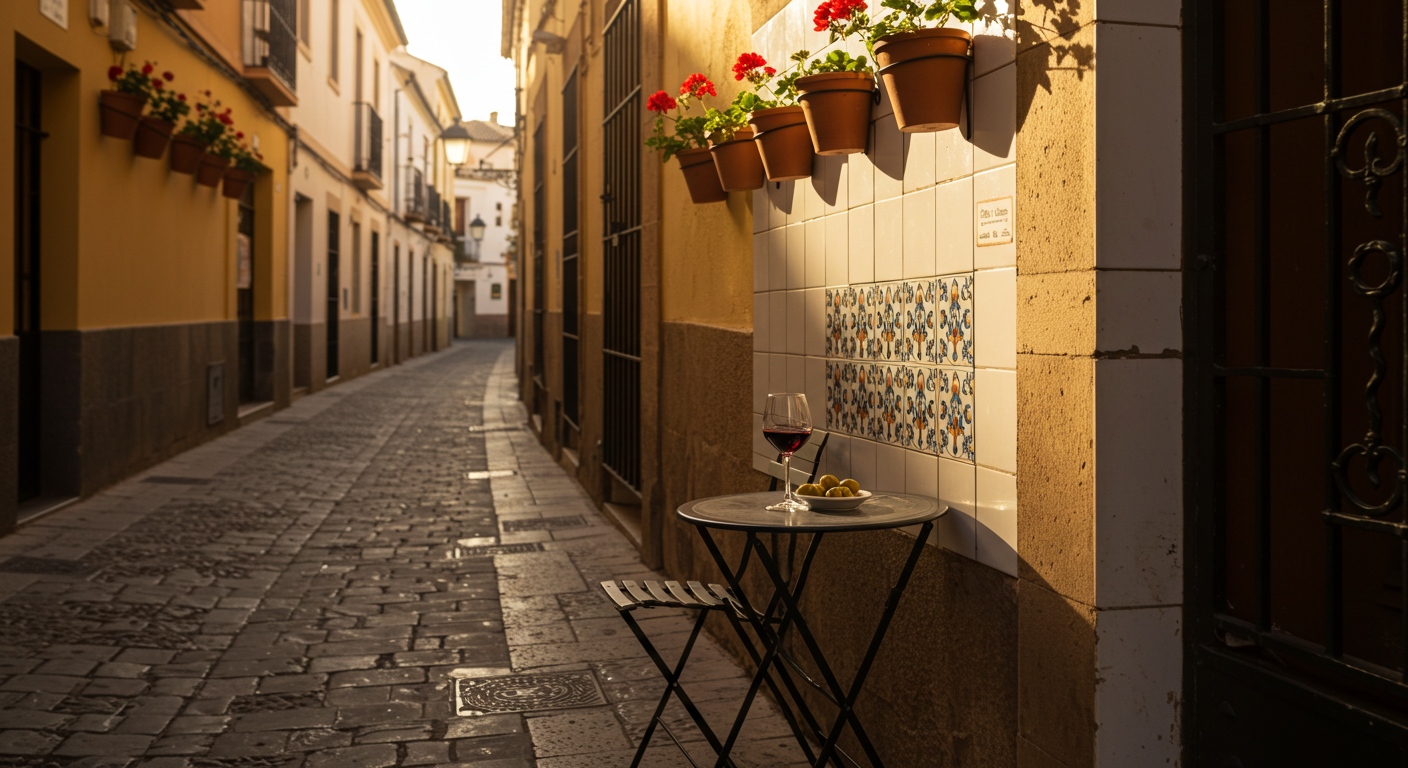
A simple room in the Triana neighbourhood runs €50–75. Tapas here are still frequently free with a drink in old-school bars (particularly in the Centro and Triana), a tradition that's largely died in Madrid and Barcelona but clings on in parts of Andalusia. A full sit-down dinner with wine at a decent local restaurant: €20–30 per person. An ice-cold manzanilla from the barrel costs about €1.80.
Granada takes this even further — the free tapas tradition is alive and well there, and accommodation is cheaper than Seville. If you want to understand what slow, unhurried, affordable Spain actually feels like, spend a week there. I've written a full piece on how to actually live the city of Granada if you want the deep version.
Budget day in Seville/Granada: €50–65 Mid-range: €90–120
Málaga has crept up in price as it's become a digital nomad hub, but it's still cheaper than Barcelona. Córdoba and Cádiz are the real bargains of Andalusia right now.
Valencia: Underrated and Affordable
Valencia doesn't get the tourist volumes of Barcelona or Seville, which keeps prices reasonable and the locals slightly less exhausted by visitors. It also has the Turia park, excellent beaches within cycling distance, and the best rice dishes in Spain (yes, I'll stand by that — the paella debate ends here).
A good private room in the Ruzafa or El Carmen neighbourhoods: €55–80. A proper arròs a banda or paella valenciana at a neighbourhood restaurant: €14–18 per person at lunch. The city's bike-share scheme (Valenbisi) costs €2 a week for tourists and covers most of the city. The Oceanogràfic aquarium is overpriced at €36; the IVAM contemporary art museum is €6 and genuinely good.
Budget day: €55–70 Mid-range: €95–120
San Sebastián: Expensive, Worth It
San Sebastián is the outlier. It is not cheap. It is the most expensive city in Spain to eat and drink in, and accommodation in the Parte Vieja fills up fast and costs accordingly — €90–140 for a basic double room in summer is normal. But the food culture is extraordinary, and pintxos bars mean you can eat extraordinarily well for €25–35 if you do it the right way: stand at the bar, eat the pintxos on the counter (the freshest ones), drink txakoli or a small beer, move on. Sitting down at a table triggers a full-service charge that adds 30–40% to your bill.
I've covered the full eating strategy in the honest guide to pintxos and fine dining in San Sebastián — worth reading before you go.
Budget day (pintxos, walking, hostel): €80–100 Mid-range: €140–180 With a Michelin dinner: budget an extra €150–300 per person on top.
The Islands: A Different Calculation
The Balearics (Mallorca, Menorca, Ibiza) are expensive in summer — particularly Ibiza, which is in a category of its own for nightlife spending. Mallorca has a huge range: Palma itself is a genuinely lovely city to spend time in, and if you rent a car and stay outside the resort strips, costs are manageable. Menorca is calmer and slightly cheaper. If you're going in summer, the beaches are spectacular but book accommodation months ahead.
The Canary Islands (Tenerife, Gran Canaria, Lanzarote) are year-round destinations and often better value than the mainland, particularly if you self-cater. Grocery prices are lower due to different tax rules (IGIC instead of IVA). A supermarket shop in Tenerife genuinely costs less than the same basket in Madrid.
Balearics mid-range summer day: €120–160 (Ibiza: add 50%) Canaries mid-range day: €70–100
The Costs Nobody Mentions
A few things that catch people out:
- Airport transfers are consistently overpriced if you take a taxi without checking the fixed rate first. Madrid Barajas to the centre is a fixed €33 by taxi; Barcelona El Prat to the centre by Aerobus is €6.75. Always check both.
- Museum queuing time costs you lunch hours. Pre-book everything in Barcelona and Madrid in summer.
- Tipping is not mandatory in Spain and locals rarely leave more than rounding up the change. Leaving 10% is generous; leaving nothing is normal. Don't let a card reader guilt you into 20%.
- Water at restaurants — asking for agua del grifo (tap water) is your right and is free. Many restaurants will bring bottled water without asking; you don't have to take it.
- Siesta hours still affect smaller towns and some museums — typically 2pm–5pm. Plan around them or you'll arrive at a closed door.
A Rough Daily Budget Summary
To put it plainly, here's where each city sits for a mid-range independent traveller in 2026:
- Granada / Cádiz / Córdoba: €60–90
- Valencia / Seville / Málaga: €80–120
- Madrid: €90–130
- Barcelona: €110–160
- San Sebastián: €130–180
- Mallorca (Palma, off-resort): €110–150
- Ibiza: €160–250+
- Canary Islands: €70–110
Spain is not as cheap as it was in 2015, but it remains considerably better value than France, the UK or the Netherlands at equivalent quality. The trick, as it's always been, is eating where Spaniards eat, sleeping slightly off-centre, and travelling between cities by train rather than flying. Do those three things and you'll eat better, spend less, and understand the country more.
One last thing: if you're thinking about staying longer than a holiday — working remotely, relocating, or testing the lifestyle — the cost picture shifts considerably. Opening a Spanish bank account as a non-resident is the practical first step, and it's less painful than it used to be.
Frequently asked questions
- How much does a trip to Spain cost per day on a budget in 2026?
- A disciplined budget traveller can manage €55–70 per day in smaller Andalusian cities like Granada or Cádiz — staying in a hostel dorm, eating a menú del día at lunch, and having a couple of drinks in the evening. Madrid is roughly €65–80 on a tight budget. Barcelona is hard to do for under €75–80 even carefully.
- Is Barcelona more expensive than Madrid for tourists?
- Yes, noticeably so. Accommodation in Barcelona averages 20–30% higher than Madrid for comparable rooms, and food and drink near the main tourist areas costs more. Madrid also has more free or low-cost cultural attractions. For most budget-conscious travellers, Madrid is the better value capital.
- Is Spain still cheaper than France or the UK for tourists?
- Yes, substantially. A mid-range meal for two with wine in a decent Spanish restaurant will typically cost €40–60; the equivalent in Paris or London is €80–120. Accommodation is also cheaper across the board, and public transport in Spanish cities is significantly less expensive than London.
- When is Spain cheapest to visit?
- Shoulder seasons — March to May and late September to November — offer the best combination of good weather and lower prices. August is peak season everywhere, with higher accommodation rates and crowded attractions. The Canary Islands are an exception: they're popular year-round and relatively stable in price, with winter being their high season.
- How much should I budget per day for food in Spain?
- On a budget: €20–25 (self-catered breakfast, menú del día for lunch, tapas or supermarket for dinner). Mid-range: €40–60 (café breakfast, sit-down lunch, restaurant dinner with drinks). If you're eating at good restaurants every night, €70–100+ per person per day for food and drink alone is realistic, especially in Barcelona or San Sebastián.
- Are the Canary Islands cheaper than mainland Spain for tourists?
- Generally yes. The Canary Islands operate under a lower tax regime (IGIC at 7% rather than mainland IVA at 21% for many goods), which makes groceries, fuel and some services noticeably cheaper. Self-catering in the Canaries is particularly good value. Resort accommodation can still be expensive in peak winter season, however.
- Is tipping expected in Spain?
- No, not in the way it is in the US or increasingly the UK. Rounding up the change or leaving a euro or two after a meal is considered generous. Leaving nothing is completely normal and not considered rude. Tipping 10–15% is rare and reserved for genuinely exceptional service. Do not feel pressured by card reader prompts asking for a percentage.