A Slow Week in Galicia: Beyond the Camino
Galicia rewards travellers who slow down. A loose seven-day route through the Rías Baixas, Atlantic cliffs and granite villages — with the seafood, weather and pacing notes you actually need.
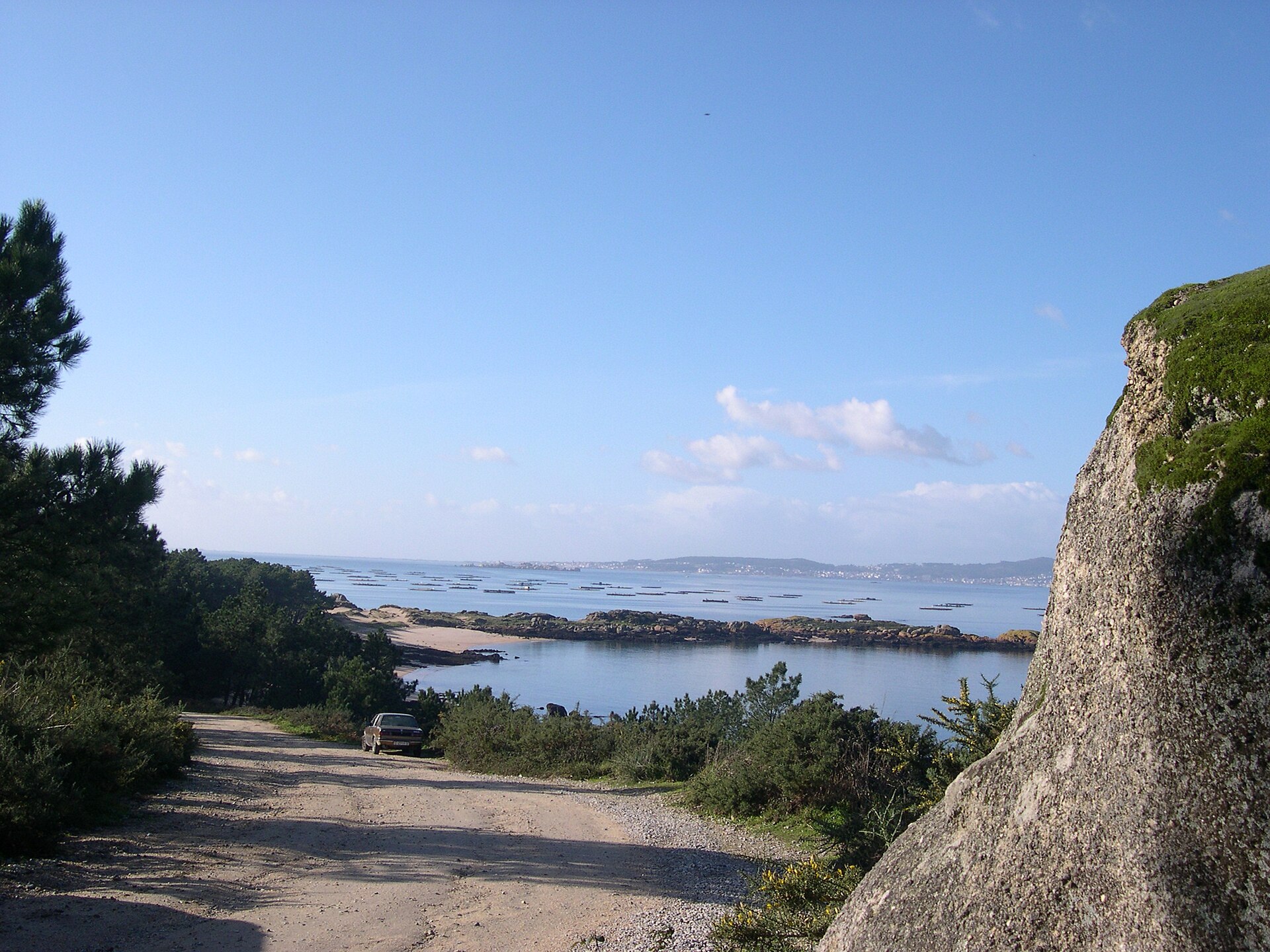
Most people meet Galicia at the end of the Camino de Santiago, footsore and triumphant in the cathedral square. That's a fine introduction, but it's the prologue, not the book. Spain's green northwest corner is a place of rías — drowned river valleys that finger inland from the Atlantic — granite villages, and some of the best seafood in Europe. Give it a slow week and it changes how you think about Spain.
Why slow is the only way
Galicia's geography punishes hurry. The coast crinkles endlessly; the inland roads wind through eucalyptus and stone. Trying to "see it all" in three days means seeing motorways. The reward structure here favours the unhurried: a long lunch over pulpo á feira, an afternoon when the orballo (the famous fine mist) lifts and the light goes golden over a hidden cove.
A loose seven-day shape
This isn't an itinerary so much as a rhythm. Adjust freely.
Days 1–2: Santiago de Compostela, slowly
Stay a second night even if you didn't walk. Santiago without a backpack and a deadline is a different city — granite arcades in the rain, the mercado de Abastos in the morning, a quiet tarta de Santiago in the afternoon.
Days 3–4: The Rías Baixas
Head to the southern rías around Pontevedra and the Salnés peninsula. This is albariño country — crisp, saline white wine made for the shellfish hauled out of the same water. Base yourself in Cambados or Combarro, whose seafront hórreos (granite grain stores on stilts) look almost unreal.
Days 5–6: The wild north and the Costa da Morte
The "Coast of Death" earned its name from shipwrecks, and it's the most dramatic stretch — Cabo Fisterra, long empty beaches, lighthouses on cliffs above a heaving Atlantic. Fewer tourists, bigger weather.
Day 7: Inland to Ribeira Sacra
End somewhere green and steep. The Ribeira Sacra's vertiginous river canyons and terraced vineyards are a complete contrast to the coast — Romanesque monasteries and boat trips along the Sil.
What to eat
Don't overthink it. Pulpo á feira (octopus with paprika and olive oil), percebes (goose barnacles, expensive and worth it once), empanada, navajas (razor clams), and as much albariño as the afternoon allows. The rule in Galicia is to eat what was landed nearby that morning.
A note on weather
Galicia is green for a reason. It rains — even in summer it can turn grey and cool. Pack a proper layer and a rain shell, and reframe the weather as part of the texture rather than a problem. A misty morning over the ría is the whole point.
Come for the Camino if you like. But leave time to stay.