How to Register for Public Healthcare in Spain as a Foreigner
Public vs private healthcare in Spain for foreigners: how to get a tarjeta sanitaria, what it costs, and what private insurance actually covers. Updated 2026.
How to Register for Public Healthcare in Spain as a Foreigner
Spain's public health system — the Sistema Nacional de Salud, universally shortened to SNS — is genuinely good. Not perfect, not fast, but good. Walk into a Spanish urgencias with a broken arm at 2 a.m. and you will be treated, competently, without being handed a bill on the way out. The question for anyone moving here from abroad isn't whether the system works. It's whether you can access it, and how to get yourself onto it before something goes wrong.
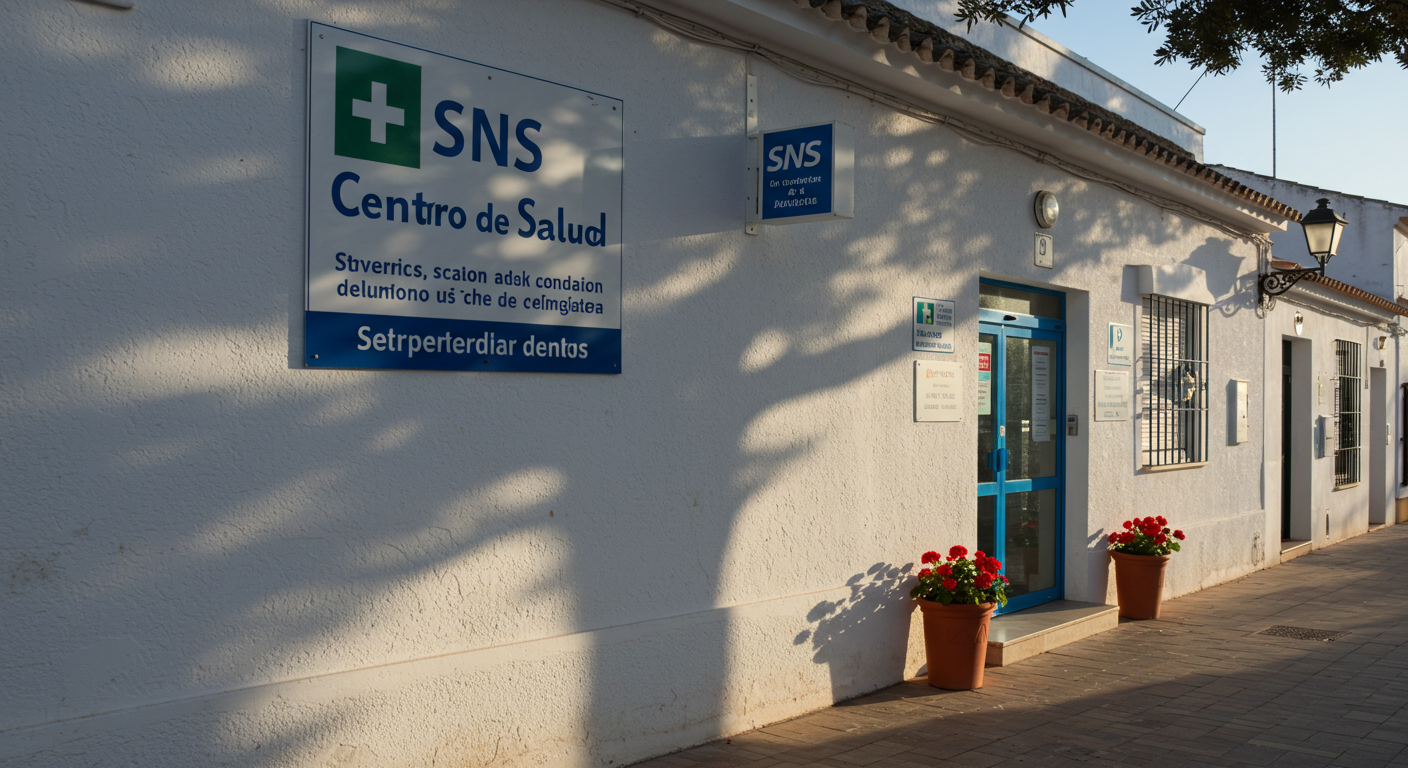
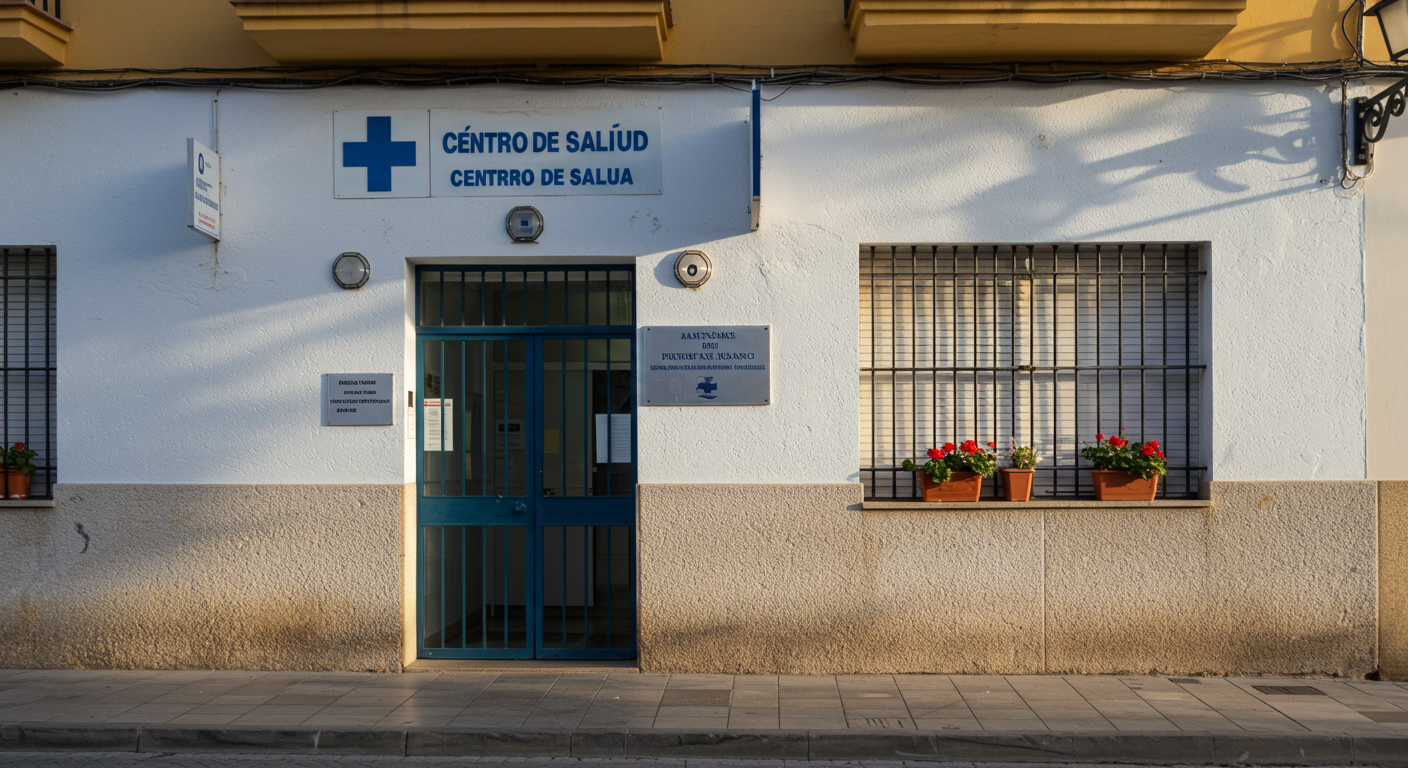
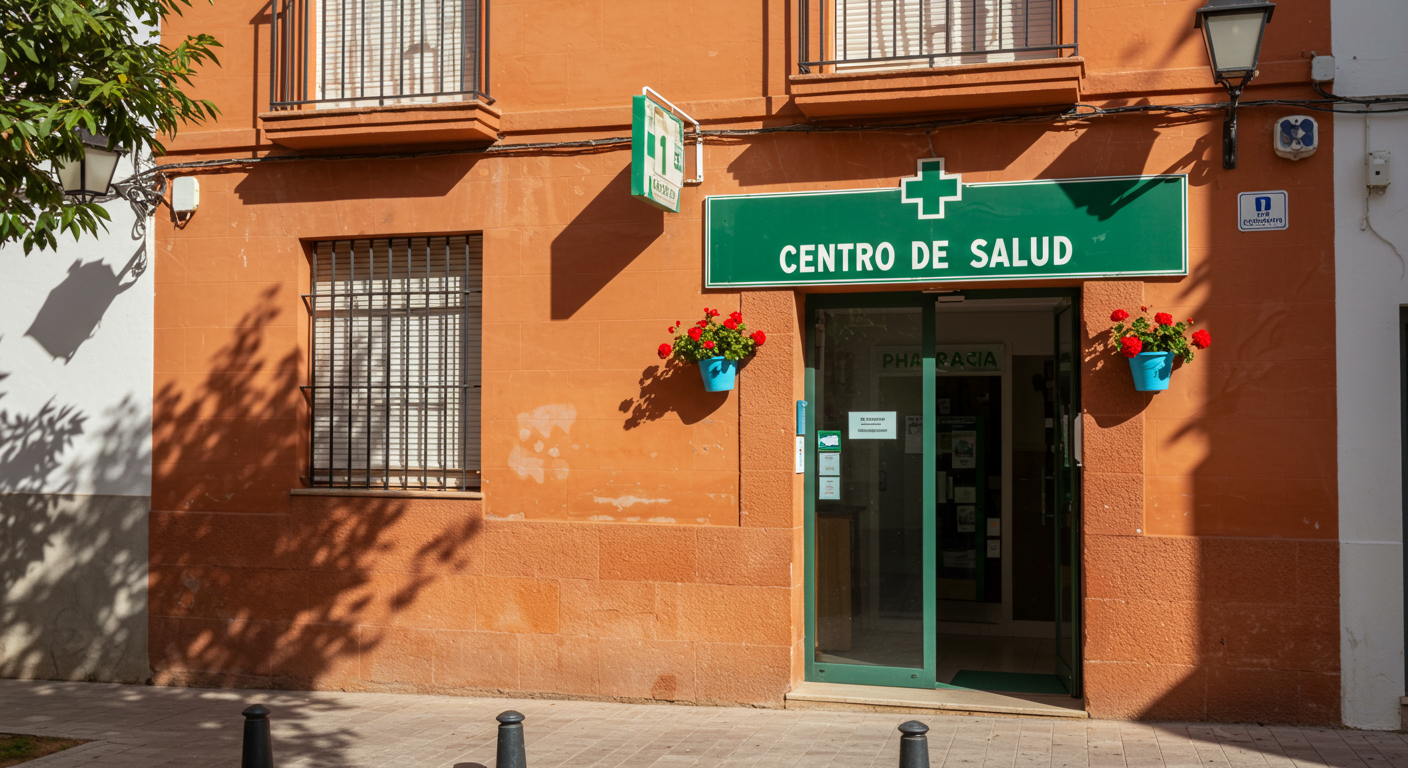
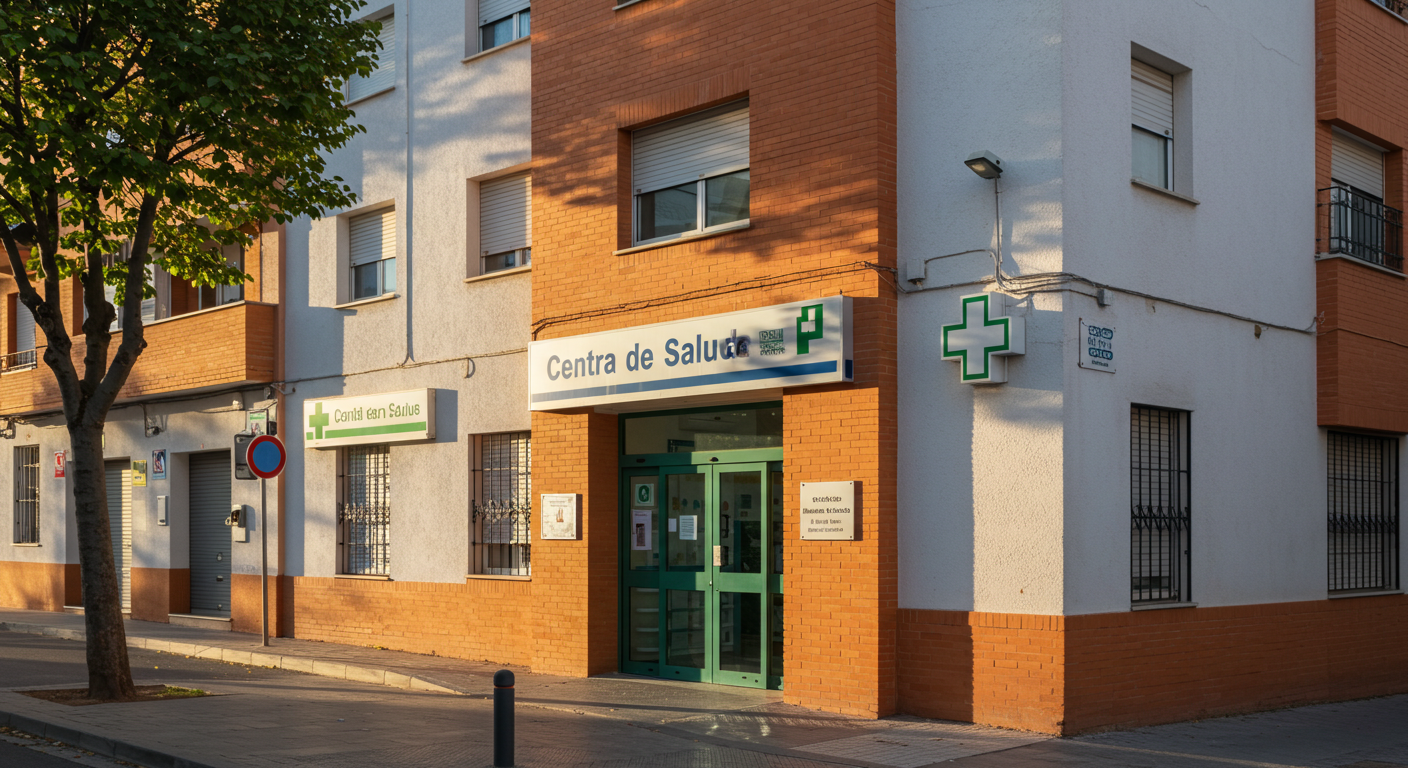
The short answer to how to register for public healthcare in Spain as a foreigner: you go to your local centro de salud (primary care centre), bring proof of residency — your TIE card or padrón certificate — plus your passport and NIE number, and ask to register for a tarjeta sanitaria individual (TSI). If you're employed or self-employed and paying social security contributions, you're entitled to full SNS coverage. If you're not, the route is more complicated, but still possible.
Now for the longer, more honest version.
Who Actually Qualifies for the SNS
Since 2012, Spain has tied public health entitlement to social security contributions rather than simple residency. This caused real problems for a while — people who were legally resident but not working found themselves in a grey zone. A 2018 reform (Royal Decree-Law 7/2018) significantly broadened access again, and as of 2026, the rules are broadly as follows.
You're entitled to full SNS coverage if you:
- Are registered as an employee in Spain and paying into social security
- Are registered as autónomo (self-employed) and paying your monthly cuota
- Are a pensioner receiving a Spanish contributory pension
- Are a family member (spouse, partner, dependent child under 26, or dependent adult) of someone in any of the above categories
If you're on a Non-Lucrative Visa, a Digital Nomad Visa, or you're simply a resident who isn't working in Spain, you don't automatically qualify through the social security route. You'll need private health insurance — which is in fact a visa requirement for the NLV and Digital Nomad Visa anyway — or you can look into the Convenio Especial, a voluntary payment scheme that lets you buy into the SNS.
EU citizens resident in Spain have broadly the same rights as Spanish nationals. Post-Brexit, British citizens who moved here before 31 December 2020 and hold a TIE under the Withdrawal Agreement retain full rights. Brits arriving after that date follow the same rules as any other non-EU national.
If you're still sorting out your residency paperwork — NIE, TIE, the whole bureaucratic queue — it's worth reading Getting Your NIE and TIE in Spain: A Step-by-Step Guide for New Residents before you tackle the healthcare registration, because you'll need those documents in hand first.
Step by Step: Getting Your Tarjeta Sanitaria
This is the card that grants you access to the SNS. Each autonomous community manages its own version — Catalonia's is called the CatSalut card, Andalusia has the tarjeta sanitaria de Andalucía, Madrid has its own, and so on — but the registration process is essentially the same everywhere.
Step 1: Get your empadronamiento sorted first. Your padrón certificate (proof you're registered at your address with the local ayuntamiento) is almost always required. Some centros de salud will accept a TIE showing your Spanish address, but having both is safer.
Step 2: Find your assigned centro de salud. In Spain, your GP (médico de cabecera) is assigned based on where you live, not where you choose. Look up your postcode on your regional health authority's website — in Madrid that's the Comunidad de Madrid health portal, in Catalonia it's CatSalut, in Andalusia it's the SAS. This will tell you which centre covers your address.
Step 3: Go in person with your documents. Bring your passport, NIE/TIE, padrón certificate, and — if you're qualifying through employment or autónomo status — proof of social security registration (your vida laboral from the Seguridad Social website, or your most recent autónomo payment). You register at the administrative desk, not with a doctor.
Step 4: Receive your TSI. In some regions it's issued immediately as a printed card; in others you get a temporary paper certificate while a physical card arrives by post within a few weeks. Keep that paper — it works as valid cover in the meantime.
Step 5: Book your first appointment. Once you have the card, you can book with your assigned médico de cabecera. Do this even if you don't need anything urgently. It sets you up in the system and means the GP has your records when you do need them.
If you're bringing children, they register separately but the process is identical. Bring their passport and any existing health records — Spanish GPs appreciate them, even in another language.
For families navigating this alongside schools and other logistics, Moving to Spain with Family and Pets: Visas, Schools and the Logistics Nobody Mentions covers a lot of the parallel admin in one place.
The Convenio Especial: Buying Into the SNS
If you're resident in Spain but not contributing to social security — a common situation for NLV holders, retirees from non-EU countries, or people living on savings — the Convenio Especial is worth knowing about.
It's a voluntary arrangement where you pay a monthly fee to access the full SNS. As of 2026, the fee is around €60/month for people under 65, and around €157/month for those 65 and over (verify current rates with the INSS — the Instituto Nacional de la Seguridad Social — as these are updated periodically). To qualify, you need to have been legally resident in Spain for at least 12 months before applying.
Honestly, for most people under 65, the Convenio Especial is excellent value compared to private insurance, especially if you have any ongoing health conditions that private insurers would either exclude or charge heavily for. The catch is that 12-month wait.
Public vs Private Healthcare: The Honest Comparison
The SNS is free at the point of use for those entitled to it. Prescriptions are subsidised — typically 40–60% of the cost for working-age adults, with pensioners paying very little. Emergency care is free for everyone, regardless of status.
What it isn't: fast. Waiting times for specialist appointments (cardiology, dermatology, orthopaedics) can stretch to several months in some regions. Madrid and the Basque Country tend to have shorter waits than, say, parts of Andalusia or Valencia. Rural areas are their own story — your assigned centro de salud might be in the nearest town, not walking distance.
Private healthcare in Spain is cheap by Northern European or American standards. A basic private health insurance policy — covering GP visits, specialist appointments, basic diagnostics, and hospitalisation — runs from roughly €50–€120/month per adult as of 2026, depending on age, region, and provider. The main players are Sanitas (partly owned by Bupa), Adeslas, Asisa, and DKV. Sanitas tends to be the most international-friendly; their customer service in English is better than most.
What private cover buys you is speed and choice. You can usually see a specialist within a few days rather than a few months, and you can pick your doctor. Private clinics in Spain are generally well-equipped and the standard of care is high. What they're not great at is anything catastrophic — major surgery, cancer treatment, complex ICU stays — where the SNS's resources often exceed what private hospitals can offer.
Many long-term residents do both: use their SNS card for emergencies and serious illness, and keep a low-cost private policy for the convenience of quick specialist access. It's a reasonable approach.
Regional Differences Worth Knowing
Spain's health system is decentralised. Each of the 17 autonomous communities runs its own version of the SNS, which means there are real differences in quality, waiting times, and even what's covered.
The Basque Country and Navarra consistently rank highest for healthcare quality in Spain. Catalonia and Madrid are strong, particularly in major cities. Andalusia and the Canary Islands have historically had longer waits, though investment has improved things. If you're choosing where to live partly on healthcare grounds — and plenty of older expats do — it's worth factoring in.
Language is also a regional variable. In Catalonia, the Basque Country, and Galicia, administrative staff and some GPs may default to the regional language. In tourist-heavy areas (Costa del Sol, the Balearics, coastal Valencia), you're more likely to find English-speaking staff in both public and private centres, simply because they deal with foreign patients constantly.
What to Do Before Your TIE Arrives
There's an awkward gap that catches a lot of new arrivals: you've moved to Spain, you're waiting for your TIE appointment (which can take weeks or months — see NIE Appointment Wait Times in Spain 2026: How Long and How to Speed It Up), and you don't yet have the documents to register for the SNS.
In the meantime, EU citizens can use their European Health Insurance Card (EHIC) for emergency and medically necessary treatment — but it doesn't cover routine GP visits or the kind of ongoing care you'd want as a resident. Non-EU citizens without a TIE should have private insurance in place from day one, ideally purchased before leaving their home country.
If you're an autónomo figuring out your financial setup at the same time as your healthcare registration, Opening a Spanish Bank Account and Registering as Autónomo: A Complete Guide covers the social security registration side of things, which directly affects your SNS entitlement.
A Few Things Nobody Tells You
The centro de salud system operates mostly on appointments, but each morning there's usually a small window for consulta espontánea — same-day urgent appointments. Turn up early. The queue forms before the doors open.
Prescriptions from your home country are not valid in Spain. If you take regular medication, bring enough supply to last until you've had your first appointment with your Spanish GP, and bring the original packaging with the generic (INN) drug name visible — not just the brand name, which may differ.
Dental and optical care are almost entirely excluded from the SNS for adults. Basic dental extractions are covered in emergencies, but routine check-ups, fillings, and glasses are private. Dental care in Spain is reasonably priced privately — a standard check-up and clean runs €30–60 at a decent private dentist — but budget for it separately.
Finally: the SNS system is administered regionally, which means if you move from one autonomous community to another, you need to re-register. Your old TSI won't work. The process is the same, but it's one more thing on the moving admin list.
Get the healthcare sorted early. It's one of those things that feels like it can wait, right up until it can't.
Frequently asked questions
- Can I use the Spanish public health system (SNS) as a foreigner without a job?
- Not automatically. Full SNS entitlement is linked to social security contributions in Spain. If you're not employed or registered as autónomo, you'll need either private health insurance or — after 12 months of legal residency — you can apply for the Convenio Especial, which lets you pay into the SNS voluntarily for around €60/month (under 65, as of 2026).
- What documents do I need to register for a tarjeta sanitaria in Spain?
- You'll need your passport, your NIE or TIE, a padrón certificate (proof of address registration with your local ayuntamiento), and — if qualifying through work — proof of social security registration such as a vida laboral printout or recent autónomo payment receipt. Take originals and photocopies to your local centro de salud.
- How long does it take to get a tarjeta sanitaria after applying?
- In many regions the card is printed on the spot or within a few days. In others you receive a temporary paper certificate immediately and a physical card arrives by post within two to four weeks. The paper certificate is valid cover in the meantime, so keep it safe.
- Is private health insurance worth it in Spain if I already have SNS access?
- For many residents, yes — at least a basic policy. SNS waiting times for specialist appointments can run to several months in some regions. A mid-range private policy (€50–€120/month depending on age and provider) gets you specialist access within days. Many long-term expats use both: SNS for emergencies and serious illness, private for convenience and speed.
- Do I need to re-register for healthcare if I move to a different region of Spain?
- Yes. The SNS is administered by each autonomous community separately. If you move from, say, Andalusia to Catalonia, your old tarjeta sanitaria won't work in the new region. You'll need to re-register at your new local centro de salud with your updated padrón certificate and TIE.
- Are dental and eye care covered by Spain's public health system?
- Largely no, for adults. Emergency dental extractions are covered, but routine check-ups, fillings, crowns, and optical care are almost entirely private in Spain. Budget separately: a private dental check-up and clean typically costs €30–60, and a basic private dental insurance add-on can be bought through most of the main insurers.
- What's the best private health insurer for English-speaking expats in Spain?
- Sanitas (partly owned by Bupa) is generally considered the most international-friendly, with better English-language customer service than most Spanish providers. Adeslas, Asisa, and DKV are also widely used and competitively priced. Compare policies carefully — exclusions for pre-existing conditions vary significantly between providers.