Pamplona Beyond San Fermín: Old Town, Pintxos & Navarra
What to do in Pamplona besides San Fermín? The old town, pintxos bars, day trips into Navarra and why this city is worth visiting any month of the year.
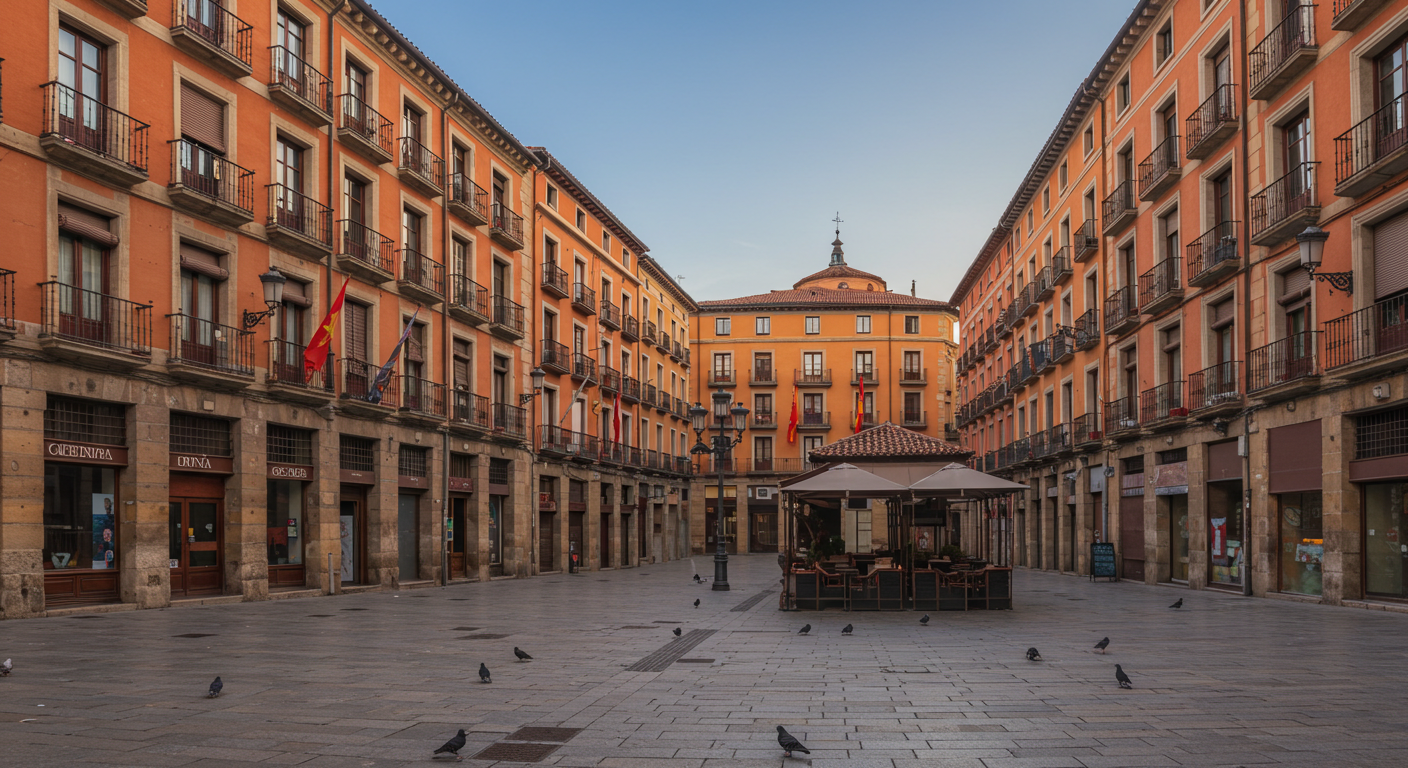
Most people know one thing about Pamplona: eight days in July when the streets fill with white and red, and bulls chase terrified tourists down Calle Estafeta. Fair enough. The encierro is extraordinary. But the city that hosts it — the actual, permanent Pamplona — is a different, quieter proposition, and it's one that most visitors never really see.
So: what to do in Pamplona besides San Fermín? Quite a lot, as it turns out. The old town (the casco viejo, or casco antiguo) is compact and walkable, the pintxos scene is genuinely excellent and often overlooked in favour of its more famous Basque neighbour San Sebastián, the surrounding region of Navarra is one of Spain's most underrated, and the city itself has a daily rhythm — markets, evening paseos, weekend hikes in the Pyrenean foothills — that rewards anyone willing to slow down for a few days.
The Casco Viejo: Pamplona's Old Town at Walking Pace
The casco viejo sits on a slight plateau above the river Arga, ringed by Renaissance-era city walls that are in remarkably good condition. On a weekday morning in, say, October, you can walk the full circuit of those walls — about four kilometres — with almost nobody else for company. The views north towards the Pyrenees on a clear day are genuinely arresting. The walls themselves were declared a UNESCO World Heritage Site in 2015 as part of the broader fortifications of Vauban, the French military engineer whose fingerprints are all over them.
Inside those walls, the street grid is medieval in logic: narrow, shaded, slightly disorienting in the best way. The main square, Plaza del Castillo, is the social centre of the city at every hour. The iron-and-glass Café Iruña on its north side has been there since 1888 and was Hemingway's regular haunt when he came to cover San Fermín in the 1920s. The café leans into that association fairly hard — there's a bronze Hemingway at the bar — but the coffee is decent and the terrace is genuinely pleasant. Skip the tourist menu inside; order a café con leche and sit outside.
A few minutes' walk north brings you to the Cathedral of Santa María la Real, a Gothic structure that took most of the 14th and 15th centuries to build and has a neoclassical façade added in the 18th that doesn't quite match the rest but is striking all the same. The cloister is the real reason to pay the entrance fee (around €5 as of 2026, though worth checking ahead): it's considered one of the finest Gothic cloisters in Europe, and on a quiet afternoon with low autumn light coming through the tracery, it's the kind of place that stops you mid-step.
The Museo de Navarra, housed in a former 16th-century hospital on Calle Santo Domingo, is compact enough to do properly in two hours. Roman mosaics from the nearby site of Liédena, medieval capitals from the old cathedral, and a Goya portrait of the Marqués de San Adrián that catches you off guard. Worth €2 of anyone's money.
Pintxos in Pamplona: The Honest Assessment
Pamplona sits in the cultural overlap between Navarra and the Basque Country, which means it has absorbed the pintxos tradition fully. The bars in the casco viejo lay out trays of pintxos on the counter from around 1pm and again from 8pm, and the quality is consistently high without reaching the theatrical heights of San Sebastián's Parte Vieja.
That's not a criticism. It's actually part of the appeal. Prices are noticeably lower — a pintxo and a glass of txakoli or local red will typically run you €2–3.50 per round rather than the €3.50–5 you'd pay in Donosti. And the atmosphere is more local, less performative.
The streets to focus on are Calle Estafeta (yes, the bull-run street — entirely different when it's not July), Calle San Nicolás, and the area around Plaza del Castillo. Bar Gaucho on Calle Espoz y Mina is frequently cited by locals as having the best creative pintxos in the city; their foie preparations and the anchovy-and-pepper combinations are particularly good. Casa Otano on San Nicolás is more traditional and reliable. Bar Fitero, also on San Nicolás, is loud, packed at weekends and absolutely worth the squeeze.
One important note: during San Fermín week (6–14 July), the pintxos bars are heaving, prices creep up, and the experience is nothing like the rest of the year. If you're coming for the food, come in autumn or spring.
Navarra's wine is an underappreciated bonus here. The region produces serious reds, particularly from the Garnacha grape, and the vino de la casa in most casco viejo bars will be a decent Navarra red rather than something anonymous. Bodegas Nekeas and Ochoa are names worth remembering if you want to take bottles home.
The City Beyond the Old Town
The Ciudadela — a star-shaped 16th-century fortress a short walk west of the casco viejo — has been converted into a public park and exhibition space. On weekend mornings it fills with joggers, families, and people walking dogs. The moat and earthworks are intact, the scale is impressive, and it costs nothing to wander through. There are occasional outdoor concerts and art installations in the summer months.
The Parque de la Taconera, adjacent to the old walls on the southwest corner, is smaller and more intimate — formal gardens, a pond, and a small animal enclosure that contains, somewhat inexplicably, a group of fallow deer and some peacocks. It's the kind of slightly eccentric local park that you'd never seek out from a guidebook but end up spending an hour in anyway.
For a city of around 200,000 people, Pamplona has a lively university atmosphere (the Universidad de Navarra is here, as is the UPNA) that keeps the bar and café scene active well outside tourist season. The Txoko neighbourhood, southeast of the casco viejo, has a concentration of younger bars and some good contemporary restaurants if you want a break from pintxos.
Day Trips: Navarra Is the Main Event
This is the part that most visitors miss entirely, and it's arguably more rewarding than anything in the city itself.
The Camino de Santiago passes through Pamplona — the Camino Francés enters the city through the Portal de Francia — and even if you're not walking the full route, the stretch from Pamplona west to Logroño, or east up and over the Pyrenees via Roncesvalles, is extraordinary on foot or by bike. Roncesvalles (Orreaga in Basque) is 48km north of Pamplona by road; the monastery there, where pilgrims have sheltered since the 12th century, is quietly moving even for non-religious visitors.
The Bardenas Reales, about 90km southeast of Pamplona, is a semi-desert landscape of eroded clay and sandstone that looks like it was imported from New Mexico. It's a UNESCO Biosphere Reserve and largely unknown outside Spain. You need a car to get there properly — the nearest town with any services is Tudela, which is reachable by train from Pamplona in under an hour. The Bardenas is best visited in spring or autumn; summer is genuinely harsh.
Tudela itself, Navarra's second city, is worth a stop: a medieval old town, a cathedral built on the site of a former mosque, and a local vegetable cuisine (white asparagus, cardoons, menestra de verduras) that chefs across Spain take seriously. The Tuesday and Saturday market is excellent.
Olite, 40km south of Pamplona and reachable by train, has a fairy-tale medieval castle — the Palacio Real de Olite — that was the seat of the Kings of Navarra in the 15th century. It's absurdly photogenic and the surrounding village is pleasant. The local Garnacha wines from the Denominación de Origen Navarra are made by cooperatives nearby; the Bodega Ochoa in Olite does visits and tastings.
Practical Matters for a Slow Visit
Pamplona is not a cheap city by Spanish standards — it sits roughly in line with Bilbao or Zaragoza, noticeably above Valencia or Murcia. A decent mid-range dinner for two with wine will be €50–70. A pintxos crawl covering four or five bars, with drinks, can be done for €20–25 per person if you're pacing yourself.
Getting there: Pamplona airport (PNA) has connections to Madrid and Barcelona, but the train is often easier. From Madrid, the high-speed AVE takes around 1h40m to Zaragoza, from where you change; total journey to Pamplona is around 3 hours. From San Sebastián, a bus is often faster than the train — the Alsa service takes about an hour and runs frequently.
Accommodation outside San Fermín week is straightforward and reasonably priced. Several small hotels in the casco viejo are genuinely good; the Palacio Guendulain on Calle Zapatería is the most characterful option if budget allows. For something more modest, the Pension Sarasate near Plaza del Castillo is clean, central and honest about what it is.
If you're considering a longer stay in northern Spain — whether for slow travel or something more permanent — the practical side of Spanish bureaucracy will catch up with you eventually. Getting an NIE sorted, registering with your local ayuntamiento, and understanding your healthcare options are all things worth thinking through before you arrive. The NIE appointment wait times in Spain vary significantly by province, and Navarra is generally more manageable than Madrid or Barcelona. Similarly, if you're working remotely while travelling, the Spanish Digital Nomad Visa has specific income requirements that are worth checking carefully before assuming you qualify.
For anyone who ends up wanting to put down roots — even temporarily — getting empadronado without a rental contract is a genuine hurdle in Spain, and one worth knowing about before it becomes urgent. And if you're thinking about freelancing from a base in northern Spain, understanding whether you need a gestor to register as autónomo can save you a significant headache.
October is probably the best month to visit Pamplona. The summer heat has gone, the tourists have evaporated entirely, the Navarra wine harvest is underway, and the city goes back to being itself — a solid, proud, slightly serious Navarran city that has been here a lot longer than the running of the bulls.
Frequently asked questions
- Is Pamplona worth visiting outside of San Fermín?
- Yes, genuinely. The Gothic old town, the intact Renaissance walls, and one of the best pintxos scenes in northern Spain make Pamplona worth a two or three-day visit at any time of year. October and April are particularly good: pleasant weather, no crowds, and local life in full swing.
- How many days do you need in Pamplona?
- Two full days covers the casco viejo, the Cathedral cloister, the Ciudadela, and a proper pintxos crawl. Add a third day if you want to do a day trip — Olite by train or the Bardenas Reales by car are both excellent. A week would let you slow down into the city and explore more of Navarra.
- Are pintxos in Pamplona as good as in San Sebastián?
- They're excellent, though different in character. Pamplona's pintxos scene is less theatrical and more local-feeling than San Sebastián's Parte Vieja, and prices are noticeably lower. Expect to pay €2–3.50 per pintxo rather than €3.50–5. The quality at the best bars — Bar Gaucho, Casa Otano — is very high.
- What is the best day trip from Pamplona?
- For scenery, the drive or walk to Roncesvalles through the Pyrenean foothills is hard to beat. For something more unusual, the Bardenas Reales semi-desert (about 90 minutes by car) is extraordinary and almost unknown outside Spain. Olite, reachable by train in 30–40 minutes, is the easiest and most satisfying short trip.
- When is the best time to visit Pamplona?
- October is excellent: mild weather, harvest season in the Navarra wine country, no tourist crowds, and the city at its most authentic. April and May are also good. July means San Fermín (6–14 July), which is a specific, intense experience — worth doing once, but plan well ahead as accommodation books up a year in advance.
- How do you get from San Sebastián to Pamplona?
- The Alsa bus is the most practical option — it runs roughly every hour, takes around 60–75 minutes depending on the route, and costs around €8–12 as of 2026. The train connection exists but involves a change and takes longer. Driving takes about an hour on the A-15 motorway.
- Is Pamplona in the Basque Country?
- No — Pamplona is the capital of the Foral Community of Navarra, which is a separate autonomous region. Culturally and linguistically it overlaps with the Basque Country (Basque is spoken in northern Navarra, and the pintxos culture is shared), but politically and administratively it's distinct. Navarra has its own historic legal statutes, the *fueros*, which give it considerable fiscal autonomy.