Hiking the Camino del Rey: What to Expect on the Málaga Gorge Walk
Hiking the Caminito del Rey? Here's what to actually expect: booking, difficulty, what to wear, and tips for the Málaga gorge walk in 2026.
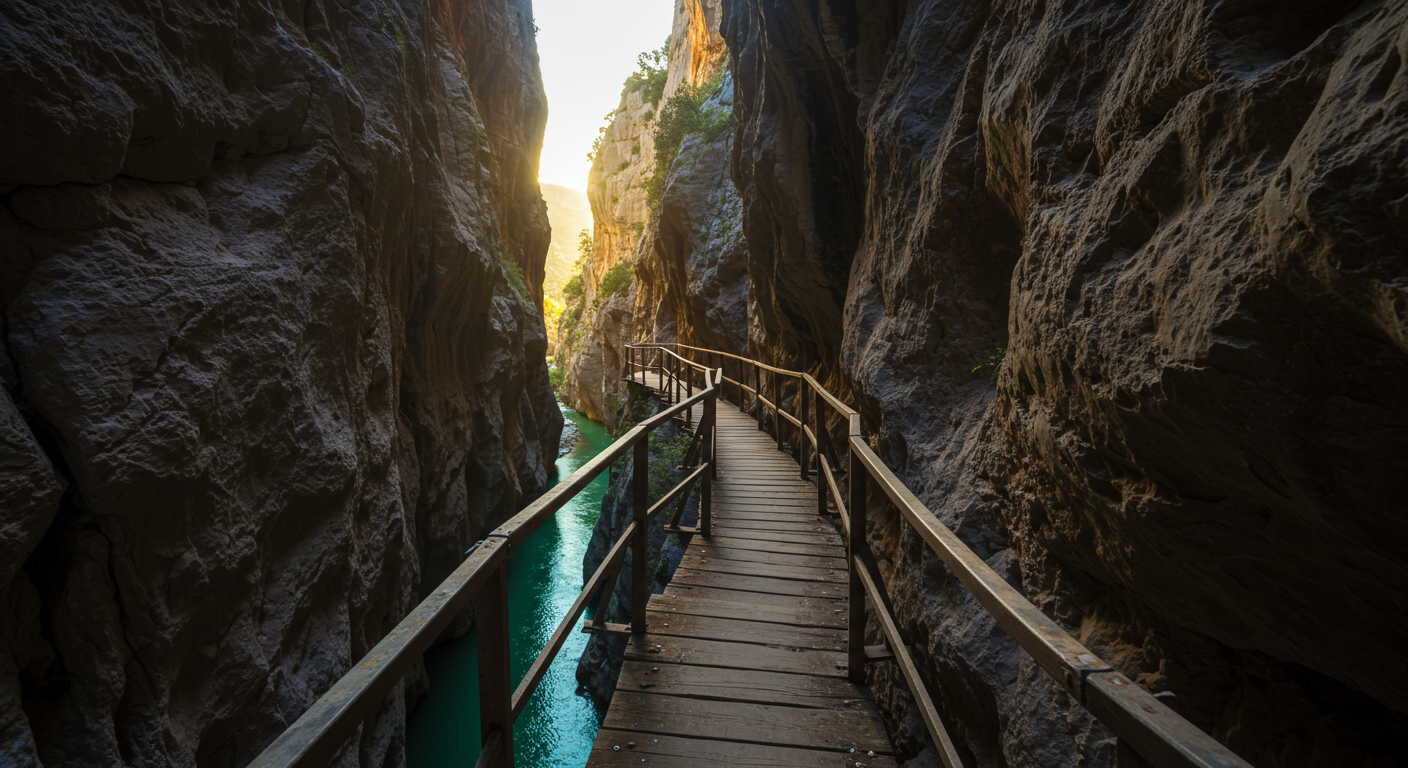
Three kilometres of narrow wooden boardwalk bolted to a near-vertical limestone cliff, with the Guadalhorce river glinting 100 metres below. That is the Caminito del Rey in a single image. If you're researching hiking the Caminito del Rey and wondering what to expect — in terms of difficulty, booking, timing, and what the day actually feels like — this is the honest account you need.
The short answer: it is not technically difficult. You do not need to be a climber or an experienced hiker. But you do need a head for heights, a pre-booked ticket (non-negotiable), and a realistic idea of how the logistics work. The full route is around 7.7 km and takes most people between two and four hours, depending on pace and how long they spend gawping at the gorge.
What the Caminito del Rey Actually Is
The path runs through the Desfiladero de los Gaitanes, a dramatic gorge carved by the Guadalhorce river in the hills north of Málaga, near the town of Ardales. It was originally built between 1901 and 1905 to allow workers to move between the Chorro and Gaitanejo hydroelectric dams — carrying materials, maintaining the infrastructure. For most of the 20th century it slowly crumbled, sections collapsing entirely, handrails rusting away. It became notorious as one of the most dangerous walks in the world, attracting free-climbers and the reckless. Several people died.
The regional government of Andalusia spent around €9 million restoring it, and it reopened to the public in 2015. What you walk today is an almost entirely rebuilt path, with new boardwalks, safety netting, and a solid railing throughout the exposed sections. The original concrete path — narrow, crumbling, genuinely terrifying — still exists beneath and alongside parts of the new route, visible as a reminder of what it was.
Booking Tickets: Do This Before Anything Else
You cannot turn up and walk in. Tickets must be booked in advance at the official site (caminitodelrey.info), and in high season — roughly March through October — slots sell out weeks, sometimes months, ahead. As of 2026, the standard entry fee is €10 per person for the self-guided route, plus a small booking fee. Guided group tours cost more (typically €18–25) and include transport from Málaga or Ardales.
The daily capacity is capped. On a summer weekend, you are competing with thousands of other visitors for a limited number of morning and afternoon slots. Book as early as you can. Seriously — check availability the moment you know your travel dates.
One practical note: you'll need to download or print your ticket. There is mobile signal inside the gorge in some sections and none in others. Screenshots are your friend.
The Route: North to South, Every Time
The route runs one direction only, north to south, starting at the northern access point near El Chorro and finishing at the southern access near Ardales (or vice versa — check the current configuration when you book, as it has changed). You walk through, not back. This means you need to sort transport between the two ends.
The most common approach: take the train from Málaga to El Chorro (the Cercanías C2 line, roughly €4–5 each way, about 50 minutes), start walking, and arrange a shuttle bus or taxi back from the southern exit. The official site sells shuttle bus tickets for around €1.55 — a bargain, and worth booking at the same time as your entry ticket. Taxis from the southern end back to El Chorro or into Ardales run around €15–20 for the car.
Alternatively, some people drive to the southern car park, take the shuttle to the northern entrance, walk through, and collect their car. That works too, and avoids train timetable stress.
What the Walk Itself Is Like
The route begins with a forested approach trail — around 3 km of relatively easy walking through pine and scrub before you reach the gorge itself. This section is pleasant but unremarkable. Keep your energy for what comes next.
Then the gorge begins, and it is immediately something else. The walls close in, the river drops away below, and you're suddenly on a boardwalk that feels genuinely improbable — a thin strip of wood and steel attached to a sheer rock face. The exposure is real. If you are at all uncertain about heights, test your reaction early; there is no easy exit once you're into the narrowest sections.
The famous suspended bridge — a footbridge strung across the gorge — is the visual centrepiece. Most people stop here for photos. It sways slightly. Some people love this; others grip the handrail and walk very quickly.
The second half opens up more, with wider ledges, a reservoir view, and a gentler finish through a tunnel (bring a small torch or use your phone — it's about 200 metres of complete darkness). After the tunnel, it's a short walk to the southern exit.
Overall difficulty: low to moderate. The path is well-maintained, there are no scrambling sections, and the elevation change is minimal. The challenge is purely psychological — the exposure and the height. Fit walkers of almost any age manage it without trouble. I've seen people in their seventies doing it with walking poles and a great deal of composure.
When to Go
Spring is the best time, full stop. March, April, and May give you mild temperatures, the river running properly, wildflowers on the approach path, and reasonable crowd levels on weekday slots. The gorge faces are striking in the morning light.
Summer is viable but uncomfortable. The gorge gets hot — genuinely hot — because the rock walls trap heat and there's little shade on the boardwalk sections. July and August midday temperatures inside the gorge can hit 38–40°C. If you go in summer, book the earliest slot available and be done by noon.
Autumn is underrated. October in particular is excellent — cooler, quieter, and the late light on the limestone is extraordinary.
Winter slots exist and are much easier to book. The path is open year-round except in bad weather (it closes automatically in high winds and heavy rain — check the official site on the morning of your visit). January and February can be cold and overcast, but you'll essentially have the gorge to yourself on a weekday.
What to Wear and Bring
This is not a technical hike, but people consistently underestimate the sun exposure on the approach trail. Wear sunscreen. A hat. Proper walking shoes or trainers with grip — not sandals, not flip-flops, and definitely not the pristine white trainers I've watched people ruin on the dusty approach. The boardwalk sections are fine in almost any footwear, but the gravel trails at either end are not.
Bring water. At least a litre per person in spring, 1.5 litres in summer. There are no water points on the route. There is a small café/bar at the southern exit (open in season, sporadically out of season), but don't rely on it.
A small daypack is useful. Helmets are provided and compulsory — you collect yours at the northern entrance and return it at the southern end.
The Surrounding Area: Worth a Day or Two
El Chorro itself is a small village with a handful of restaurants and a climbing community that has been here for decades — the gorge is a major sport climbing destination, and the crags above the path are dotted with routes. If you're staying overnight (which I'd recommend over a rushed day trip from Málaga), the Apartamentos La Garganta offer basic but decent accommodation right at the northern entrance, and there are rural houses for rent around Ardales.
The Guadalhorce reservoir system — three interconnected reservoirs called the Guadalteba, Conde del Guadalhorce, and Guadalhorce itself — is stunning in its own right, and popular with local families for swimming in summer. Worth an afternoon.
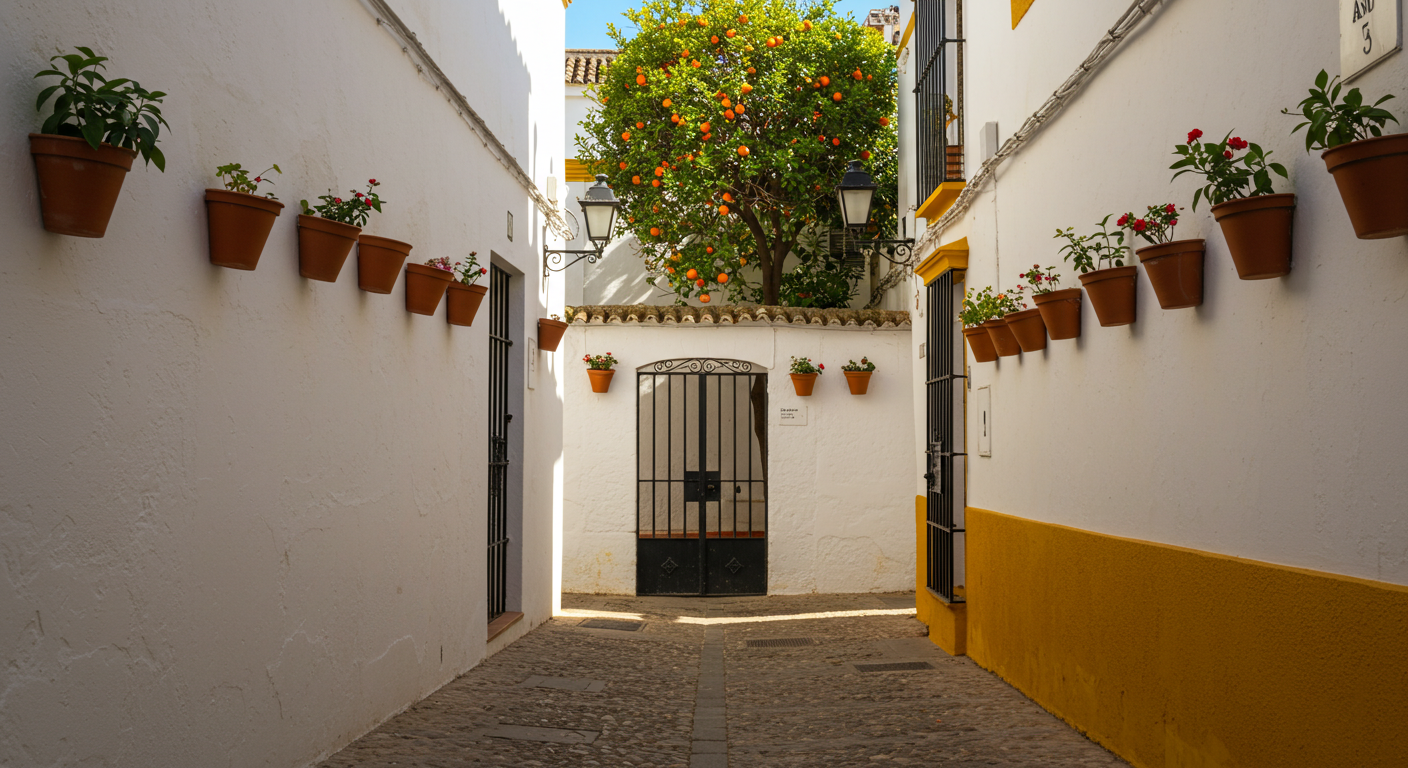
Ardales, the nearest town, is a quiet whitewashed pueblo with a decent local restaurant scene and almost no tourist infrastructure, which is exactly why it's worth spending an hour wandering. The Iglesia de Nuestra Señora de los Remedios has good views from the hill above town.
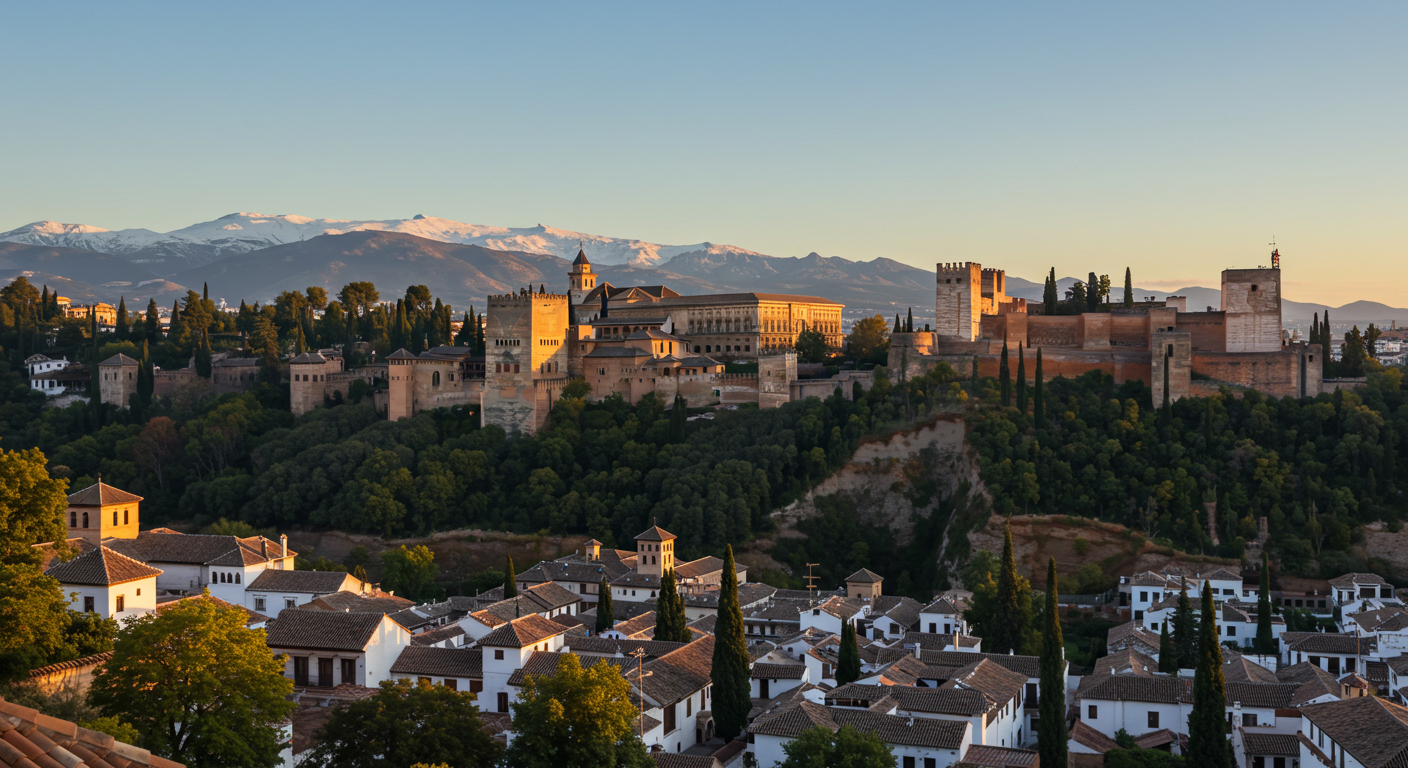
If you're making a longer Andalusia trip around this, a slow travel approach to Granada pairs well with a Caminito day — Granada is about two hours east by car, and the contrast between the gorge's drama and the Alhambra's intricacy makes for a genuinely satisfying few days.
A Note on Crowds and Managing Expectations
The Caminito del Rey is popular. Extremely popular. On a busy Saturday in April, you will share the boardwalk with hundreds of other people, moving in a slow procession, stopping frequently for photos. It can feel less like a wilderness experience and more like a queue with a very good view.
This isn't a secret, and it shouldn't put you off — the gorge is genuinely extraordinary and worth seeing regardless. But if solitude matters to you, book a Tuesday or Wednesday slot in October, arrive at the first entry time, and you'll have long stretches of the boardwalk essentially to yourself.
For those who want something wilder and less managed in Andalusia, the Sierra de las Nieves national park — about 40 minutes west — offers proper mountain hiking with far fewer visitors. But that's a different article.
The Caminito del Rey rewards a bit of planning. Get your ticket early, sort the transport, start before ten in the morning, and you'll walk one of the most dramatic gorge paths in Europe without most of the faff that catches people out.
Frequently asked questions
- How hard is the Caminito del Rey hike?
- It's not technically difficult — there's no climbing, scrambling, or significant elevation gain. The challenge is psychological: the exposed boardwalk sections are narrow and high above the river. People with a moderate head for heights manage it comfortably. Those with a serious fear of heights may struggle in the gorge section.
- Do you need to book Caminito del Rey tickets in advance?
- Yes, always. You cannot buy tickets at the gate. Book at caminitodelrey.info as far ahead as possible — in spring and summer, slots sell out weeks in advance. As of 2026, self-guided entry costs around €10 per person plus a booking fee.
- How long does it take to walk the Caminito del Rey?
- The full route is approximately 7.7 km and takes most people between two and four hours. Allow three hours as a comfortable estimate, plus time at either end for transport logistics and the approach trail.
- What is the best time of year to hike the Caminito del Rey?
- Spring (March to May) is the best combination of weather, light, and manageable crowds. Autumn (October) is also excellent. Summer works but the gorge gets very hot — book the earliest slot and finish by midday. Winter is possible and very quiet, but check for weather closures.
- How do you get from Málaga to the Caminito del Rey?
- The easiest way is the Cercanías C2 train from Málaga Centro-Alameda to El Chorro station — around 50 minutes and about €4–5 each way. From there it's a short walk to the northern entrance. Book the official shuttle bus (around €1.55) to return from the southern exit.
- Is the Caminito del Rey safe?
- Yes, since the 2015 restoration. The boardwalk is solid, there are continuous safety railings on exposed sections, and helmets are provided and compulsory. The path closes automatically in high winds or heavy rain, so check the official site on the morning of your visit.
- Can children do the Caminito del Rey?
- Children aged 8 and over are permitted on the standard route. Under-8s are not allowed for safety reasons. Children between 8 and 12 must be accompanied by an adult and kept close on the exposed sections. Confident older children tend to love it.