Best Beachfront Hotels on the Costa Brava for Summer
The best beachfront hotels on the Costa Brava for summer 2026 — from Cadaqués to Lloret, with honest picks, realistic prices, and what to skip.
Best Beachfront Hotels on the Costa Brava for a Summer Stay
Three hundred euros a night and you're still looking at a car park from your balcony. That's the Costa Brava trap, and it catches thousands of people every July. The best beachfront hotels on the Costa Brava for summer are genuinely on the water — not a five-minute walk from it — and they book out by March. This piece cuts through the marketing and tells you which ones are worth the money, which towns to base yourself in, and what the coast actually looks like in peak season.
The short answer: for true sand-at-your-doorstep stays, Tamariu, Llafranc, and Cadaqués are the three towns that consistently deliver the goods without turning into Benidorm in August. Palamós and Roses have good options too, but they're bigger and noisier. Lloret de Mar has beachfront hotels, yes — but skip them unless you enjoy the smell of sangria buckets at 2am.
What 'Beachfront' Actually Means Here
The Costa Brava runs from Blanes in the south all the way up to the French border near Portbou — nearly 200 kilometres of coastline. Much of it is rocky, cliff-lined, and accessed by steps. That's not a complaint; it's what makes it extraordinary. But it does mean that 'sea view' and 'beachfront' are not the same thing, and hotel websites are creative with both phrases.
A genuine beachfront hotel here means: you exit the building and you are on sand or rock within about thirty metres. No road crossing. No promenade. No car park. Keep that standard in mind.
Cadaqués: The Most Beautiful Base on the Coast
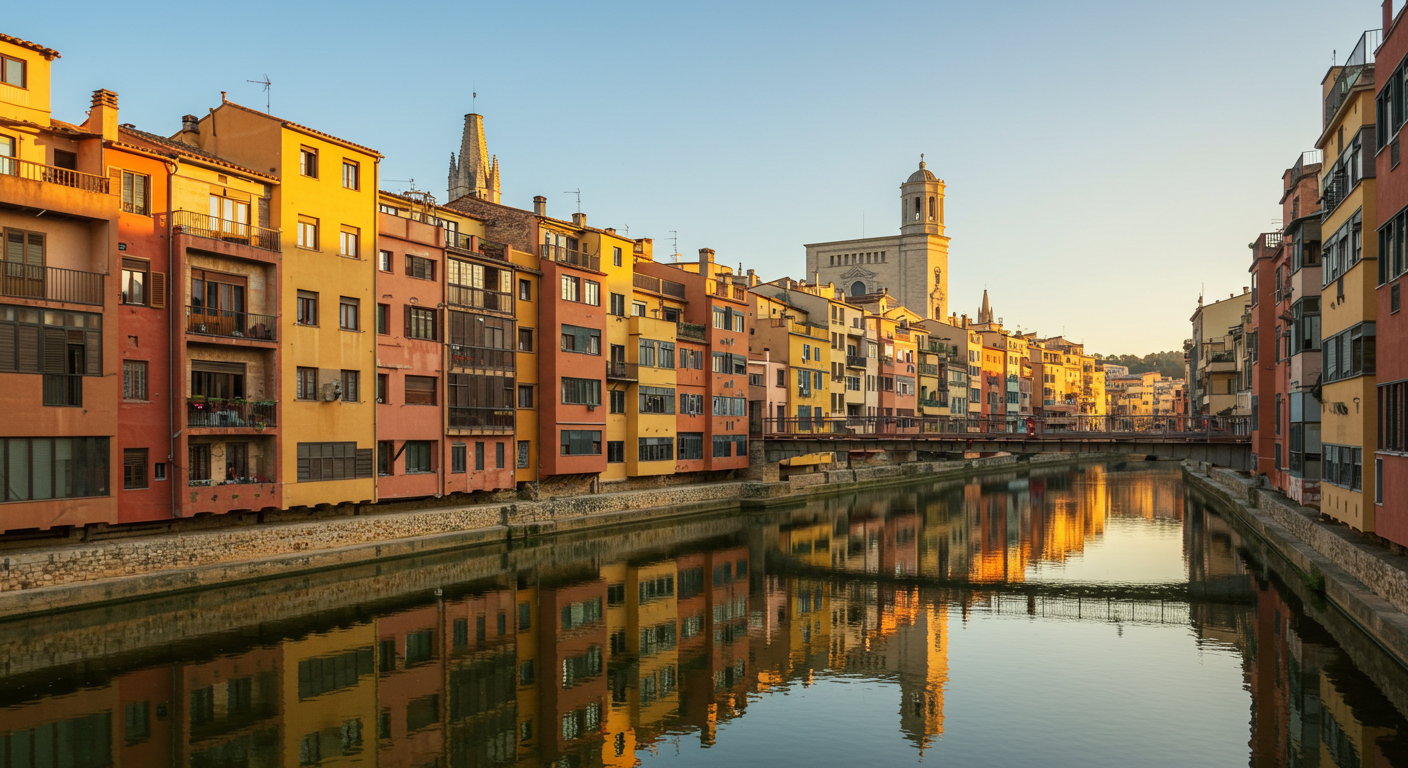
Cadaqués is probably the most photographed town on the Costa Brava — white houses, a small bay, the Dalí connection from nearby Port Lligat — and it's earned the attention. It's also reached by a single winding mountain road that keeps the crowds at least slightly more manageable than elsewhere.
Hotel Playa Sol sits directly on the bay at Platja Gran, which is a small pebbly beach but genuinely right there. Rooms start around €180–220 a night in July (as of 2026), which is reasonable for what you get: a terrace, the sea, and the town's excellent restaurant scene a three-minute walk away. The breakfast is good — local bread, decent coffee, not the sad buffet you'd expect at this price.
Don't bother with the newer hotels on the outskirts of Cadaqués. They have pools but no soul and they're nowhere near the water.
Llafranc and Tamariu: The Quieter Double Act
These two villages sit side by side on the Baix Empordà coast, a short drive from Palafrugell. They're the places that Spanish families from Barcelona have been quietly using for decades, which is usually a reliable signal.
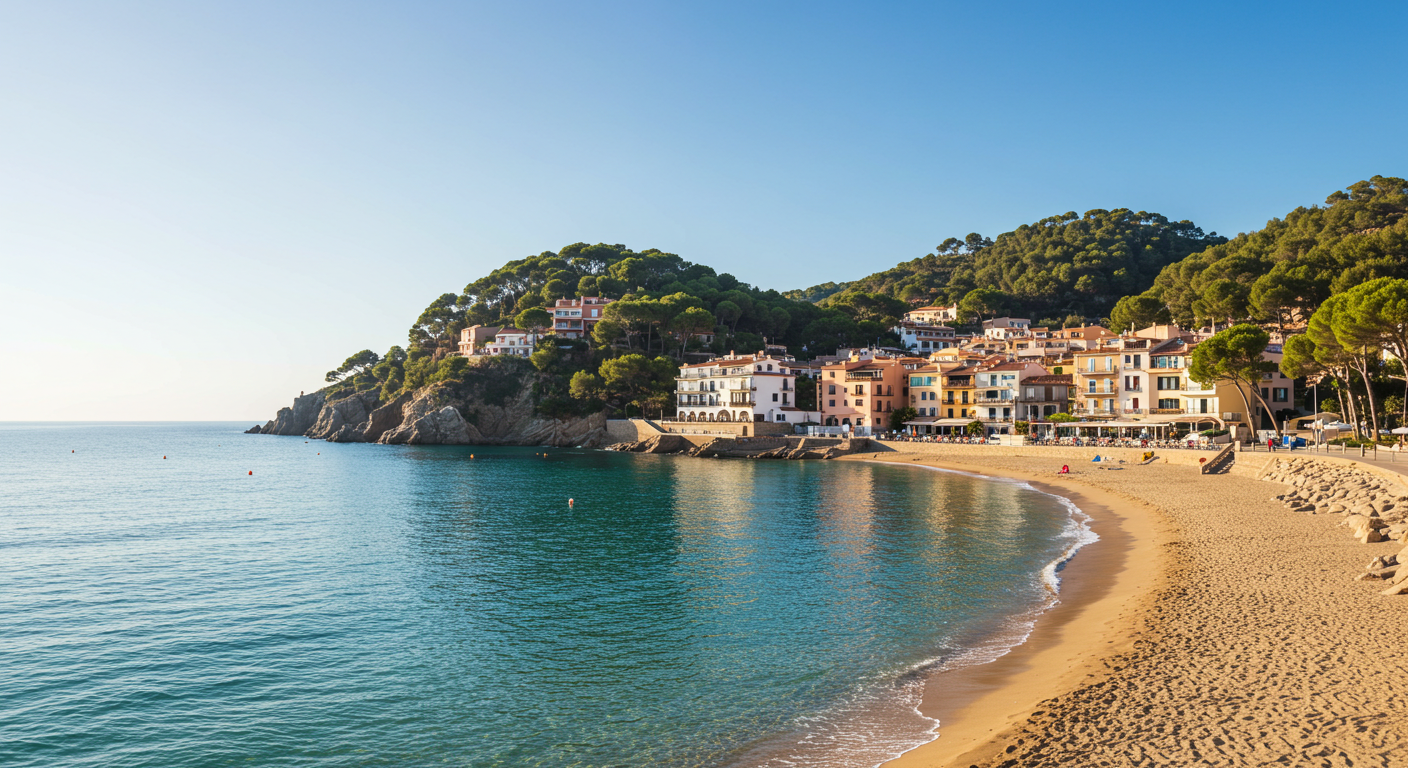
Llafranc has a proper sandy beach — perhaps 400 metres long — backed by a low-key promenade. Hotel Llevant has been here since 1935 and it shows, in the best way. It's not a design hotel; it's a family-run place with twelve rooms, a genuinely serious restaurant (the rice dishes are outstanding), and a position that puts you literally on the seafront. Rooms in August run €220–280 depending on whether you want a sea-facing room. You want the sea-facing room.
Tamariu is even smaller. The beach is a cove rather than a strip, and the village has one main street. Hostal Tamariu is the obvious choice — old-fashioned in the right ways, with a terrace that overhangs the beach. Summer rates are a bit lower than Llafranc, around €150–200 per night. The trade-off is fewer amenities. The sea is the amenity.
Palamós: A Working Town with Proper Prawns
Palamós doesn't get the same glossy coverage as Cadaqués, probably because it has a functioning fishing port and a supermarket on the high street. Both of these are features, not bugs.
The Gamba de Palamós — the local prawn — is one of the best things you can eat in Catalonia. The town's fish market is real, the restaurants around it are aimed at locals, and the main beach, La Fosca, is a fifteen-minute walk from the centre.
Hotel La Fosca sits right at the edge of that beach. It's not glamorous — think clean, functional, with a pool — but the location is genuine and rates hover around €130–170 in July, making it one of the better-value true beachfront options on the coast. If you're travelling with children, this area is excellent: calm water, shallow entry, pine trees for shade.
Roses and the Gulf of Roses: More Space, More Wind
Roses sits at the top of the Gulf of Roses, a wide bay that gives you flat, open water and reliably good conditions for paddleboarding. It's also where El Bulli used to be — now the Bullipedia foundation — if that sort of culinary pilgrimage interests you.
The town itself is larger than the other places on this list, which means more traffic and more noise in summer. That said, Hotel Monterrey has a good beachfront position on the southern end of the main beach, away from the strip. Rooms are in the €160–220 range. The hotel's beach access is direct and the pool is genuinely useful when the mistral kicks up and the sea gets choppy.
For something more upmarket in this area, Vistabella near L'Escala (technically just south of the Gulf of Roses) is worth knowing about — a design-led hotel with a serious spa and an adults-only pool, perched on a clifftop with steps down to a private cove. It's expensive (€350–500 a night in high season) but it delivers on its promises, which is more than can be said for every luxury property on this coast.
The Places to Avoid (and Why)
Lloret de Mar. I'll say it plainly. The beach is actually fine — long, sandy, south-facing — but the hotel strip behind it has been built entirely for package tourism and the nightlife infrastructure is not something you want near your summer holiday unless you are twenty-two and specifically seeking it.
Tossa de Mar is prettier than Lloret and the old walled town is worth a morning. But the beachfront hotels are mostly large, dated, and priced for what they are. You're paying for the castle view from the beach, not for the accommodation itself.
Blanes, at the southern end of the coast, is where the Costa Brava officially begins but it feels more like the Costa Daurada in character. Fine for a budget base, but not what most people are picturing.
When to Go and How to Book
July and August are the obvious months, but August in particular is very full. Spanish domestic tourism peaks in the first two weeks of August, and the coast gets genuinely crowded — not unbearably so in the smaller villages, but noticeably so. The second half of July is often the sweet spot: the sea is warm (typically 23–25°C), the days are long, and the crowds are slightly more manageable.
Book by March for any of the places mentioned above. Seriously. Hotel Llevant and Hostal Tamariu in particular have very few rooms and they go fast. Most properties accept cancellation up to a few weeks before, so booking early costs you nothing if you change plans.
June is underrated. The water is cooler (around 20°C, which some find refreshing), prices are 20–30% lower, and the coastal paths are walkable without feeling like a pilgrimage in extreme heat. September is arguably even better — warm sea, emptier beaches, and the restaurants are still in full swing.
Getting There Without Losing Your Mind
Girona airport is the practical gateway. Ryanair and Vueling run good connections from the UK and across Europe. From Girona you'll need a car for most of the coast — public transport exists but it's infrequent and the timetables in summer don't always match what you need.
If you're coming from Barcelona, the AP-7 motorway gets you to Palamós in about an hour fifteen. Cadaqués is another forty minutes beyond that. The train goes as far as Figueres and Llançà in the north, but from there you need a bus or taxi for most of the coastal towns.
Parking in Cadaqués and Tamariu in August is a genuine headache. Both villages restrict access. Check whether your hotel has parking included — at these prices, it should.
A Note on Longer Stays
A week or two in a Costa Brava hotel is one thing. But some people come to the coast and decide they want to stay longer — rent a place for a season, or even relocate. If that's where your thinking is heading, you'll hit practical questions fast. Things like whether you can rent in Spain without a Spanish payslip, or what the process looks like if you want to stay longer than a tourist visa allows. The Spanish Digital Nomad Visa is one option worth looking at if you work remotely. And if you're starting to think seriously about residency, the bureaucratic side starts with things like getting your NIE — which takes longer than most people expect.
The Costa Brava is one of those places that does that to people. You arrive for a week and start pricing up apartments by Wednesday.
Frequently asked questions
- Which town on the Costa Brava has the best beachfront hotels for families?
- Llafranc and Palamós (specifically La Fosca beach) are the strongest options for families. Both have calm, shallow water, sandy beaches, and hotels that sit directly on the seafront. Llafranc's Hotel Llevant is well-regarded for its restaurant and direct beach access. La Fosca near Palamós is particularly good for young children due to the gentle, sheltered bay.
- How much do beachfront hotels on the Costa Brava cost in summer 2026?
- Expect to pay roughly €150–€220 per night for a solid mid-range beachfront room in July, and €200–€300+ in August at the better-known properties. Boutique places like Hotel Llevant in Llafranc or Hostal Tamariu sit in the €150–€280 range depending on room type. Luxury options like Vistabella near L'Escala can reach €350–€500 in peak season.
- Is Cadaqués worth staying in for a beach holiday, or is it too crowded?
- Cadaqués is worth it, but manage expectations: the beach is small and pebbly, not a wide sandy arc. The town's appeal is its atmosphere, the surrounding coves, and the quality of its restaurants. It gets busy in August but the winding access road naturally limits how crowded it becomes. Stay at Hotel Playa Sol for a genuine beachfront position.
- When is the best time to visit the Costa Brava for a summer beach holiday?
- The second half of July is the sweet spot — the sea is warm (23–25°C), days are long, and it's slightly less crowded than August. June offers cooler water and lower prices. September is excellent for warm seas and emptier beaches. Avoid the first two weeks of August if you want any kind of calm; that's peak Spanish domestic holiday season.
- Do I need a car to reach the best beachfront hotels on the Costa Brava?
- For most of the coast, yes. Girona airport is the closest gateway, and from there a hire car is the practical option. Palamós and Roses are reachable by bus from Girona or Figueres, but services are infrequent. Cadaqués and Tamariu are very difficult without a car. Note that parking in both Cadaqués and Tamariu is restricted in August, so check whether your hotel provides parking.
- Is Lloret de Mar worth booking for a beachfront hotel?
- Only if you specifically want a lively, package-holiday atmosphere. The beach itself is decent — long, sandy, and south-facing — but the hotel strip is built around mass tourism and the nightlife is loud. For a quieter, more characterful stay, any of the smaller villages further north (Llafranc, Tamariu, Cadaqués) will serve you better.
- How far in advance should I book a beachfront hotel on the Costa Brava for summer?
- By March at the latest for July or August, especially at smaller properties with limited rooms. Hotel Llevant in Llafranc has around twelve rooms and fills quickly. Most hotels offer free cancellation up to a few weeks before arrival, so booking early carries little risk. Waiting until May or June for peak dates will leave you with limited options or significantly higher prices.