Spain's Food Markets: How to Use La Boqueria, San Miguel & Valencia Central
La Boqueria, Mercado de San Miguel, and Valencia's Mercado Central compared — how to use Spanish food markets like a local, not a tourist.
Three markets. Three cities. Three completely different experiences — and most visitors get at least one of them badly wrong.
If you want to know how to use Spanish food markets like a local, the honest answer is: go early, buy ingredients rather than snacks, and know which markets are still genuinely for residents versus which have quietly become theme parks with a jamón leg on the wall. The distinction matters more than people realise, and it changes what you should do in each place.
La Boqueria, Barcelona: Still Worth It, But Go Before 9am
La Boqueria — officially the Mercat de Sant Josep de la Boqueria — is on Las Ramblas, which tells you something. By 11am on any day from April to October, you are sharing the space with several hundred people in matching trainers taking photos of fruit pyramids they have no intention of buying. The stalls nearest the entrance have adjusted their pricing accordingly. A small cup of freshly cut fruit near the front door costs somewhere between €4 and €6. The same fruit, bought as a whole piece at a stall deeper inside, costs a fraction of that.
The market opens at 8am (closed Sundays). Get there before 9. Before 9, it belongs to the chefs from nearby restaurants doing their morning rounds, the older Barcelonins who've been coming here for decades, and a handful of early-rising tourists who don't yet know they're doing something right. The light is better for photos anyway.
What to actually buy: the fish stalls in the back third of the market are legitimately excellent and priced fairly for the quality. Clams, razor clams, anchovies packed in salt, live shellfish. The mushroom and wild herb stalls are worth a slow look — varieties you won't find in a supermarket. The cured meat stalls are fine but not meaningfully better than a good charcutería elsewhere in the city.
What to skip: the smoothie bars and juice stalls near the entrance are a total tourist tax. The bocadillos sold at the counters facing Las Ramblas are overpriced and mediocre. If you want a proper breakfast, walk five minutes into the Raval and find a bar doing a menú de desayuno for €2–3.
For people relocating to Barcelona — and if you're sorting out paperwork like your NIE appointment or TIE card, you'll be spending more time in the city than you expected — La Boqueria makes a genuinely good regular market for fish and fresh produce if you're disciplined about where and when you shop inside it. Locals in the Raval and Gothic Quarter do still use it. Just not the front half.
Mercado de San Miguel, Madrid: Lovely, Expensive, Not Really a Market
I'll be blunt: Mercado de San Miguel is not a food market in any functional sense. It is a gourmet food hall designed for people who want to eat standing up while spending roughly what they'd spend sitting down at a decent restaurant. That's not a criticism exactly — it does what it does very well — but if you arrive expecting to buy ingredients for dinner, you'll leave confused and lighter in the wallet.
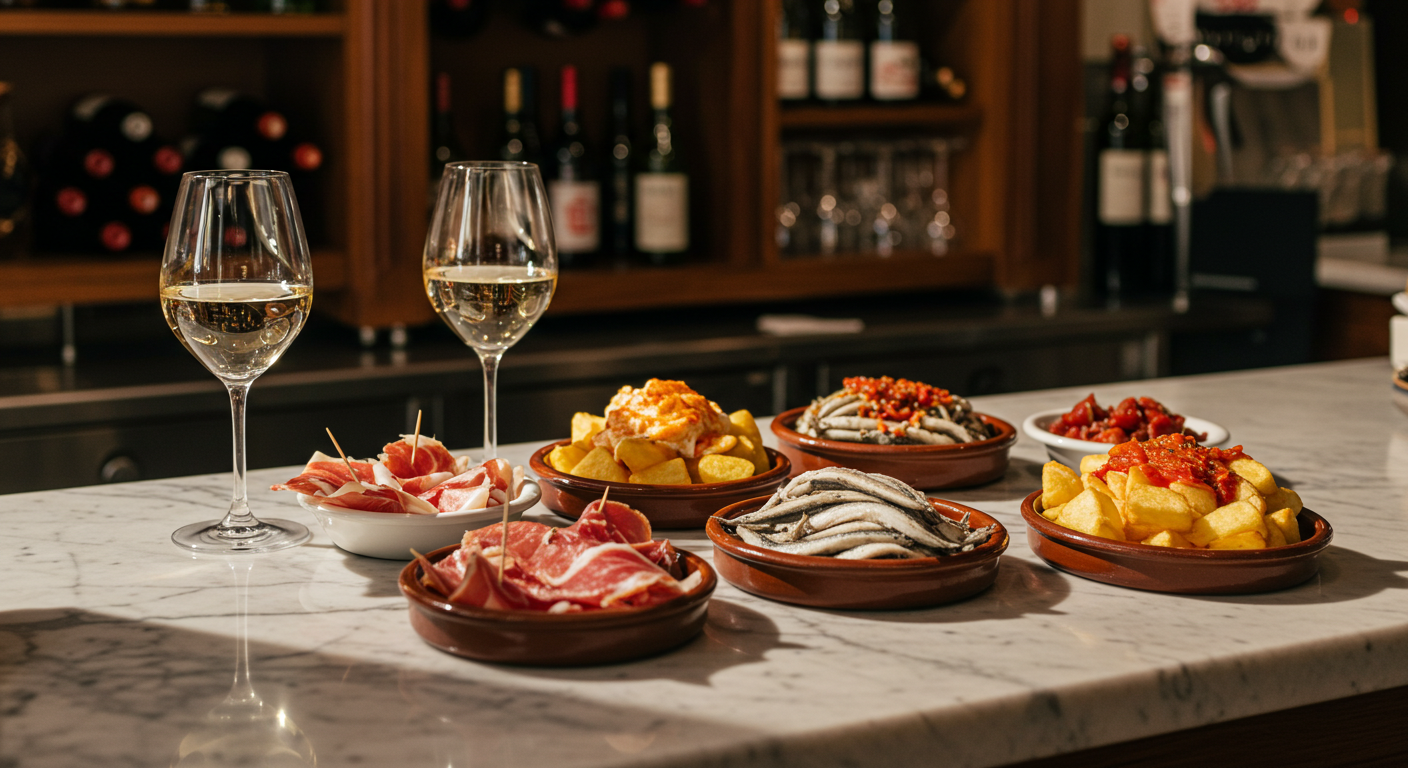
It's a beautiful building, an early 20th-century iron structure just off Plaza Mayor, and the produce on display is genuinely high quality. Oysters, vermouth, ibérico, artisan cheeses, croquetas, tinned conservas at collector prices. A glass of cava is around €4–5. A portion of jamón ibérico de bellota, enough for two to share, might be €12–18 depending on the stall. A small tortilla tapa, €3–4. None of this is a rip-off given what it is — it's a premium tapas experience in a pretty building — but go in with the right expectations.
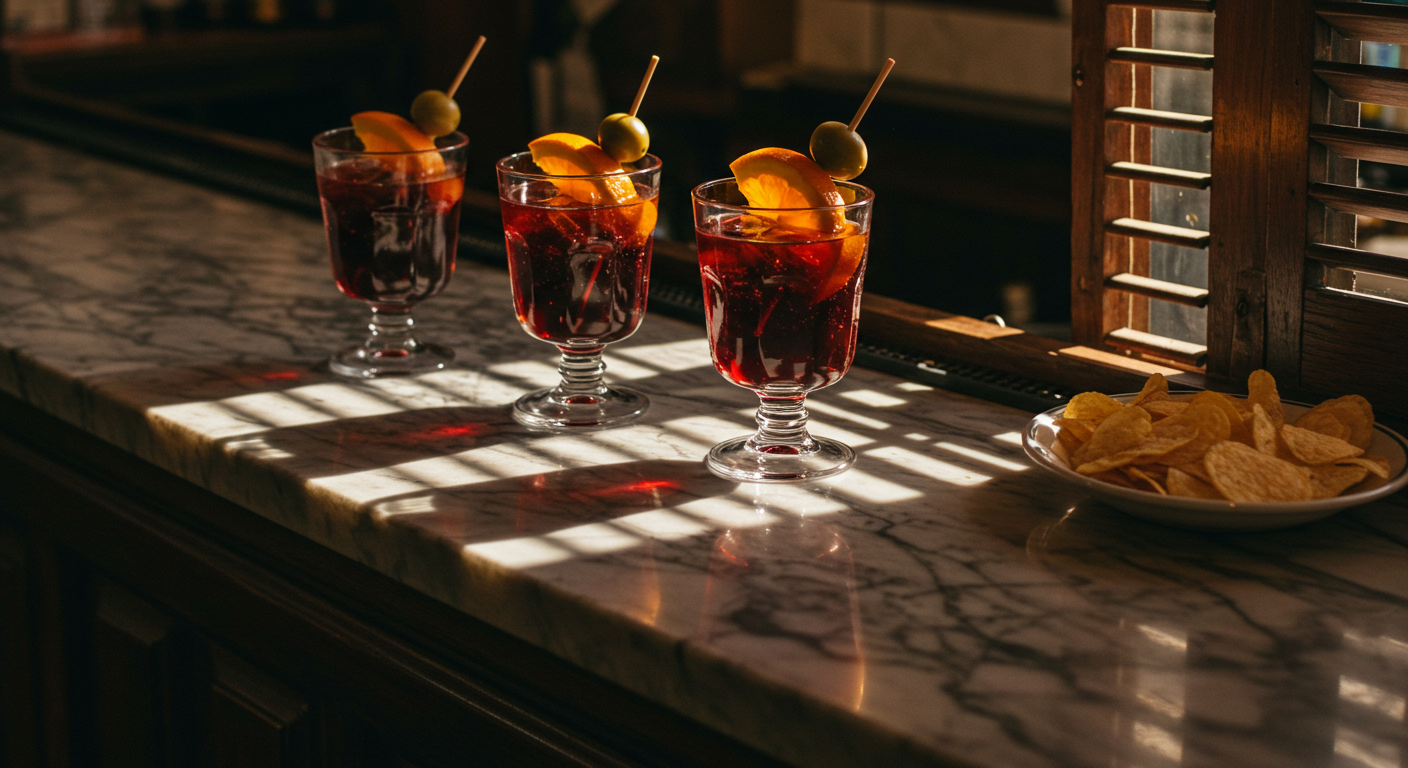
The best time to visit San Miguel is late morning on a weekday, around 11am, before the lunchtime crowd arrives. It gets genuinely uncomfortable at weekends between noon and 3pm. The vermouth stall near the centre does a decent vermut with olives; that's as close to a local ritual as you'll find here.
For actual ingredient shopping in Madrid, head instead to the Mercado de Antón Martín in Lavapiés (smaller, scruffier, completely real) or the Mercado de Maravillas in Cuatro Caminos, which is one of the largest working food markets in the city and almost entirely tourist-free. Maravillas is where you go when you actually live here.
Mercado Central de Valencia: The One That's Still Doing Its Job
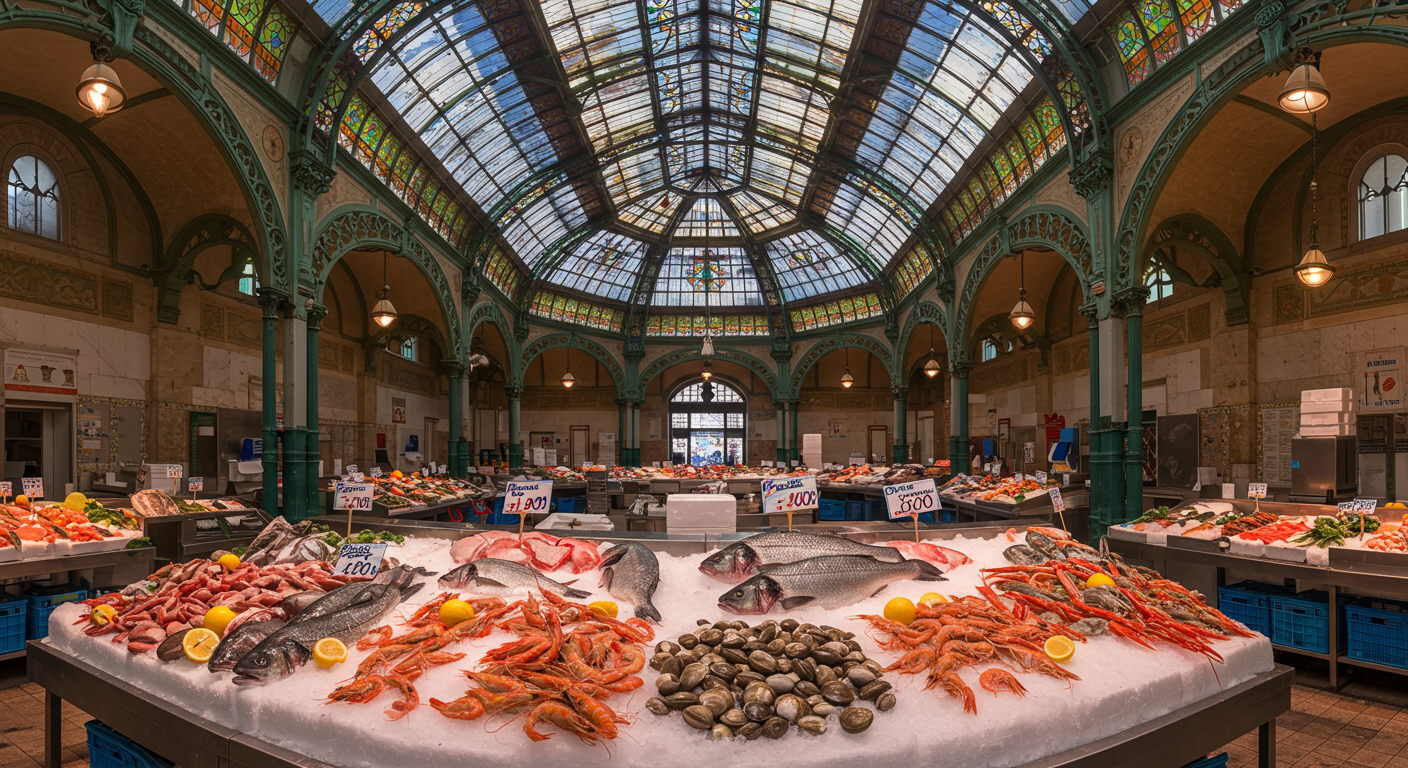
Valencia's Mercado Central is the one that genuinely functions as a food market first and a tourist attraction second — though it is increasingly both. The building alone is worth the trip: a 1928 modernista structure with stained glass, ceramic tiles, and an octagonal central dome that would be impressive even if it were empty. It isn't empty. On a Tuesday morning in February, it has the energy of a place where people actually need to buy things.
The market opens Monday to Saturday, roughly 7:30am to 3pm, though many stalls wind down by 2pm. Arrive between 8 and 10am for the full experience. The fish hall is exceptional — Valencia's proximity to the Mediterranean and the freshwater lagoons of the Albufera means you'll see species here that don't appear in markets further inland. Anguila (eel), mujol (grey mullet), sepia (cuttlefish), galeras (mantis shrimp). Prices are honest. A kilo of fresh clams runs around €4–6; a whole sea bass, depending on size, €8–15.
The vegetable section reflects the horta valenciana — the irrigated market gardens surrounding the city that have been producing since Moorish times. In autumn and winter, look for chufa (tiger nuts, used to make horchata), enormous flat garrofó beans essential to authentic paella valenciana, and half a dozen varieties of alcachofas (artichokes) you won't find elsewhere.
If you're living in Valencia — or considering it, perhaps comparing costs the way many arrivals do when they're working out what renting here actually involves — the Mercado Central is the kind of place that makes the city feel worth the effort of staying. Go weekly. Buy what looks best rather than what you planned to cook.
There is a small bar at the edge of the market, unremarkable-looking, that does a café con leche and a fartons (a soft, sweet finger pastry for dunking) for around €2. That's your breakfast.
How to Use Any Spanish Food Market Like a Local: The Practical Version
Across all three markets — and across Spanish markets generally — a few rules hold:
Time it right. Spanish markets are morning institutions. Most fresh produce stalls are done by 2pm; the best stuff goes earlier. Weekend mornings are the busiest. If you want to cook with what you buy, go on a weekday.
Don't buy from the stalls facing the main tourist entrance. Every market has them. They're priced for people who are passing through once. The better stalls are always further in.
Learn a few words. You don't need fluent Spanish to shop in a market, but ¿cuánto cuesta? (how much?), me pone... (I'll have...) and ¿está fresco? (is it fresh?) go a long way. Market vendors are generally patient with fumbling foreigners, especially if you're clearly trying.
Buy what's in season. Spanish market stalls don't really do the all-year-round thing that supermarkets do. If something looks particularly good and plentiful, that's because it's the season for it. Follow that instinct rather than a recipe.
Ask for quantity by weight or piece, not portion. Saying medio kilo de gambas, por favor is better than pointing and hoping. Most stalls have scales visible.
Don't expect to find everything in one place. Spanish markets tend to specialise by hall or section. Fish is separate from meat, which is separate from vegetables. Walk the whole thing before you start buying.
One thing that surprises people moving to Spain: the market isn't always cheaper than the supermarket for everything. Mercadona's fish counter, for instance, is decent and fairly priced. The market wins on freshness, variety, and the stuff that never makes it to supermarket shelves — unusual cuts, live shellfish, hyper-local produce. Shop accordingly.
If you're in the early stages of settling in Spain and still sorting the administrative side of things — registering at your local address, opening a bank account, getting your paperwork in order — finding your local market is one of the quickest ways to start feeling like you actually live somewhere rather than just staying there temporarily. It's a weekly ritual that costs you an hour and connects you to a neighbourhood faster than almost anything else.
The markets are also, not incidentally, one of the better arguments for living in Spain at all. The quality of what's available, the seasonality, the price of genuinely fresh fish on a Tuesday morning — it doesn't get old.
Frequently asked questions
- Is La Boqueria in Barcelona still worth visiting in 2026?
- Yes, but with realistic expectations. The front section near Las Ramblas is heavily touristic and overpriced. Go before 9am, head to the fish stalls and mushroom vendors at the back, and treat it as a proper market rather than a food hall. It's still one of the best fish markets in Barcelona if you use it right.
- What is the best time to visit Mercado Central de Valencia?
- Between 8am and 10am on a weekday. The market is open Monday to Saturday, roughly 7:30am to 3pm, but most stalls start winding down by 2pm and the freshest produce goes early. Tuesday to Thursday mornings tend to be quieter than Fridays or Saturdays.
- Can you buy ingredients for cooking at Mercado de San Miguel in Madrid?
- Not really — it functions more as a gourmet tapas and wine hall than a working food market. If you want to buy ingredients to cook at home in Madrid, try Mercado de Antón Martín in Lavapiés or Mercado de Maravillas in Cuatro Caminos instead. Both are functioning neighbourhood markets with honest prices.
- Are Spanish food markets cheaper than supermarkets?
- Not always, and not for everything. Markets win on freshness, unusual varieties, and produce that never reaches supermarket shelves — live shellfish, heritage vegetables, unusual cuts of meat. For everyday staples, a supermarket like Mercadona is often comparable or cheaper. Shop markets for quality and variety, not purely to save money.
- Do you need to speak Spanish to shop at a Spanish market?
- No, but a few phrases help enormously. '¿Cuánto cuesta?' (how much?), 'Me pone medio kilo de...' (I'll have half a kilo of...), and pointing confidently will get you through most transactions. Market vendors are generally good-humoured with foreign shoppers who are clearly making an effort.
- What's unique to Valencia's Mercado Central that you can't find elsewhere?
- The *horta valenciana* produce is the main draw — flat garrofó beans essential for authentic paella, tiger nuts (chufa) for horchata, and multiple varieties of artichokes and citrus. The fish hall also stocks species specific to the Mediterranean coast and the Albufera lagoon, including mantis shrimp (galeras) and freshwater eel (anguila).
- Are there good food markets in Spain beyond these three?
- Absolutely. Mercado de la Bretxa in San Sebastián is excellent for pintxos ingredients and Basque produce. Mercado de Triana in Seville is a working neighbourhood market with a great fish section. Mercado de Abastos in Santiago de Compostela is the best place in Galicia to buy percebes, octopus, and local cheeses. Every major Spanish city has at least one market worth knowing.