A Slow Weekend in Madrid: Neighbourhoods & Tabernas Like a Local
How to spend a long weekend in Madrid like a local — the right neighbourhoods, honest taberna picks, and a pace that skips the queues.
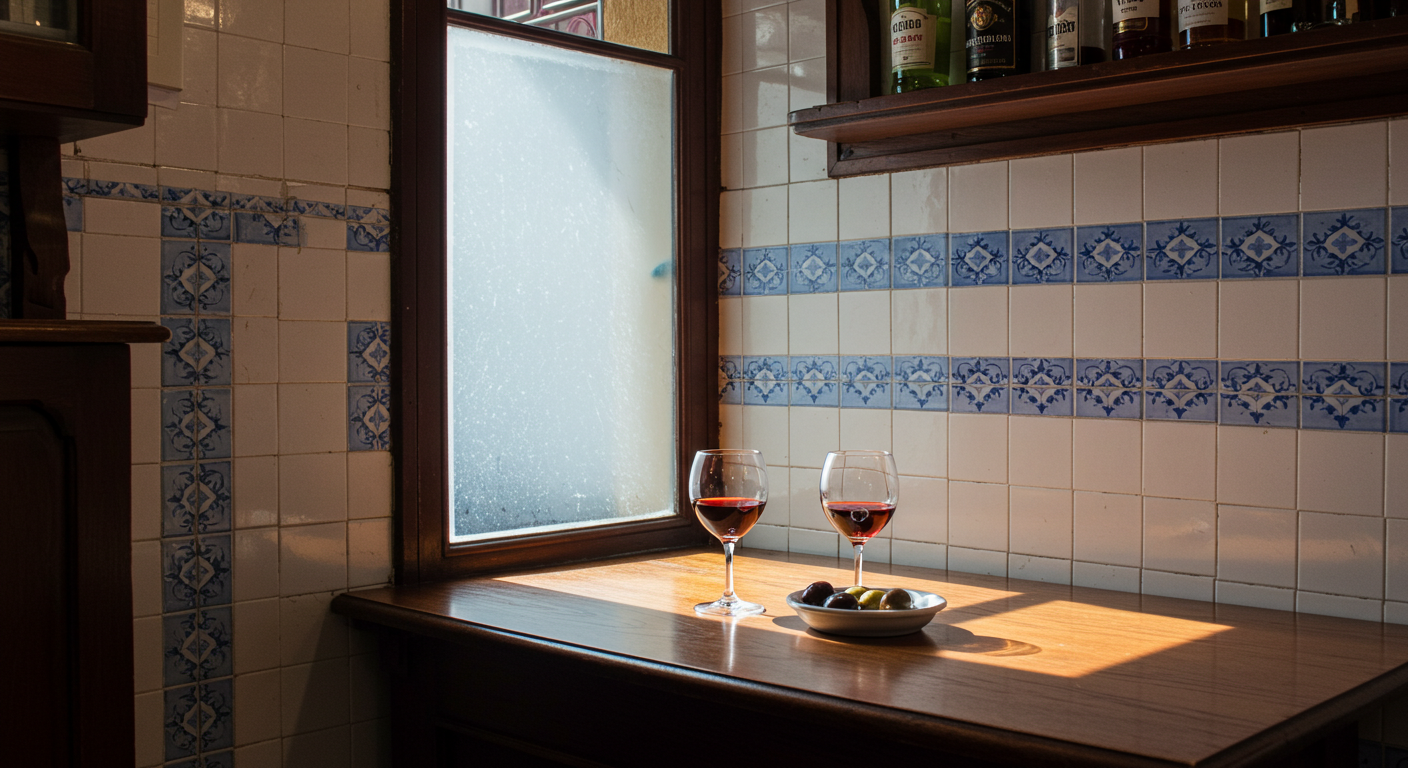
Three days in Madrid, done properly, will ruin every other city for you. Not because of the Prado or the Retiro — though both are worth your time — but because of what happens in between: the 10pm dinner that stretches to midnight, the vermouth at noon in a bar that hasn't changed its tiles since 1962, the afternoon that dissolves into a nap and resurfaces somewhere near the Plaza de Chueca.
If you're wondering how to spend a long weekend in Madrid like a local, the short answer is this: slow down, pick two or three neighbourhoods and actually stay in them, eat at hours that feel wrong to you, and resist the urge to tick off every monument. Madrid rewards loitering. It punishes the itinerary.
Why Madrid Works Best at a Crawl
Madrid is a 24-hour city in a way that Barcelona, for all its reputation, simply isn't. The madrileño concept of time is genuinely different. Lunch runs from 2pm to 4pm. Dinner rarely starts before 9pm, and at 11pm on a Tuesday, neighbourhood restaurants are still packed. This isn't performance — it's just how the city breathes. If you try to eat at 7pm, you'll be alone in a half-lit room with a waiter who can barely hide his sympathy.
The other thing to understand: Madrid's neighbourhoods are small and walkable, and each has a distinct personality. You don't need a taxi all weekend. You need comfortable shoes and a willingness to wander.
The Neighbourhoods Worth Your Time
Lavapiés: Lived-In and a Bit Rough Around the Edges
Lavapiés is the neighbourhood that people who've lived in Madrid for a year talk about with great affection, and people who've lived there for five years talk about with mild exhaustion. It's dense, multicultural, hilly in a way the rest of central Madrid isn't, and full of the kind of bars that don't have Instagram accounts.
The Mercado de San Fernando on Calle Embajadores is your morning anchor. Not the Mercado de San Miguel — that's a tourist market in the Sol area, and while it's photogenic, you'll pay €4 for a small tapa and feel vaguely cheated. San Fernando is where people actually shop. Grab a coffee at one of the stalls, pick up some cheese, watch the neighbourhood move.
For lunch in Lavapiés, Casa Amadeo Los Caracoles on Plaza de Cascorro has been serving snails and cheap wine since 1942. It's not a secret, but it's not a trap either — just a deeply functional Madrid taberna where the house red comes in a ceramic jug and nobody rushes you.
Malasaña: 80s Nostalgia That Never Quite Faded
Malasaña had its cultural moment in the late 1970s and early 80s — the Movida Madrileña, that explosion of post-Franco creativity — and it's been trading on that reputation ever since. The difference is that enough of the original texture survived to make it worth your time.
The streets around Plaza del Dos de Mayo are where you want to be. Bar La Vía Láctea on Calle Velarde is the classic Movida survivor — dark, loud, covered in film posters, open until 3am. Go for a drink after dinner, not before. For food, El Lacón on Calle Manuel Malasaña does Galician-style pulpo and empanadas that are better than most of what you'll find in the touristy spots near Gran Vía.
Honestly, avoid Gran Vía itself for eating. It's a beautiful boulevard and worth a walk, but the restaurants lining it are largely overpriced and mediocre. It's a shopping street, not a dining one.
Chueca: Lively Without Being Exhausting
Chueca is Madrid's LGBTQ+ neighbourhood, and it has the energy of a place that's been celebrating something for thirty years. It's also one of the most pleasant areas to simply exist in — good coffee shops, decent wine bars, and a grid of streets that's easy to navigate.
Bodega de la Ardosa on Calle Colón is the kind of place you go for a single vermouth and leave two hours later. Old wooden barrels, a barman who's been there since before you were born, and a tortilla that people genuinely argue about. Order the tortilla. It's not the crispiest or the most elaborate — it's just the right amount of potato, barely set in the middle, the way it should be.
For coffee, Federal Café on Plaza de las Comendadoras (technically on the Malasaña border) does proper flat whites if you need them, alongside Spanish-style desayunos. It's Australian-influenced, which in Madrid means it's one of the few places that understands coffee as something other than a tiny espresso.
La Latina: Sundays and Sundays Only
La Latina is worth visiting any day of the week, but on Sunday it becomes something else entirely. El Rastro flea market takes over the streets from Plaza de Cascorro down Calle Ribera de Curtidores — it's chaotic, loud, and full of both genuine finds and absolute junk. Go before noon if you want to browse properly; go after noon if you want to watch Madrid socialize.
After El Rastro, the tradition is to walk up to Calle Cava Baja and do the taberna crawl. Taberna Txakolina at number 26 does Basque pintxos and pours cold txakoli; Casa Lucas at number 30 has natural wines and small plates that are genuinely good rather than just fashionable. The entire street is essentially one long Sunday lunch. Lean into it.
How to Structure Three Days
The mistake most visitors make is trying to see too much. Madrid isn't a city that reveals itself through monuments — it reveals itself through repetition. Going back to the same bar twice matters more than visiting a new one each time.
Day one should be slow. Arrive, walk to your neighbourhood, find a café, sit in it for an hour. Don't visit anything. Get your bearings. Eat a late lunch somewhere with a handwritten menu. Sleep. Go out for dinner at 9:30pm.
Day two is for the Prado. Go when it opens at 10am — the crowds are thinner, and you can actually stand in front of Velázquez's Las Meninas without someone's phone in your peripheral vision. Spend two hours maximum; the Prado is best experienced in focused doses rather than the full exhausted sweep. Afternoon: Retiro park, a walk, the Palacio de Cristal. Evening: Lavapiés or La Latina.
Day three is El Rastro and La Latina, then Malasaña in the afternoon, then wherever the evening takes you.
The Food and Drink Specifics
Madrid's food culture is Castilian at its core — hearty, meat-heavy, bread-forward — but the city has absorbed enough of everywhere else that you can eat brilliantly across any register.
Cocido madrileño is the dish to try at least once: a slow-cooked chickpea stew with multiple meats, served in stages, usually only at lunch. La Bola on Calle de la Bola has been doing it since 1870 and cooks it in individual clay pots over charcoal. Book ahead; they don't have many tables.
For a quick standing lunch, any bar with a handwritten pizarra (blackboard) menu del día is your friend. Two or three courses, bread, wine or water, €12–€15 as of 2026 in most central neighbourhoods — though you'll pay €18–€22 in the more polished spots around Salamanca.
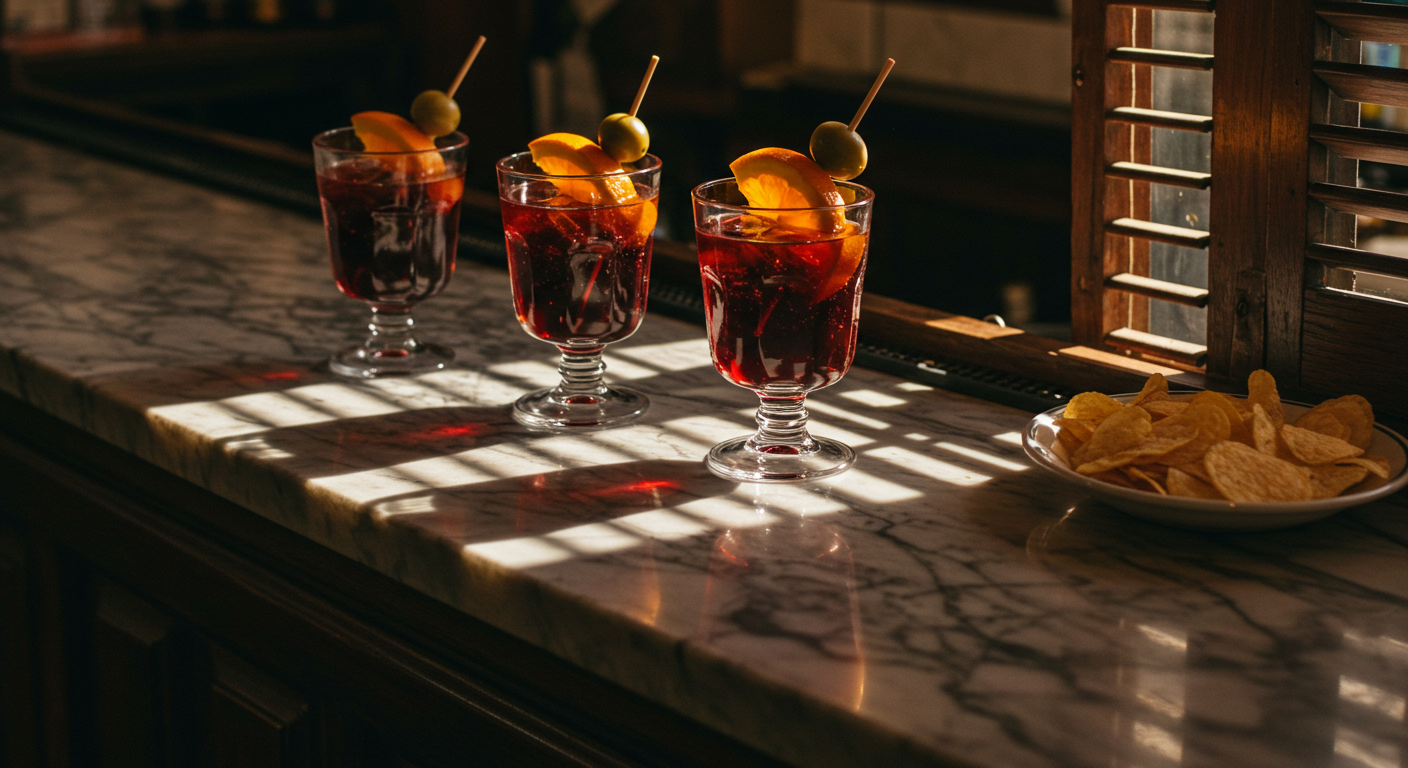
Vermouth hour (la hora del vermut) runs roughly noon to 2pm and is one of Madrid's great unsung rituals. Order vermut de grifo (draught vermouth) with a few olives or chips, pay €2.50–€3.50, and watch the city shake off the morning.
Practical Notes That Actually Matter
Getting around: the metro is excellent and a single journey costs €1.50–€2 (as of 2026, though check the current tariff — it's been politically contested). For a long weekend, a ten-journey T10-style card saves you money, though the system has evolved; check the CRTM website before you travel. Mostly, though, you won't need it. Central Madrid is extremely walkable if you're staying in the right place.
Where to stay: Malasaña, Chueca, or Lavapiés for character; Salamanca if you want quiet money and broader pavements. Avoid the Sol-Gran Vía corridor unless the price is genuinely exceptional — the noise is relentless and the neighbourhood has little soul at street level.
If you're considering a longer stay — working remotely or thinking about relocating — Madrid's bureaucracy has its own pace. Getting your NIE, finding a flat without a local payslip, sorting healthcare before your paperwork arrives: all of it is doable, but slower than you'd expect. A few articles worth reading before you commit: Renting in Spain Without a Spanish Payslip: How Foreigners Do It is a useful starting point for the flat hunt, and Healthcare in Spain Before Your TIE Arrives: What Cover Do You Actually Have? covers a gap that catches a lot of newcomers off guard. If you're thinking about working remotely here officially, Spanish Digital Nomad Visa on Minimum Salary: Is It Worth It? is worth a read before you get too far into the planning.
For banking as a non-resident visitor turned longer-term stayer, Open a Spanish Bank Account as a Non-Resident in 2026 covers the current options without the usual vagueness.
A Note on Pace
Madrid will try to keep you up until 4am. You don't have to oblige every night. The best version of a long weekend here isn't the one where you did everything — it's the one where you found your bar, your market stall, your corner of the Retiro, and returned to them. The city is large enough to feel inexhaustible and small enough, in its neighbourhoods, to feel like yours.
One last thing: if someone tells you the best tortilla in Madrid is at Mercado de San Miguel, they've been in the city for less than a week. The best tortilla is at Bodega de la Ardosa, and the queue to prove it forms before noon on Saturdays.
Frequently asked questions
- How many days do you need in Madrid to see it properly?
- Three full days is enough to get a real feel for the city if you focus on two or three neighbourhoods rather than trying to cover everything. A long weekend — arriving Friday evening, leaving Monday morning — is the sweet spot. Any less and you're just skimming.
- What time do people actually eat dinner in Madrid?
- Locals typically eat dinner between 9pm and 11pm. Restaurants open around 8:30pm but are often quiet until 9:30pm. Eating at 7pm is fine if you want an empty restaurant and slightly puzzled service — it's not wrong, just conspicuously early.
- Which Madrid neighbourhood is best for a first-time visitor?
- Malasaña or Chueca for a first visit — both are central, walkable, full of good bars and restaurants, and give you a more authentic feel than staying near Sol or Gran Vía. Lavapiés is more interesting but slightly more chaotic and further from the main museums.
- Is Madrid expensive compared to other Spanish cities?
- Madrid is more expensive than Valencia or Seville but broadly comparable to Barcelona, and cheaper than London or Paris. A menú del día lunch runs €12–€18 in 2026 depending on the area. A glass of house wine in a taberna is €2–€3.50. Budget accommodation in good neighbourhoods starts around €70–€90 per night for a decent hotel.
- What is El Rastro and is it worth visiting?
- El Rastro is Madrid's Sunday flea market, running through La Latina from around 9am to 3pm. It's worth it for the atmosphere and the surrounding taberna culture as much as for the market itself. Pickpocketing is common — use a front-facing bag and don't keep your phone in a back pocket.
- Can you visit Madrid in August or is it too hot?
- August in Madrid is genuinely hot — temperatures regularly hit 38–40°C — and many locals leave the city, which means some smaller neighbourhood restaurants and bars close for the month. The upside is that the Prado and other museums are less crowded. Go early in the morning, rest through the afternoon, and come alive again after 7pm. It's manageable, but July or September is easier.
- What's the best way to get from Madrid airport to the city centre?
- The Metro Line 8 runs directly from both T1-T2-T3 and T4 terminals to Nuevos Ministerios, where you can connect to Lines 6 and 10. Journey time is around 25–30 minutes; there's a €3 airport supplement on top of the standard fare. The Cercanías (suburban rail) C1 line also connects T4 to Atocha and Chamartín. Taxis are metered with a flat rate of €33 from any terminal to central Madrid as of 2026.