Madrid to Seville by Train: AVE Times, Tickets & Tips
Madrid to Seville by AVE takes around 2h 30min. Here's exactly how to book, what to pay, and the real details nobody puts in the brochure.
Madrid to Seville by Train: AVE Times, Tickets & What Nobody Tells You
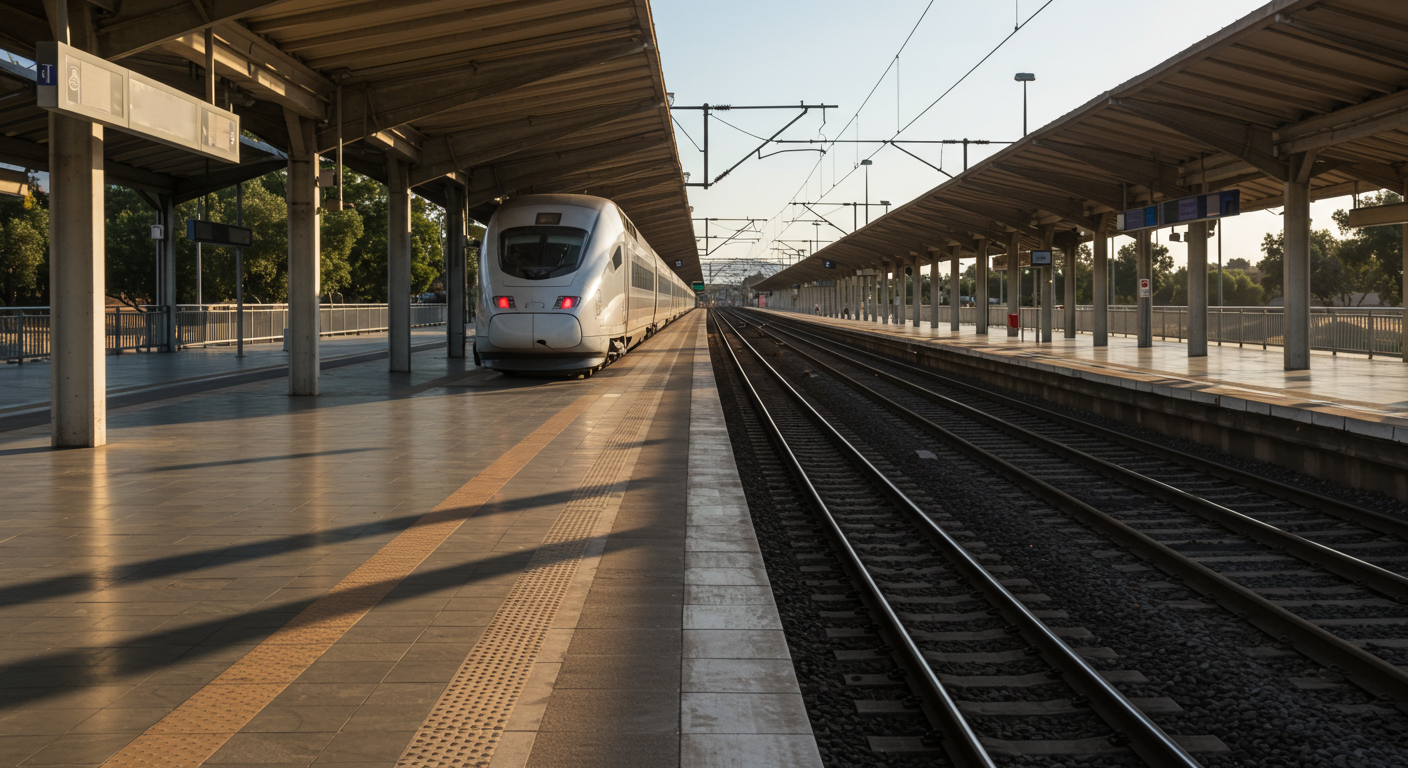
The AVE from Madrid to Seville takes roughly 2 hours 30 minutes — sometimes as little as 2h 20min on the fastest services — and runs multiple times a day from Puerta de Atocha. It's one of the great train journeys in Europe, not because the scenery is spectacular (it mostly isn't: La Mancha flatland for the first hour, then a bit of Sierra Morena drama near the end), but because it's so fast, so civilised, and so much more sensible than flying. Ticket prices vary wildly depending on how far in advance you book and which fare class you pick — anywhere from €14 on a deep-discount Básico to over €100 for a last-minute Preferente seat. The sweet spot for most travellers is €30–€60 return if you plan two to three weeks ahead.
This isn't a route that requires much anxiety. But there are enough small decisions — which station, which operator, which fare type, whether to book on Renfe or a third-party site — that it's worth going through them properly.
Which Station in Madrid?
Almost all AVE services to Seville depart from Madrid Puerta de Atocha (officially Atocha-Almudena Grandes since a 2021 renaming, though everyone still says Atocha). A small number of services also call at Madrid Chamartín, particularly those that continue north after Seville, but if you're coming from the city centre, Atocha is your station. It's on metro lines 1 (Atocha Renfe stop) and close to the Cercanías hub, so getting there from anywhere in Madrid is straightforward.
In Seville, you arrive at Santa Justa, which is a perfectly decent station about a 15-minute walk or a short taxi ride from the historic centre. There's a regular city bus (line 32 as of 2026) and taxis are metered and rarely expensive — expect €8–€12 to the cathedral area.
How Long Does the Journey Actually Take?
The scheduled journey time on the fastest AVE services is around 2 hours 20 to 2 hours 30 minutes. Some services make an intermediate stop at Córdoba (adding roughly 10 minutes), and occasionally Ciudad Real or Puertollano too — check your specific train. If you're in a hurry, book a non-stop or Córdoba-only service. The trains that stop at Ciudad Real and Puertollano can push the journey past 2h 45min.
Punctuality on this route is generally excellent. Spain's high-speed network has a strong on-time record — Renfe's own figures hover around 95% punctuality on AVE routes, though you should verify current stats on their site. I've done this journey more times than I can count and been seriously delayed twice in five years. Once was a track issue near Córdoba, once was a strike. Both times Renfe offered a refund or rebooking, which is the legal minimum but at least they do it.
Who Operates the Route?
For years it was Renfe alone. Since 2022, Ouigo and Iryo have entered the Spanish high-speed market, and both now run Madrid–Seville services. This is genuinely good news for passengers.
Renfe remains the main operator with the most departures — roughly 10–14 trains per day in each direction depending on the season. Their AVE product is split into fare classes: Básico (cheapest, no changes or refunds), Elige (some flexibility), and Preferente (business-class-ish, with a meal included on some services). Book at renfe.com.
Ouigo is the low-cost option. Fares start from €9 on early-bird sales, more realistically €15–€30 for most journeys. The catch: their cheapest fares come with virtually no flexibility, luggage allowances are strict (one small cabin bag free; larger bags cost extra), and their app is clunkier than Renfe's. But for a simple one-way trip with just a backpack, they're hard to beat. Book at ouigo.com/es.
Iryo sits somewhere between the two — slightly more premium than Ouigo, slightly cheaper than Renfe's base fares, with a nicer interior design and a reasonable loyalty programme. Worth checking at iryo.eu.
My honest take: for a day trip or a single bag journey, try Ouigo first. For anything where you might need to change plans, or if you're travelling with luggage, pay the small premium for Renfe's Elige fare.
How to Book Madrid to Seville AVE Tickets
Book directly. I know people use Trainline and Omio and they do work, but they add a booking fee (typically €1.50–€5 per ticket as of 2026) and occasionally show you fewer options than the operator's own site. Renfe's website has improved significantly over the past two years — it's no longer the nightmare it once was, though it can still be sluggish in peak booking windows.
A few practical points:
- Tickets open for sale roughly 60 days before departure on Renfe. Ouigo often releases inventory further in advance.
- The cheapest fares go fast on popular travel dates (Friday evenings, Sunday afternoons, the weeks around Semana Santa and August). Book early or accept paying more.
- You can pick up tickets at the station's self-service machines with your booking reference and the card you paid with. No need to print anything.
- The Renfe app works well enough for downloading your ticket to your phone. Screenshot it before you enter the station — station Wi-Fi can be patchy at the gates.
What the Journey Is Actually Like
You board at Atocha, find your numbered seat, and for the first 45 minutes or so you're watching the southern suburbs of Madrid give way to the flat Castilian meseta. La Mancha. It's not the Pyrenees. Some people find it dull; I find it quietly compelling in a way I can't entirely justify. There are windmills if you're near Ciudad Real.
Then the train picks up through the Despeñaperros pass — a narrow gorge cutting through the Sierra Morena — which is the one genuinely dramatic moment of the route. Shortly after, you're in Andalusia. The light changes. The landscape gets more golden. Olive groves everywhere. Then Córdoba (if you stop), then the flat Guadalquivir valley, then Santa Justa.
On-board, the seats are comfortable and spacious even in Turista class. There's a café car. Wi-Fi is available but I wouldn't rely on it for video calls — it cuts in and out. Power sockets at every seat on Renfe AVE (check Ouigo's specific train, as it varies by fleet).
Luggage and Practicalities
Renfe doesn't charge for luggage in any meaningful way — there's no formal checked baggage system on domestic AVE, just overhead racks and end-of-carriage space. Ouigo does have a strict paid luggage policy for bags over a certain size, so read their T&Cs before you turn up with a 20kg suitcase and a surprised face.
The station at Atocha has left-luggage lockers (consigna) near the main hall — useful if you're arriving in Madrid that morning and don't want to drag bags across the city before your train. Expect to pay around €3–€6 for a few hours, depending on locker size.
Is It Worth the Train Over Flying?
Yes, almost always. Door-to-door from central Madrid to central Seville, the train is competitive with flying even before you factor in the city-to-city airport transfer time. Barajas is 30–40 minutes from central Madrid; San Pablo airport is 15 minutes from Seville's centre, but you still need check-in time. For flights, budget at least 2.5 hours at the airport before departure plus transfer time. The AVE you can rock up to 15 minutes before.
Flying also generates roughly four times the CO₂ per passenger on this route. Not moralising — just a fact worth having.
The only time flying wins is when you find a sub-€20 one-way fare on Vueling or Iberia Express and you have no luggage whatsoever. Which does happen. But then factor in the airport transfers and you're probably still only saving 30–40 minutes.
Combining with Other Travel
If you're planning to be in Seville for more than a day or two, Seville itself is very walkable and the tram and metro cover the areas where walking isn't practical. There's no need to hire a car in Seville city.
For day trips from Seville, Córdoba is 45 minutes by AVE (worth booking separately; don't assume your Madrid ticket covers a stop). Cádiz is about 1h 40min by regional train from Seville's Santa Justa — the Media Distancia service, much cheaper, no reservation required. Granada is a bit of a faff by public transport from Seville (the direct train was suspended years ago and hasn't returned as of 2026); the bus from Seville's Prado de San Sebastián bus station is actually faster and more convenient.
If you're relocating to Seville rather than just visiting, a lot of the administrative groundwork — bank accounts, registration, NIE — can be started before you arrive. The Spanish Digital Nomad Visa minimum salary question is one worth sorting out early if you're working remotely, and once you're settled, getting empadronamiento sorted without a rental contract is a common first hurdle for new arrivals in the city.
A Note on Booking in Advance vs. Flexibility
The Básico/Promo fares on Renfe and Ouigo's cheapest tiers are non-refundable and non-changeable. If you're the sort of person who changes plans, pay the extra €5–€15 for a flexible fare. On a €40 ticket, the peace of mind is worth it. I've been burned by Básico fares exactly once — a family thing came up, I had to cancel, lost the whole ticket — and I've bought Elige ever since.
The Madrid to Seville AVE is one of the few transport experiences in Spain that genuinely works the way it's supposed to. Book ahead, travel light, and you'll arrive in Seville less stressed than anyone who flew.
Frequently asked questions
- How long does the AVE from Madrid to Seville take?
- The fastest Madrid to Seville AVE services take around 2 hours 20 minutes. Most trains take 2 hours 30 minutes. Services that stop at Ciudad Real, Puertollano and Córdoba can take up to 2 hours 45 minutes or slightly more. Check the specific departure when booking.
- How much does a Madrid to Seville train ticket cost?
- Prices range from around €9–€14 on deep-discount Ouigo or Renfe Básico fares booked well in advance, to €60–€100+ for flexible or Preferente fares bought close to departure. A realistic budget for a return trip booked 2–3 weeks ahead is €40–€80 on Renfe, or €25–€50 on Ouigo.
- Is it better to take Renfe, Ouigo or Iryo from Madrid to Seville?
- For budget travellers with just a small bag and fixed plans, Ouigo is often cheapest. For flexibility and more departure times, Renfe is better. Iryo is a reasonable middle ground. All three use modern high-speed trains and the journey time is similar across operators.
- Which stations do the Madrid to Seville AVE trains use?
- In Madrid, almost all services depart from Puerta de Atocha (Atocha-Almudena Grandes). Some also call at Chamartín. In Seville, all trains arrive at Santa Justa station, about 15 minutes from the historic centre by taxi or bus.
- Do I need to book in advance for the Madrid to Seville AVE?
- You don't have to, but you should. Cheap fares sell out quickly, especially on Friday evenings, Sunday afternoons, and around Spanish public holidays. Tickets become available roughly 60 days ahead on Renfe. Turning up on the day is possible but you'll pay significantly more.
- Can I stop in Córdoba on the way from Madrid to Seville?
- Yes, but your Madrid–Seville ticket doesn't automatically allow you to break the journey. You'd need to buy a separate Madrid–Córdoba ticket and then a Córdoba–Seville ticket. Córdoba is worth a day trip in its own right — the Mezquita alone justifies the detour.
- Is the train from Madrid to Seville faster than flying?
- Door-to-door, the AVE is almost always competitive with flying and often faster when you factor in airport check-in time and the transfers between airports and city centres. Flying only makes practical sense if you find a very cheap fare and are travelling with no checked luggage.