Best Neighbourhoods to Stay in Málaga: Hotels & Areas Ranked
Where to stay in Málaga city centre: honest rankings of the best neighbourhoods, standout hotels, and what to skip. Updated for 2026.
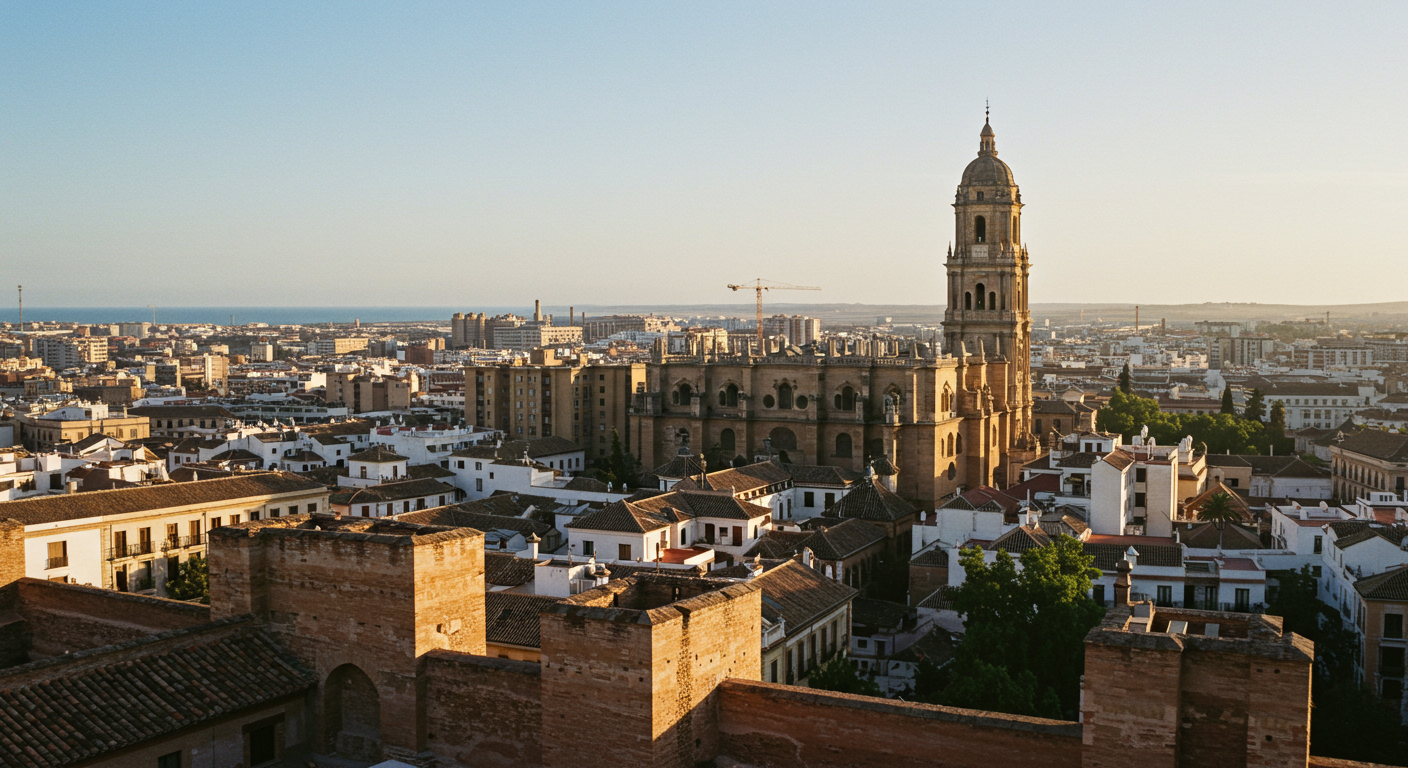
Málaga gets underestimated. Most visitors fly in, transfer to the Costa del Sol resorts, and never give the city itself more than an afternoon. That's a mistake. Spend two nights in the right neighbourhood and you'll find one of Spain's most liveable, walkable, genuinely enjoyable cities — with a food scene that has quietly become serious, a compact old town that doesn't feel overrun, and a seafront that actually belongs to the locals.
If you're trying to figure out the best neighbourhoods to stay in Málaga city centre, the short answer is: El Centro and Soho are your best bets for most visitors, with Pedregalejo worth considering if you're staying longer and want a beach-village feel without leaving the city. The historic centre puts you within walking distance of almost everything; Soho gives you the same access with slightly lower prices and a cooler, less tourist-heavy atmosphere. Everything else — the airport corridor, the resort strip toward Torremolinos — you can mostly ignore.
El Centro: The Obvious Choice, and It's Obvious for Good Reason
The old town radiates out from the Cathedral and the Alcazaba. Stay here and you're ten minutes on foot from the Picasso Museum, the Mercado Central de Atarazanas (don't miss it on a weekday morning), and the main tapas corridor along Calle Marqués de Larios and the streets behind it. Yes, parts of it are touristy. Calle Larios itself is a pedestrian high street that could be anywhere in Europe on a bad day. But go one or two streets back — Calle Granada, Calle Sta María, the area around Plaza de la Merced — and you're eating with malagueños.
For hotels in El Centro, the standout is Vincci Selección Posada del Patio (Calle Císter, doubles from around €120–170 in shoulder season as of 2026). It's built around a genuine Roman ruin in the courtyard, which sounds gimmicky but is actually extraordinary. The rooms are calm and comfortable, service is professional without being stiff. Book directly — the price difference over OTAs can be €15–20 a night.
A step down in price but strong in character: Hotel del Pintor on Calle Álamos. Smaller, no frills, but the location on a quiet street off Plaza de la Merced is excellent and doubles run €70–95 in mid-season. It fills up fast in summer, so book early.
Skip the big international chain hotels on the Alameda Principal. They're fine but soulless, and they price as if the location is more premium than it is.
The noise question
El Centro is loud on weekends. Calle Granada and the streets around Plaza de la Merced don't go quiet until 3am on Fridays and Saturdays. Ask specifically for an interior room (habitación interior) or a room on an upper floor facing a courtyard. This is worth asking directly, even if your booking says 'quiet room' — that means very different things in Spanish hotels.
Soho: The Better Value Bet
Soho sits just south of El Centro, across Alameda Principal toward the port. It was rebranded as an arts district about a decade ago — there are murals, independent galleries, a handful of good restaurants — and while 'arts district' is doing some heavy lifting, it is genuinely more relaxed than the historic centre and noticeably less expensive.
For accommodation, Room Mate Valeria is the most polished option here. Rooftop pool, decent breakfast, well-designed rooms, and doubles that come in €10–30 cheaper than equivalent Centro options. The neighbourhood around it — Calle Tomás Heredia, the streets down toward the Muelle Uno — is pleasant for an evening walk.
Soho is also where you'll find a higher concentration of digital nomads and longer-stay visitors. If you're in Málaga for a week or more and thinking about whether to formalise your stay — getting registered, sorting banking — it's worth knowing that the bureaucratic side of things has its own learning curve. Renting in Spain without a Spanish payslip is one of those hurdles that catches people off guard, and Málaga's rental market has tightened considerably since 2023.
La Malagueta and El Molinillo: The Seafront Option
La Malagueta is the main city beach, a short walk east of the port. The neighbourhood immediately behind it — and the adjacent El Molinillo — is quieter than the centre, genuinely residential, and has some excellent small restaurants that the tourist guides haven't fully caught up with yet. Lunch at any of the chiringuitos on the beach itself is fine; for dinner, head one block inland.
The problem with staying here is the hotel stock. There's no great mid-range hotel in La Malagueta right now. The options are either overpriced seafront places that aren't worth it, or Airbnbs and short-term rentals. If you're comfortable with that format, a well-chosen apartment here can be the best way to stay in Málaga — especially for families or anyone spending more than four or five nights.
Pedregalejo: For a Longer Stay
About 4km east of the centre by bus (line 11 from Paseo del Parque, frequent, under €2), Pedregalejo is a former fishing village that was absorbed into the city decades ago but has retained a distinct character. The chiringuitos along its promenade are the genuine article — fish, espeto (sardines on a cane skewer over an open fire), cold beer, plastic chairs — and the neighbourhood is almost entirely local in feel.
There are almost no hotels here, which is partly the point. If you're relocating to Málaga or spending a month exploring whether it suits you — and a growing number of remote workers are doing exactly that — renting an apartment in Pedregalejo is worth considering seriously. It's calmer, cheaper per square metre than the centre, and the quality of life on a quiet Tuesday is excellent. The trade-off is the commute into the centre, which is easy enough by bus but adds up if you're doing it twice a day.
For those thinking seriously about longer stays: getting your paperwork in order early matters. The empadronamiento process without a rental contract is one of the first things to figure out if you're not in a standard tenancy situation, and Málaga's Ayuntamiento is more straightforward about this than some other cities.
What to Skip
The airport area hotels — Aeropuerto and Churriana — make sense only if you have a very early flight or a very late arrival and nothing else. They're not Málaga in any meaningful sense.
Torremolinos and Benalmádena, which are technically separate municipalities but get bundled into 'Málaga' by some booking sites. If you want a beach resort, fine, but don't confuse them with staying in the city.
The 'boutique' hotels on Calle San Agustín — there are two or three that charge €200+ a night on the back of a nice Instagram presence and deliver fairly ordinary rooms with thin walls. Read recent reviews carefully.
Practical Notes on Pricing and Booking
Málaga's hotel prices swing dramatically by season. Shoulder season (March–May, October–November) offers the best combination of weather and value — you'll pay roughly 30–40% less than peak summer for the same room. July and August in the city centre are hot (regularly 35°C+), crowded, and expensive. September is often the sweet spot: crowds thin out after the 20th, temperatures drop to the low 30s, and the sea is still warm.
For booking, Booking.com and the hotel's own site are usually the two options worth comparing. Booking direct often comes with free cancellation when the OTA version doesn't, and occasionally a room upgrade. Worth a five-minute phone call or email to ask.
If you're arriving as a new resident or planning to stay long enough that you need to sort finances, getting a local bank account sorted early makes life considerably easier. The process of opening a Spanish bank account as a non-resident is more straightforward than it used to be, and several banks in Málaga's centre have English-speaking staff.
For digital nomads specifically — and Málaga has become one of the more popular cities for this — the Spanish Digital Nomad Visa minimum salary requirements are worth checking before you commit to anything long-term. The visa opened up genuine legal pathways that didn't exist a few years ago.
The Neighbourhood Summary
To put it plainly: El Centro for a short trip (2–4 nights), Soho for slightly longer or tighter budgets, Pedregalejo for a month or more. La Malagueta works well if you can find a good apartment rental. None of this is complicated — Málaga is small enough that you can walk from Soho to the Alcazaba in twenty minutes — but getting the base right makes everything else easier.
One last thing: don't skip breakfast. The malagueña tradition of a café con leche and a pitufo (a small bread roll, often with olive oil and crushed tomato) at a local bar costs about €2.50 and is considerably better than whatever your hotel is charging €18 for upstairs.
Frequently asked questions
- Which neighbourhood in Málaga city centre is best for first-time visitors?
- El Centro — the historic old town around the Cathedral and Alcazaba — is the best base for a first visit. You can walk to the main sights, the Atarazanas market, and a wide range of restaurants. It's livelier (and noisier) at weekends, so ask for an interior room if you're a light sleeper.
- Is Soho in Málaga safe to stay in?
- Yes, Soho is perfectly safe. It's a central, walkable neighbourhood south of Alameda Principal, close to the port. It has a slightly grittier edge than the historic centre but nothing that should concern visitors. As of 2026 it's increasingly popular with longer-stay visitors and remote workers.
- How far is Pedregalejo from Málaga city centre?
- About 4km east of the centre — roughly 15–20 minutes on bus line 11 from Paseo del Parque. It's well connected and inexpensive to reach, but not walkable for most people on a daily basis.
- What is the best time of year to visit Málaga city?
- March to May and October to November are the sweet spots: good weather (18–26°C), lower prices, and far fewer crowds. Late September is also excellent. July and August are hot, expensive, and busy — not unbearable, but not ideal either.
- Are there good hotels in Málaga for digital nomads or longer stays?
- Soho and El Centro both have aparthotels and short-term rentals that work well for stays of one to four weeks. For anything longer, a private rental in Soho, El Molinillo, or Pedregalejo will give you more space and a lower daily cost. Check Idealista and Fotocasa for mid-term furnished rentals.
- How much does a mid-range hotel in Málaga city centre cost in 2026?
- In shoulder season (March–May, October), expect to pay €80–140 per night for a comfortable double in a well-located hotel in El Centro or Soho. Summer (July–August) prices can reach €160–220 for the same rooms. Booking directly with the hotel often saves €15–25 over OTA prices.
- Do I need a car to stay in Málaga city centre?
- No — and a car is actively a nuisance in El Centro and Soho. The historic centre is largely pedestrianised, parking is expensive and scarce, and the city bus network covers everything else. If you're planning day trips to the rest of Andalusia, car hire for specific days is easy to arrange from the city or the airport.